
What is the difference between dry pasta and fresh pasta?
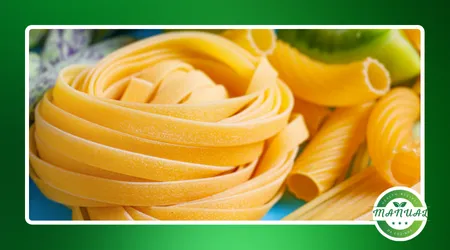
Explore the difference between dry pasta and fresh pasta is to embark on a fascinating journey through the history and flavor of Italian cuisine.
Adverts
Seemingly simple, this distinction shapes the texture, preparation time, and final experience of a dish. Choosing between one or the other is an act of intention, defining the character of the meal.
The Genesis of Pasta: Tradition Versus Practicality
Fresh pasta, made with flour and eggs, represents the essence of tradition. It's the result of an artisanal technique often passed down through generations.
Every fold and every cut tells a story of care and love. On the other hand, dry pasta arises from the need for preservation.
Mass-produced with semolina flour and water, it democratized pasta worldwide. This dichotomy of origins already suggests distinct culinary approaches.
Adverts
The role of hydration in dough
The main factor that separates the two is moisture. Fresh pasta, with its high hydration rate, has a soft, porous texture.
It absorbs sauces easily, creating a perfect blend of flavors. Dry pasta, on the other hand, is almost completely dehydrated.
Read more: Conchiglione stuffed with chicken and cheese sauce
Its dense structure requires time to rehydrate and expand during cooking. This characteristic directly impacts how it interacts with side dishes.
The flavor and texture on the plate
The texture of the pasta is crucial to the taste experience. Fresh pasta offers a soft chew, with a velvety mouthfeel.
Its delicate texture calls for light sauces, such as butter and sage, or a simple fresh tomato sauce. In contrast, dry pasta provides a firmer bite.
Its resistance, the famous "al dente," is ideal for thicker, chunkier sauces. A Bolognese sauce, for example, benefits from the robust consistency of penne or dried fusilli.
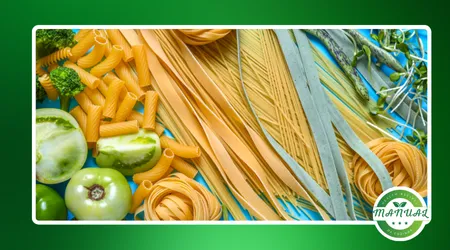
The secret to cooking success
Cooking time is one of the most notable aspects of difference between dry pasta and fresh pastaFresh pasta cooks quickly, often in just a few minutes.
Its speed requires the cook's full attention to avoid overcooking. Dry pasta, on the other hand, requires more time in boiling water.
Its meticulous preparation allows each strand to achieve the ideal consistency. Temperature and time control are crucial for both versions.
Exploring Versatility: Sauces and Formats
Versatility is a hallmark of both pastas. Fresh pasta adapts to delicate shapes, such as ravioli and tortellini, which hold succulent fillings.
Cream-based sauces, cheeses, and vegetables are perfect for enhancing its tenderness. Dried pasta shines in both long and short formats, from spaghetti to rigatoni.
Its rough surface adheres to thick sauces, ensuring even flavor distribution.
++ How to make crispy homemade pizza dough
Sensory Analysis: The Experience of Tasting
Fresh, handmade pasta is like an oil painting. Its simple ingredients create a work of art with rich nuances and textures.
Industrialized dry pasta can be compared to a digital photograph. It's precise and consistent, ready to support infinite flavors.
The beauty of both lies in their ability to tell unique culinary stories.
++ Vegetarian lasagna recipe with eggplant and zucchini
Economy and convenience: The practical side
A difference between dry pasta and fresh pasta It's also perceived in its practicality. Dry pasta is affordable and has a long shelf life, making it a staple in any pantry.
Fresh pasta, on the other hand, requires more immediate consumption, ideal for special occasions. Convenience is a determining factor when choosing it for your daily routine.
++ Fresh pasta and dry pasta: What's the difference?
The Science Behind Pasta: Nutrition and Digestion
Nutritionally, dry durum wheat semolina pasta is rich in complex carbohydrates, providing slow-release energy.
Fresh pasta, because it's made with eggs, contains additional protein and fat. Both are important sources of energy.
According to a study published in 2023 by the magazine “Foods”, pasta made with durum wheat flour and water has a lower glycemic index than fresh pasta, which contributes to a more controlled release of energy.
Culinary aspects and the chef's touch
An experienced chef knows that difference between dry pasta and fresh pasta transcends the basics. Fresh dough allows for the creation of delicate fillings, like pumpkin with sage butter.
A good example is agnolotti stuffed with ricotta and lemon. The firmness of the dry pasta makes it the base for robust sauces, such as meat ragu.
A dive into the universe of pasta
The world of pasta is vast and inviting. Choosing between dried and fresh pasta is ultimately a personal decision.
Which path would you prefer to take on your next culinary journey? Traditional artisanal cuisine or modern convenience?
Both options are valid and delicious, depending on the occasion and the desired dish. It wouldn't be a mistake to have both in your pantry.
The versatility of pasta
| Feature | Fresh Pasta | Dry Mass |
| Ingredients | Wheat flour and eggs | Durum wheat semolina and water |
| Texture | Soft and porous | Firm and smooth |
| Cooking Time | Quick (2-5 minutes) | Slow (8-12 minutes) |
| Recommended Sauces | Light and creamy | Full-bodied and dense |
| Durability | Short | Long |
Dry pasta accounts for more than 90% of global consumption, a statistic that reflects its accessibility and convenience.
Its massive popularity demonstrates how it has become a mainstay of global nutrition. The world has embraced its convenience, without, however, abandoning its passion for fresh pasta.
What is the difference between dry pasta and fresh pasta to a restaurant?
A haute cuisine restaurant values fresh pasta for its artisanal touch. In-house production ensures complete control over quality and texture.
On the other hand, a restaurant that serves large volumes of customers prefers dry pasta. Dry pasta offers predictability and ease of storage.
A tasty conclusion
In short, the difference between dry pasta and fresh pasta It's a matter of choice, not quality. Both versions offer unique experiences.
The important thing is to know which one best suits your recipe. Celebrating the variety and richness of Italian cuisine is what really matters.
Frequently Asked Questions
1. Is dried pasta less healthy than fresh pasta?
No. Both are healthy when consumed in moderation as part of a balanced diet.
Dry pasta, made from durum wheat semolina, has a lower glycemic index, while fresh pasta, made with eggs, may have a slightly higher fat content.
2. Can I substitute fresh pasta for dried pasta in any recipe?
Substitution is possible, but the result will be different. The cooking time and sauce absorption capacity of dried pasta are not the same as that of fresh pasta.
Adjust the time and, if possible, the consistency of the sauce.
3. How should I store fresh pasta?
Fresh pasta should be stored in the refrigerator for a maximum of two to three days or frozen for a longer period.
It's best to consume it as soon as possible to maintain its texture. Dried pasta should be kept in a cool, dry place.