Sophisticated yet easy pistachio pesto pasta
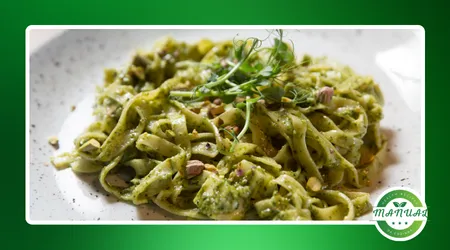
O Pistachio pesto pasta It's the kind of dish that solves that classic kitchen dilemma: how to impress without spending three hours standing in front of the stove.
Adverts
There's an unpretentious sophistication to this recipe that transforms an ordinary Tuesday dinner into an event, using a very simple logic of freshness and texture.
This search for quick recipes that are anything but obvious has ended up shaping what we expect from food today.
No one wants that heavy feeling of industrial sauces full of preservatives anymore. Replacing traditional pine nuts with premium nuts brings a new sensory weight to the dish, balancing good fats and a visually appealing look.
In the following lines, we will deconstruct this modern classic that has recently taken over social media and the trendiest menus.
Adverts
You'll understand the science behind the perfect emulsion, check out real nutritional data, and learn the tricks that restaurants don't tell you. Follow the structure of our guide.
Summary
- What is the origin of pistachio pesto?
- How to make the perfect pistachio pesto pasta?
- What are the nutritional benefits of pistachios?
- Comparative Nutritional Table
- What type of pasta goes best with this sauce?
- Frequently Asked Questions (FAQ)
What is the origin of pistachio pesto?
While classic Genoese pesto is rooted in fresh basil, the version that uses pistachio as the star ingredient transports us straight to the slopes of Sicily.
In the town of Bronte, the dried fruit grows in volcanic soil and has rightfully earned the nickname "green gold".
This adaptation didn't come about by chance, but rather from that old maxim of Mediterranean cuisine: cook with what's available.
By substituting traditional Ligurian ingredients with local abundance, Sicilians created a rich, slightly sweet sauce with an absurdly vibrant color.
Today, prepare the Pistachio pesto pasta It's a way to honor this intelligent regionalism without having to travel.
The recipe traveled the world, found its way onto contemporary menus, and proved that Italian tradition is even better when it embraces new textures.
Here is the detailed recipe and preparation method for you to follow. Pistachio pesto pasta Perfect, maintaining the consistency and writing style of our gastronomic guide.
Ingredients
- Pasta: 400g good quality spaghetti alla chitarra, bucatini or rigatoni
- Pistachio: 150g of raw, shelled, and unsalted pistachios
- Cheese: 60g of freshly grated Pecorino Romano (or Parmigiano Reggiano) cheese
- Oil: 100ml of low-acidity extra virgin olive oil
- Garlic: 1 small clove of garlic (without the sprouted core to avoid bitterness)
- Basil: 5 to 6 fresh basil leaves (optional, just to add a touch of freshness)
- Salt and Pepper: Adjust the final seasonings to taste.
Method of preparation
- Toasting the Pistachios: Place a dry skillet over low heat and add the pistachios. Toast them for about two minutes, stirring constantly to prevent burning. This process releases the essential oils from the seed. Reserve a tablespoon of chopped pistachios for garnish.
- Processing the Pesto: In a food processor or blender, combine the toasted pistachios, garlic clove, basil leaves, and half the olive oil. Pulse a few times until you have a coarse crumbly mixture. Add the grated cheese and the remaining olive oil, pulsing until it forms a rustic paste. Do not over-blend; we want texture.
- Cooking the Pasta: In a large pot, bring water to a boil with coarse salt (use 10g of salt for every liter of water). Add the pasta and cook until thoroughly cooked. al dente.
- The Emulsion (The Secret): Before draining the pasta, remove a cup (about 200ml) of the salted, starchy cooking water. Drain the pasta and immediately place it in a large serving dish or in the pot (without the heat).
- Finishing and Shine: Add the cold pistachio pesto to the hot pasta. Gradually add the reserved cooking water, stirring vigorously from the bottom up. The residual heat will melt the cheese and create a shiny, velvety, lump-free cream.
- Serve: Divide the pasta among the plates, sprinkle with the reserved chopped pistachios, and finish with a little more grated cheese and fresh basil leaves. Serve immediately with a glass of chilled white wine.
How to make the perfect pistachio pesto pasta?
If you think you need heavy cream to achieve creaminess, you're making a big mistake. The real secret here is the elementary physics of emulsification, using the water from cooking the pasta itself to give the dish its velvety texture.
The magic happens when we blend lightly toasted pistachios with a good Pecorino Romano and quality extra virgin olive oil.
Just don't overdo it with the blender or food processor; we want rustic bits to ensure that nice crunch that breaks the monotony of the dough.
Here's the trick: pour the cold sauce over the hot pasta and gradually add the salted water from the pan, stirring occasionally off the heat.
The residual heat melts the cheese without burning it, creating a flawless, glossy, and silky cream.
What are the nutritional benefits of pistachios?
Eating well should always be a pleasure, and this seed delivers the complete package of flavor and biological functionality.
It contains an incredible amount of potent antioxidants, such as lutein, which work directly to protect our eye health.
Another point that is often misinterpreted is the fear of calories in nuts, forgetting that their lipid profile is excellent.
O Pistachio pesto pasta It provides essential monounsaturated fats, the kind the body appreciates for keeping the heart functioning well.
To complete the package, the fiber present aids digestion and ensures you don't feel hungry soon after a meal.
The table below demystifies the composition of this ingredient with data scientifically validated by the official American agency.
+ Baked Greek orzo with vegetables for an aromatic lunch.
Comparative Nutritional Table
The numbers below represent the standard 100-gram serving of raw pistachios, extracted directly from analyses of... US Department of Agriculture:
| Nutritional Component | Quantity per 100g | Main Benefit |
| Calories | 560 kcal | Fuel and clean energy |
| Proteins | 20.1 g | Maintaining muscle structure |
| Healthy Fats | 45.3 g | Allies of the cardiovascular system |
| Dietary Fiber | 10.6 g | Regulated bowel function |
| Potassium | 1.025 mg | Assistance in controlling blood pressure |
What type of pasta goes best with this sauce?
Long pastas with a slightly rougher texture, such as spaghetti alla chitarra or bucatini, are ideal partners for this sauce.
They act like a kind of screen, holding the creamy pesto in place on every inch of the surface.
If you prefer short pasta shapes, confidently choose trofie or good old rigatoni, whose gaps trap the seed pieces.
This dynamic of choice completely transforms the physical experience of chewing when eating.
Whatever your preferred shape, the only unforgivable sin here is overcooking. Keep the pasta strictly... al dentebecause the dough needs to be firm enough to contrast with the rich, unctuous texture of the sauce.
+ Homemade Chickpea Pasta: Perfect, Protein-Rich, and Gluten-Free Pasta
How can this dish be paired with wine?
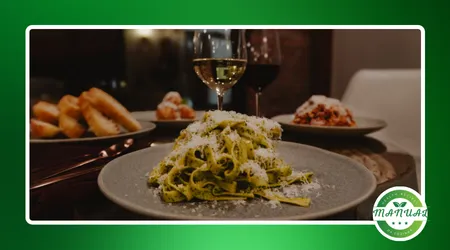
The natural richness of the dried fruit calls for a beverage that cuts through that fat with distinctive acidity and freshness.
Dry, young white wines are best suited for this subtle palate cleansing with each sip.
Labels made from Vermentino grapes or a classic Italian Pinot Grigio pair very well with the herbaceous tones of the dish.
If you can't do without red wine, choose lighter and fruitier options, such as a good Pinot Noir.
Stay away from heavy wines or those that have spent a long time aging in wood, as they easily overpower the delicate flavor of the pistachio.
The right balance makes the meal grow and transforms dinner into something truly memorable.
What are the most common mistakes when preparing pesto?
The cardinal sin of this recipe is taking the ready-made pesto sauce directly to a hot pan over high heat. This cooks the olive oil, alters the flavor, and turns the cheese into a chewy, rubbery mess; the heat from the pasta is enough.
Another silly mistake is saving money on olive oil and buying a questionable quality option at the supermarket.
Pesto is basically olive oil and seeds, so use an extra virgin olive oil with low acidity to avoid a bitter result.
Never throw away all the water before mixing everything in the dish, as it is the secret ingredient for creaminess.
Without the starch in that saltwater, your Pistachio pesto pasta It will turn into a block that is either too dry or too oily.
+ Spaghetti with pumpkin and ginger sauce
Conclusion
Real good food doesn't need to be complex or full of exhausting technical juggling acts on the kitchen counter.
This pasta proves that respecting the quality of the raw materials and understanding basic processes delivers a result worthy of a five-star restaurant.
Once you get the hang of emulsifying and respect the cooking time, you gain a fantastic ace up your sleeve for any occasion.
Play with textures, adjust the cheeses to your liking, and enjoy the versatility of this ingredient.
How about putting the water on to boil right now and trying it out? To continue exploring traditional techniques and the world of pasta, it's worth checking out the technical resources on the Italian website. Gambero Rosso.
Frequently Asked Questions (FAQ)
Can I substitute Pecorino cheese for another type?
Yes, Parmigiano Reggiano or a well-aged Grana Padano can perfectly replace Pecorino in the recipe. They maintain the salty spiciness and the necessary structure that the sauce needs to shine.
How long does pistachio pesto last in the refrigerator?
If stored in a tightly sealed glass jar, it will keep in the refrigerator for about five days without any problems. A golden tip is to cover the top with a drizzle of olive oil to prevent contact with air.
Is it possible to freeze ready-made pesto sauce?
It can be frozen for up to three months, preferably in ice cube trays for easier individual portioning. Just avoid freezing it with the cheese; add the grated cheese when you're finishing the dish.
Can I use salted pistachios in the recipe?
It's best to buy natural, unsalted, and shelled pistachios so you can adjust the seasonings manually. If you can only find the salted version, remember to reduce almost all the salt in the pasta cooking water.