Homemade Chickpea Pasta: Perfect, Protein-Rich, and Gluten-Free Pasta
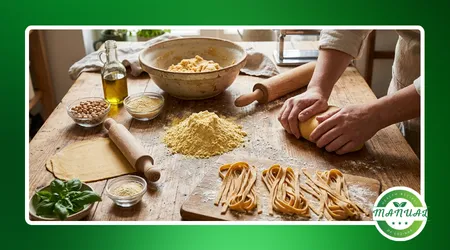
A homemade chickpea pasta It's not just a "fit substitute" for wheat; it's an affirmation of autonomy in the kitchen.
Adverts
While the industry tries to sell us rubbery and ultra-processed textures, reclaiming the manual process with legumes gives the dish a density that regular pasta rarely achieves.
It's a choice that combines nutritional rigor with the pleasure of a firm, rustic bite full of personality.
Making your own pasta at home requires a keen, almost intuitive, eye for the moisture content of the ingredients.
Chickpeas carry a millennia-old heritage in the Middle East and the Mediterranean, and bringing that strength to the form of a paste is a smart move for those seeking true satiety.
Adverts
Here, the focus is not on restriction for the sake of restriction, but on building an almond-like flavor that sustains the body without the lethargy typical of refined carbohydrates.
In this guide, we decipher the technique needed to transform flour from this legume into a feast of high biological value.
Get your kitchen counter ready: let's treat food with the seriousness it deserves, without sacrificing the comfort that a good pasta dish provides.
Summary
- What are the nutritional benefits of chickpeas?
- How to make the perfect homemade chickpea pasta?
- What is the difference between industrial and artisanal dough?
- Comparative nutritional table
- Which sauces pair best with this pasta?
- Closing the cycle in the kitchen
- FAQ
What are the nutritional benefits of chickpeas?
Chickpeas act as a small biological power plant. Unlike white wheat flour, which undergoes brutal impoverishment during refining, this legume retains an arsenal of soluble fibers that dictate the rhythm of our digestion.
This fibrous structure prevents blood sugar from rising uncontrollably. It eliminates that heavy drowsiness that usually follows a traditional pasta dish, replacing it with a more sustained and lasting energy.
There is something very potent in the tryptophan present in the grain. It is a precursor to serotonin, which explains why a portion of homemade chickpea pasta It usually leaves us feeling more satisfied and psychologically at ease.
By handling the dough by hand, we preserve the integrity of the plant proteins without the interference of extreme heat from industrial machines. This ensures that each bite truly contributes to maintaining our muscle mass.
Magnesium, iron, and zinc aren't just names on labels here; they're bioavailable. This mineral richness strengthens the immune system, making meals a preventative and strengthening act for daily metabolism.
How to make the perfect homemade chickpea pasta?
The final quality of the dough begins with the choice of flour. Look for a fine grind and, if possible, organic flour, so that the nutty notes of the chickpeas shine through without the metallic noise of agricultural chemicals.
Combine the flour with free-range eggs and a pinch of sea salt. The secret is in feeling the texture: it will be less elastic than wheat flour, requiring patient hands that understand the point of cohesion.
For those following a strictly plant-based diet, aquafaba or flaxseed gel acts as a binder. The result is equally potent, maintaining the necessary structure so that the cut doesn't fall apart.
Leave the homemade chickpea pasta Rest is essential. Thirty minutes under a damp cloth allows the proteins to stabilize and hydration to become uniform, making subsequent work with the roller easier.
To better understand the physical properties and behavior of these legumes under different climatic and soil conditions, the technical notes of EMBRAPA on grains and legumes They offer a solid scientific basis.
Roll out the dough to a thin thickness. Because chickpea protein is denser than gluten, a very thick sheet can result in a heavy experience; thinness ensures an elegant taste.
What is the difference between industrial and artisanal dough?
Many commercially available pastas are actually a simulation. They use thickeners and gums to mimic the elasticity of wheat, which ends up masking the real flavor of the grain and unnecessarily weighing down the digestive system.
Cooking at home eliminates any need for preservatives. You have complete control over what goes into the pan, ensuring that sodium doesn't become the unwanted star of what should be a healthy meal.
The porosity of homemade chickpea pasta Handmade pasta is incomparable. It's that slightly irregular surface that "holds" the sauce, creating a fusion of flavors that smooth, industrial pastas can never replicate.
The visual aspect also changes drastically. The vibrant gold and rustic texture bring a sensory appeal that evokes care, elevating the dinner to a moment of celebration of real food and technique.
Choosing artisanal products is an exercise in patience and respect for the cycles of food. It's a break from the culture of ultra-processed foods, prioritizing the transparency of what nourishes our cells and the pleasure of manual work.
+ Creamy roasted garlic and Parmesan pasta for a special dinner.
Comparative nutritional table
These data reflect the reality of a 100g serving of cooked pasta. Note how changing the type of grain drastically alters the macro and micronutrient profile of your meal.
+ Creamy vodka pasta with tomato, inspired by a viral recipe.
| Nutrient (per 100g) | Conventional Wheat Pasta | Chickpea Pasta |
| Proteins | 5.8g | 12.5g |
| Fibers | 1.8g | 8.0g |
| Net Carbohydrates | 30g | 22g |
| Iron | 0.7mg | 2.5mg |
| Glycemic Index | High | Low / Moderate |
Which sauces pair best with this pasta?
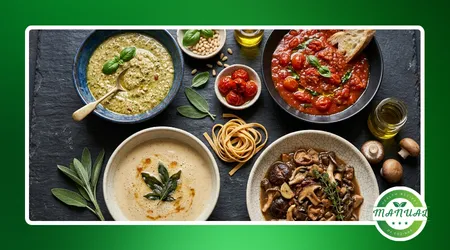
Because of its more robust profile, this pasta calls for sauces with personality. A basil pesto with walnuts or almonds creates an interesting dialogue between the herbaceous notes and the earthy flavor of the legume.
The classic peeled tomato sauce, if well seasoned with garlic and sage, offers the necessary acidity to cut through the density of the... homemade chickpea pasta, bringing immediate balance and lightness to the dish.
If you're aiming for something minimalist yet sophisticated, opt for low-acidity olive oil, lemon zest, and freshly ground black pepper. Simplicity highlights the technical quality of the dough you've created.
Avoid heavy creams or excessively fatty cheeses, which can overpower the delicate flavor of chickpeas.
The secret here is the transparency of the flavors, using ingredients that respect the concept of lightness.
Finishing with nutritional yeast or an aged Parmesan adds that layer of umami that rounds out the experience.
It's the detail that transforms a restrictive diet into a high-level and pleasurable gastronomic experience.
Accompanying the meal with a mineral white wine or even water with cucumber slices and mint helps cleanse the palate between bites, allowing each flavor note to be fully perceived.
+ Meat capeletti puttanesca style
Closing the cycle in the kitchen
Learning how to manipulate the homemade chickpea pasta It's a game-changer. We've gone from being just consumers of colorful packages to becoming curators of our own health, without sacrificing the sophistication that a good toothpaste requires.
The manual process may seem challenging at first, but the result — a nourished body and a satisfied palate — makes every minute of kneading worthwhile.
This proves that a functional kitchen doesn't have to be boring or overly technical.
By choosing whole ingredients, you strengthen a more conscious and direct consumption chain. Eating well is, above all, an act of respect for yourself and for the quality of the time you dedicate to your meals.
For those who wish to explore more about the global impact of legumes and their importance for the future of sustainable food, the publications of Food and Agriculture Organization of the United Nations (FAO) They are indispensable sources of authority.
FAQ (Frequently Asked Questions)
1. Can I freeze the dough before cooking?
Yes. Ideally, freeze the dough already cut and dusted with a little flour on a baking sheet, transferring it to bags after it has hardened. It will last up to three months in the freezer.
2. Is the chickpea flavor very strong?
Not if it's well executed. The flavor is subtle and nutty, very reminiscent of a luxurious whole-wheat pasta. The choice of seasonings and sauce helps to integrate the flavor harmoniously.
3. Do I absolutely need a pasta machine?
Not at all. Although the machine makes standardization easier, rolling out the dough with a wooden rolling pin and cutting it with a sharp knife gives it a rustic charm that is the soul of artisanal cooking.
4. Does the pasta take longer to cook?
On the contrary. Because it's fresh pasta, the cooking time is very quick, usually between 3 and 5 minutes. Be careful not to overcook it, as it's crucial for the texture.
5. How can I prevent the dough from becoming crumbly?
Resting is key. If the dough is breaking when you roll it out, it hasn't had enough moisture or time for the flour to absorb the liquids. Add water little by little or let it rest for longer.