
Creamy roasted garlic and Parmesan pasta for a special dinner.
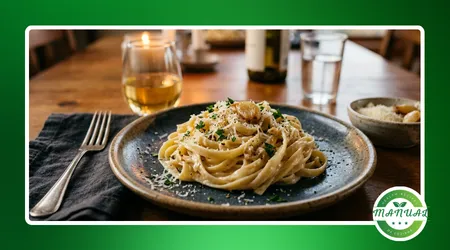
A creamy roasted garlic and parmesan spread This isn't just another countertop recipe; it's proof that patience in the kitchen produces results that haste could never achieve.
Adverts
In this guide, we decipher how to elevate the ordinary dinner into a sensory event, moving away from ready-made formulas. We will explore the chemical transformation of the bulbs and the rigorous selection of lineage cheeses.
It's time to forget the usual sautéed garlic and embrace richness. Follow our technical guide and discover how the balance between fat, salt, and time defines the success of this pasta.
Summary
- The metamorphosis of garlic under indirect heat.
- The architecture of the ingredients: Texture above all.
- Technical execution: The step-by-step process for the perfect emulsion.
- Harmonization: When acidity meets fat.
- The Science of Umami: The Role of Parmigiano-Reggiano
- Technical data and proportions
- Gastronomic Reflection
- FAQ
The metamorphosis of garlic under indirect heat.
There's a common misconception about treating garlic as merely an aggressive spice. When baked, the inulin molecules break down, resulting in intense sweetness.
This slow caramelization removes the "fire" from the bulb and delivers a pomade-like texture. The garlic ceases to be a supporting ingredient and becomes the structural base of the sauce.
Adverts
The aroma that fills the kitchen while it bakes already anticipates the comfort of the dish. It's a physical-chemical process that no quick frying technique can replicate with the same elegance.
A creamy roasted garlic and parmesan spread It is born from this patience. The result is an earthy, subtly smoky flavor that is completely integrated into the dough, without the sharp edges of raw garlic.
Here is the technical sheet and detailed preparation instructions to accompany your article. This recipe has been structured to ensure that... creamy roasted garlic and parmesan spread Deliver the exact experience described in the text: sophistication, velvety texture, and deep flavor.
Recipe: Creamy Roasted Garlic and Parmesan Paste
This preparation serves 2 people and focuses on the emulsification technique to ensure that the sauce does not separate.
Ingredients
- The base of flavor: 2 whole heads of garlic (preferably purple garlic).
- The dough: 250g of good quality Fettuccine or Pappardelle.
- The dairy: 200ml of fresh heavy cream (whipped into chantilly, min. 35% fat).
- The cheese: 100g of finely grated Parmesan cheese (Parmigiano-Reggiano or similar long-aged cheese).
- Fat and Spices: Extra virgin olive oil, sea salt, freshly ground black pepper, and a touch of chopped fresh parsley.
Method of preparation
1. Caramelizing Garlic
Preheat the oven to 180°CCut about 1 cm off the top of the garlic heads to slightly expose the cloves. Place them on a sheet of aluminum foil, drizzle with plenty of olive oil and a pinch of salt.
Close the paper to form a "little bundle" and bake for 40 to 45 minutesThe garlic should be so soft that it comes away from the skin when lightly pressed.
2. Preparing the Garlic Base
Remove the garlic from the oven and let it cool slightly. In a large skillet (still off the heat), crush the roasted garlic cloves.
Using a fork or spatula, mash them until a smooth paste forms. Add the fresh cream and mix well into the garlic paste.
3. Cooking the Pasta
In a large pot, bring 3 liters of water to a boil with 30g of salt. Cook the pasta until al dente. al dente (usually 1 to 2 minutes before the time indicated on the packaging).
Important: Before draining, reserve 1 cup (200ml) of the cooking water.
4. The Emulsion of the Sauce
Turn on the skillet with the cream and garlic over very low heat. When it starts to bubble lightly at the edges, add the cooked pasta and half of the reserved water.
Mix vigorously using circular motions.
Turn off the heat — the residual heat is sufficient for the next step. Add the grated Parmesan cheese little by little, stirring constantly.
If the sauce seems too thick, add the remaining pasta water little by little until it reaches a satin sheen.
5. Conclusion
Adjust the salt (remember that Parmesan is already salty) and add plenty of freshly ground black pepper. Finish with chopped parsley for a touch of freshness and serve immediately on preheated plates.
Chef's Tips for the Blog
- Restaurant Visuals: When serving, use tongs to roll the dough in the center of the plate, creating height.
- Variation: For an extra layer of flavor, add lemon zest just before serving; the acidity of the lemon cuts through the fat and enhances the sweetness of the garlic.
- Critical Point: Never boil the sauce after adding the cheese, or it will become grainy instead of creamy.
The architecture of the ingredients: Texture above all.
To prevent the creaminess from becoming heavy or cloying, the cream needs to be fresh. Forget the canned versions; the fat content is what sustains the flavor.
Parmesan, in turn, carries the weight of tradition. A cheese aged for 12 or 24 months brings the necessary complexity, offering crystals that crackle gently between the teeth.
We often ignore the role of the masses, but they are the vehicle. fettuccine It functions like a wide screen, capturing every drop of the emulsion we create in the frying pan.
Never discard the boiling water. This cloudy liquid, rich in starch, is what seals the bond. creamy roasted garlic and parmesan spread, creating a satin sheen that's impossible to ignore.
Technical execution: The step-by-step process for the perfect emulsion.
The ritual begins by cutting off the tops of the garlic heads, revealing the cloves. A generous drizzle of olive oil and the heat of the oven do the hard work in forty minutes.
Meanwhile, the dough cooks. Some people lose track of time, but the point is... al dente This is non-negotiable here, ensuring that the wheat retains its dignity in the face of the rich sauce.
When you remove the roasted garlic from its skin, it should melt under the fork. Mix it with the cream over low heat; rushing here often separates the fat and ruins the presentation.
Finally, incorporate the cheese little by little. The mixture of the dough with this cream should be vigorous, using the cooking water to achieve that fluid consistency expected from a high-class restaurant.
+ Creamy vodka pasta with tomato, inspired by a viral recipe.
Harmonization: When acidity meets fat.
Serving a dish of this magnitude without the right wine is a strategic mistake. The richness of the cheese and cream calls for a drink that cuts through the fat and cleanses the taste buds.
A barrel-aged Chardonnay is the obvious, yet sure, choice. Its buttery notes complement the roasted garlic, creating a harmonious dialogue between glass and dish.
If you prefer red wines, opt for something light. A Pinot Noir, with its vibrant acidity and delicate body, won't clash with the Parmesan, allowing the garlic to shine.
A creamy roasted garlic and parmesan spread This requires careful consideration. Harmonization is not just about etiquette, but about ensuring that each bite feels like the first, without overwhelming the palate.
+ Baked feta pasta with cherry tomatoes that went viral on the internet.
The Science of Umami: The Role of Parmigiano-Reggiano
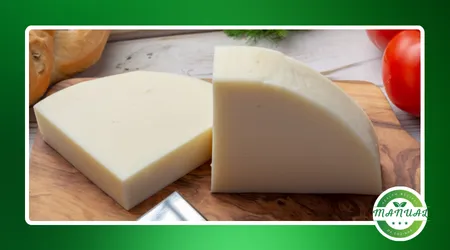
Parmesan is a flavor powerhouse. umamiDuring maturation, milk proteins break down into amino acids such as glutamate, which signals a deep sense of satisfaction to the brain.
Gastronomic studies from 2026 reinforce that artisanal cheeses maintain a superior enzymatic complexity. This translates into a sauce that fills the mouth in a multidimensional way.
When preparing your creamy roasted garlic and parmesan spreadAvoid pre-packaged processed cheese. It contains starches that prevent perfect melting, leaving the sauce grainy and opaque.
The residual heat from the dough is enough to melt the freshly grated Parmesan cheese instantly. This technical detail preserves the volatile aromas of the cheese, which would be lost in aggressive boiling.
Technical data and proportions
Understanding the composition of the dish helps to balance the menu. The following are approximate metrics for a high-quality, standard execution.
+ Spaghetti with pumpkin and ginger sauce
| Attribute | Suggested Measure | Role in Composition |
| Baking Time (Garlic) | 45 min | Sweetness and ointment texture |
| Fat Content (Cream) | 35% | Stability and brightness |
| Parmesan Curing | 12-24 months | Intensity and umami crystals |
| Salt in the Pasta Water | 10g per liter | Intrinsic flavor of wheat |
| Protein per serving | 18g | Satiety and structure |
| Serving Temperature | 65°C | Ideal sauce fluidity |
Gastronomic Reflection
Understand the creamy roasted garlic and parmesan spread It's about accepting that cooking is an exercise in transformation. Humble ingredients, when respected in their time, become monumental.
The secret lies not in exotic spices, but in the precision of the emulsion and the courage to wait for the garlic to reach its caramel point. It's pure technique disguised as simplicity.
May this dish be the centerpiece of a long meal filled with slow conversations. After all, a well-executed pasta dish is, above all, an invitation to slow down and appreciate what is real.
To deepen your technique in classic sauces and emulsions, the portal GialloZafferano It remains the essential compass for those seeking the authenticity of modern Italian cuisine.
FAQ – Frequently Asked Questions
Can the sauce be frozen?
Not recommended. Cheese and cream-based sauces tend to separate after thawing, losing the velvety texture that defines this particular dish.
Purple or white garlic?
Domestic purple garlic tends to have more essential oils and a more persistent flavor. When roasted, it provides a deeper and more complex caramelization than regular white garlic.
What's the biggest mistake when making this sauce?
Add the cheese while the sauce is boiling. This causes the proteins in the Parmesan to clump together in elastic strands instead of melting evenly into the creamy base.
Can I use garlic powder to speed things up?
Never. Garlic powder is bitter and doesn't have the necessary sugars for a paste-like texture. The heart of this recipe is precisely the moisture of the roasted fresh bulb.
How to reheat leftovers?
Cook it in a double boiler or over very low heat, adding a little milk or water. Stir gently to restore the emulsion without frying the already cooked ingredients.