
Creamy vodka pasta with tomato, inspired by a viral recipe.
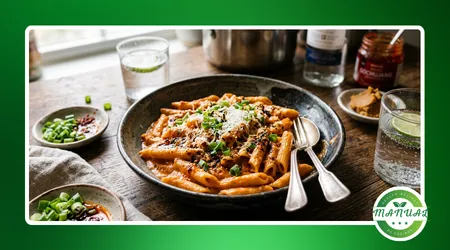
A Creamy vodka pasta with tomato It broke the internet, but forget that basic version from five years ago; what sets the tone now is an Asian fusion that challenges Italian purism.
Adverts
This obsession with the dish is no accident. It's the perfect collision between the comfort of a classic pasta and the umami punch that ingredients like miso and gochujang deliver without asking permission.
In this guide, we decipher the chemistry behind the sauce's sheen and how you can recreate that velvety texture at home. Get ready to elevate a casual dinner into a memorable sensory experience.
Summary
- The metamorphosis of viral marketing: from TikTok to Asian refinement.
- Emulsion engineering: how to achieve the perfect gloss.
- The chemical role of vodka (it's not just a gimmick).
- Smart substitutions: when the obvious isn't enough.
- Technical comparison of ingredients.
- The art of finishing and harmonizing.
Why does creamy vodka pasta with tomato still dominate kitchens?
It's not just about aesthetics. The rise of Creamy vodka pasta with tomato The culinary landscape of 2026 reflects our search for dishes that deliver maximum complexity with minimum effort.
What began as a social media trend has evolved into a serious fusion technique. By introducing fermented oriental ingredients, we break the monotony of industrial tomato sauce and create a depth that modern palates demand.
Adverts
There's something magnetic about the vibrant orange color of this dish. It signals a sumptuousness that, honestly, few twenty-minute recipes manage to sustain with such authority and balance of flavors.
Understanding this dynamic is what separates a weekend cook from someone who truly masters the kitchen. The secret lies in the patience to allow the flavors to blend organically.
What guarantees that creamy texture that envelops the dough?
Many believe that simply adding cream to the pan is enough, but the reality is more subtle. The true creaminess comes from the emulsion between fat, cheese, and the starchy water from cooking.
So that your Creamy vodka pasta with tomato To prevent it from becoming a heavy mass, temperature control is vital. High heat is the number one enemy of a silky texture, and can curdle the sauce in the blink of an eye.
By adding water to the dough, you are introducing a natural binding agent. This "liquid gold" creates a bridge between the oil in the sauté and the dairy products, resulting in that restaurant-style display case appearance.
Focus on consistency. The sauce should be thick enough to coat the back of a spoon, but runny enough to gently ooze through the grooves of your penne or rigatoni.
Ingredients (Serves 2)
Mass Base:
- 250g short pasta (good quality penne or rigatoni)
- Cooking water (reserve at least 200ml)
- Salt to taste (for the water)
The Fusion Sauce:
- 2 tablespoons unsalted butter (or miso butter)
- 1 tablespoon extra virgin olive oil
- 1 small onion (white or shallot) finely chopped
- 3 cloves of garlic grated or chopped
- 1 heaping tablespoon Gochujang paste (adjust according to your tolerance for chili peppers)
- 1 teaspoon White miso (optional, for umami depth)
- 1/2 cup tomato passata or confit cherry tomatoes
- 45ml (1 dose) of good quality vodka
- 150ml fresh cream (or heavy cream)
- 50g freshly grated Parmesan cheese
Finalization:
- Chopped chives to taste
- A drizzle of chili oil
- Freshly ground black pepper
Method of preparation
1. Cooking the Pasta
In a large pot with plenty of salted water, cook the pasta. The goal is to remove it from the pan. 2 minutes before of the time indicated on the packaging (very al dente), because it will finish cooking in the sauce. Remember: Reserve one cup of the cooking water before draining.
2. The Aromatic Stir-fry
In a large skillet over medium heat, melt the butter with the olive oil. Sauté the onion until translucent.
Add the garlic and then the paste. Gochujang and the MisoFry this mixture for 1 minute to "awaken" the fermented flavors until the oil turns a light reddish color.
3. Deglazing with Vodka
Add the tomato passata and mix well. Pour in the vodka and let it cook for about 2 to 3 minutes.
You'll know it's ready when the strong smell of alcohol disappears, leaving only the sweet and sour aroma of the enhanced tomato.
4. The Creamy Emulsion
Reduce the heat to low. Slowly pour in the heavy cream, stirring constantly until you obtain a smooth, vibrant orange sauce. Add the Parmesan cheese and mix until melted.
5. The Grand Finale
Transfer the drained pasta directly to the sauce pan. Add some of the reserved cooking water (start with 50ml) and stir vigorously over medium-low heat.
The starch in the water will create the emulsion, causing the sauce to cling to the pasta like silk.
6. Assembly
Serve immediately on warmed plates. Finish with fresh chives, a little more Parmesan cheese, and chili oil for a visual and temperature contrast.
Golden Tip:
If the sauce dries out too much while you're finishing it, add a little more pasta water. It's your best resource for adjusting the texture without needing to add more fat.
What oriental touches transform the classic into something new?
The use of gochujang (The ubiquitous Korean chili paste) is the game-changer here. It brings a smoky heat and a fermented sweetness that simple dried chili could never achieve on its own.
Replacing some of the salt with white miso is another trick that is often misunderstood, but it makes perfect technical sense. The miso acts as a natural enhancer, smoothing out the acidic edges of the tomato.
This cultural integration is not just a passing fad; it's the natural evolution of gastronomy in a hyper-connected world. Well-executed fusion cuisine respects its foundations while daring to experiment with flavor.
+ Baked feta pasta with cherry tomatoes that went viral on the internet.
Is vodka really necessary, or is it just marketing?
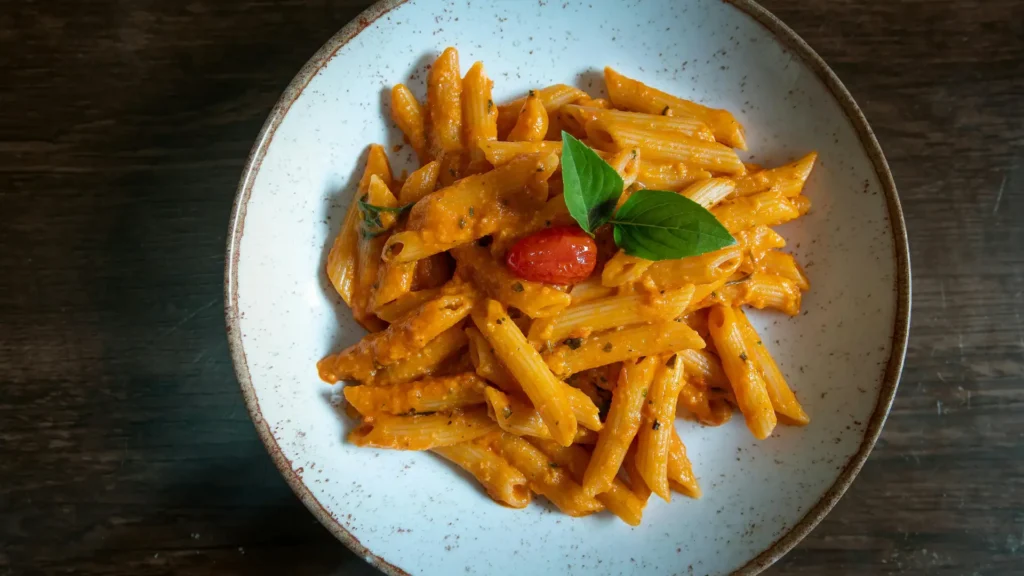
If you think the drink is optional, culinary chemistry disagrees. Vodka acts as a solvent, releasing aromatic compounds from the tomato that don't dissolve in just water or fat.
Without alcohol, your Creamy vodka pasta with tomato It would otherwise be just an ordinary rosé sauce. The distillate organizes the flavor molecules, allowing the sweetness and acidity to shine through distinctly.
Don't worry about getting drunk: the alcohol evaporates almost completely during boiling, leaving behind only the structure that holds the sauce together. It's an invisible transformation, but noticeable with the first bite.
Use a trusted brand. Low-quality vodkas contain impurities that can leave a bitter aftertaste. In the kitchen, just like in the bar, the purity of the ingredients dictates the quality of the result.
+ Meat capeletti puttanesca style
Technical Table: Tradition vs. Innovation 2026
| Element | Traditional Approach | New School (Viral) | Impact on Taste |
| Heat | Dried Calabrian chili peppers | Gochujang paste | Dense and earthy spiciness |
| Salinity | Common sea salt | White miso or shoyu | Deep and complex umami |
| Fat | Unsalted butter | Noisette butter or sesame seeds | Nutty aroma and creaminess |
| Herbs | Fresh basil | Green onions and cilantro (optional) | Sharp and modern freshness |
| Base | Tomato passata | Roasted and processed tomatoes | Concentrated and rustic sweetness |
What pasta shape best complements this sauce?
Short shapes like Rigatoni are the undisputed champions. Their external grooves and hollow interior act as reservoirs for the... Creamy vodka pasta with tomato, guaranteeing an explosion with every bite.
If you prefer long pasta, Bucatini is the technically correct choice. The central hole allows the sauce to penetrate the strand, creating a much richer experience than traditional spaghetti.
Regardless of the choice, the point al dente It's non-negotiable. The pasta must finish cooking in the sauce so that an osmotic exchange occurs: the wheat absorbs the flavor and releases starch.
Avoid very delicate pasta shapes. The vodka sauce has a strong personality and considerable density; pasta that is too thin ends up "drowned" and loses its texture, compromising the balance of the dish.
Why do fresh tomatoes beat any industrial option?
In 2026, luxury lies in freshness. Using ripe Italian tomatoes or candied cherry tomatoes brings a vibrancy that canned goods, however good, rarely manage to replicate with the same lightness.
The technique of roasting tomatoes before turning them into a base for the Creamy vodka pasta with tomato It concentrates the natural sugars. This eliminates the need to add sugar to correct excessive acidity.
There's something therapeutic about watching the tomatoes burst in the pan, releasing their juices which, in contact with the vodka, create a symphony of aromas. It's the pinnacle of cooking done with soul and real ingredients.
If time is short, a high-quality glass passata is acceptable, but the effort of processing the fresh fruit pays off in the final shine of the dish and the purity of the flavor.
+ What is the difference between dry pasta and fresh pasta?
The perfect moment to serve this masterpiece.
This dish transitions seamlessly between a casual Tuesday dinner and an elegant Saturday night reception. It proves that simplicity, when well executed, is the ultimate sophistication.
A Creamy vodka pasta with tomato It demands to be served immediately. The freshness of the sauce and the texture of the pasta have a short shelf life; every minute of waiting at the table is detrimental to the experience.
To elevate the experience, pair it with a brut sparkling wine or a white wine made from Vermentino or Sauvignon Blanc grapes. The acidity of the drink cuts through the richness of the cream, preparing the palate for the next course.
Finish with a generous sprinkling of freshly grated Parmesan and a drizzle of chili oil. The presentation is the initial appeal, but it's the authenticity of the ingredients that will have your guests asking for the recipe.
Final Reflection
Master the Creamy vodka pasta with tomato It's about understanding that the kitchen is a living organism. What was once an 80s classic has transformed into a symbol of today's global and connected cuisine.
The beauty of this recipe lies in its adaptability. Whether following the technical rigor or daring to incorporate Asian influences, the result is always a celebration of comfort and authentic flavor.
Cooking is, above all, an act of presence. By selecting each ingredient and observing the transformations in the pan, you are not only nourishing the body, but also exercising your creativity and hospitality.
To ensure your culinary practices always align with the highest health and quality standards, consult the portal regularly. ANVISA, a benchmark in food safety in Brazil.
FAQ – Frequently Asked Questions
1. Is it possible to make the sauce without alcohol and still maintain the flavor?
You can substitute the vodka with a little rice vinegar or lemon juice for acidity, but the texture and aromatic depth will be different. Alcohol plays a unique structural role.
2. Does using miso make the dough too salty?
On the contrary. Miso has less sodium per gram than table salt and offers umami, which means you need less salt to experience the full flavor.
3. Can I use boxed cream?
For a professional result, opt for fresh (pasteurized) cream or double cream. They have a higher fat content and won't curdle due to the acidity of the tomato and alcohol.
4. How do I reheat leftover dough?
Ideally, there shouldn't be any leftovers, but if there are, reheat it over low heat with a little milk or water to restore its creaminess. Microwaves tend to separate the fat from the sauce.
5. What is the real difference of gochujang in this recipe?
It adds a "third dimension" to the flavor. While chili peppers only add spiciness, gochujang brings fermentation, body, and a much more intense color to the final sauce.