
Pasta alla Norma is a traditional Sicilian recipe with eggplant.
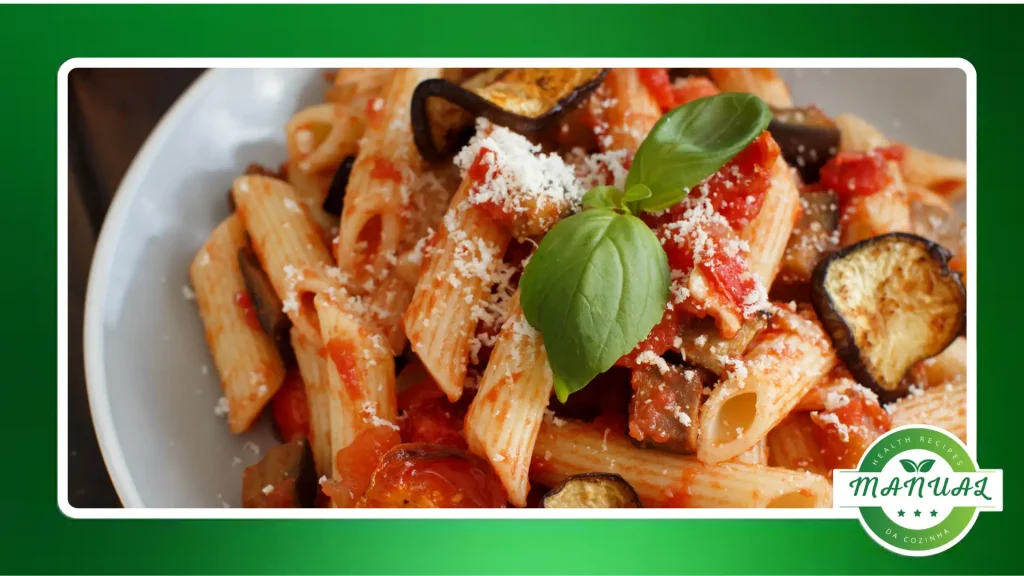
A Pasta alla Norma Tradicional This Sicilian recipe with eggplant brings the essence of Catania directly to your table in an authentic way.
Adverts
This classic Italian dish combines simple, fresh ingredients, celebrating the richness of Mediterranean cuisine with absolute mastery.
Below, you'll find the complete summary to help you navigate through the fundamental techniques and historical secrets of this true gastronomic masterpiece.
Practical Summary of the Recipe
- The Historical Origin of the Dish
- Choosing the Ideal Ingredients
- Step-by-Step Preparation
- Correct Cooking Techniques
- Complete Nutritional Table
- Frequently Asked Questions (FAQ)
What is the origin of traditional Pasta alla Norma?
Nino Martoglio named the dish after Vincenzo Bellini's famous opera, a parallel that is often misinterpreted as a mere marketing ploy.
The original recipe originated in Sicily, in vibrant Catania, as a sublime tribute that reflects the cultural identity of a people connected to the land.
Adverts
For Sicilians, prepare the Pasta alla Norma Tradicional It goes far beyond just cooking a quick lunch.
There is something almost sacred about this ritual that demands absolute respect for the ripening time of the tomato and the exact texture of the cured cheese.
What ingredients make up traditional Pasta alla Norma?
The success of this Italian recipe depends on the quality of the ingredients you select at the market.
The eggplant should be firm, with a shiny, unblemished skin, ensuring the ideal flavor.
Traditionally, cooks use Ricotta Salata cheese, a pressed and salted version that differs entirely from regular fresh ricotta.
The basil is added at the end, releasing essential oils that subtly and strikingly elevate the sensory level of the recipe.
Necessary Ingredients
- 400g Rigatoni or Penne pasta
- 2 medium-sized firm eggplants
- 800g ripe Italian tomatoes (or homemade passata)
- 2 cloves of garlic, lightly crushed
- 150g grated Ricotta Salata cheese
- 1 bunch of fresh basil
- Extra virgin olive oil for frying and seasoning
- Coarse sea salt and freshly ground black pepper
How do I prepare the main components?
Cut the eggplants into slices approximately one centimeter thick, keeping the skin on to preserve the vegetable's physical integrity. Place the slices in a sieve, sprinkle with coarse salt, and let them sweat for thirty minutes to extract the bitterness.
Wash the slices under running water to remove excess salt and dry each one thoroughly with paper towels. Heat a generous amount of olive oil in a deep frying pan and fry the slices until golden brown.
How do I prepare the sauce and finish it?
Sauté the whole garlic cloves in two tablespoons of olive oil and add the chopped tomatoes along with the basil stems. Cook over low heat for twenty minutes until the tomatoes break down, removing the garlic and stems before mixing in the pasta.
Cook the rigatoni in salted water until al dente, drain, and pour directly into the pan with the hot sauce. Add half of the eggplant, mix well, and serve on plates with the remaining eggplant, ricotta salad, and fresh greens.
How to prepare eggplant perfectly?
The first step is to slice the vegetable into medium-sized rounds, keeping the peel on to ensure structure.
Sprinkling salt helps eliminate natural bitterness and drastically reduces oil absorption during frying.
Dry each piece very well before placing them in the frying pan with hot olive oil.
Fry until they reach a dark golden color, leaving the inside soft and the outside slightly crispy.
+ Sophisticated yet easy pistachio pesto pasta
Which type of pasta is most recommended?
The choice of format directly influences how well the homemade tomato sauce enriched with eggplant is retained.
Short, tubular shapes, like Rigatoni, are able to trap pieces of vegetable and cheese within their cavities.
Cook the pasta in plenty of salted water until it reaches the perfect point known as al dente.
Always save a cup of the cooking water to adjust the final consistency of your [potatoes/pastries]. Pasta alla Norma Tradicional.
+ Creamy ricotta and lemon pasta ready in 15 minutes.
How to assemble the dish in an authentic way?
Heat the sauce over low heat and add half of the fried eggplant to blend the flavors.
Mix the drained pasta directly into the skillet, coating each piece with the bright red, well-seasoned sauce.
Distribute the portions onto serving plates and place the remaining browned eggplant on top.
The official guidelines of Italian Cucina Academy They reinforce the importance of preserving these traditional methods of execution.
Nutritional Information for the Traditional Recipe
| Component | Amount per Serving | % Recommended Daily Values |
| Carbohydrates | 65g | 22% |
| Proteins | 14g | 19% |
| Total Fats | 12g | 15% |
| Dietary Fiber | 6g | 24% |
What are the secrets to the perfect sauce?
The secret to the sauce lies in choosing ripe tomatoes that are slowly cooked with crushed garlic cloves.
Slow cooking reduces the fruit's natural acidity without the need to add refined sugar to the preparation.
Incorporate basil stems during cooking to extract maximum aroma and flavor.
The consistency should be rustic and thick, ideal for covering the Pasta alla Norma Tradicional without dripping.
Where can I find authentic Ricotta Salata?
Authentic Ricotta Salata can be found in specialty shops that sell imported products or artisanal cheeses.
If you can't find it, Pecorino Romano cheese works as an acceptable substitute due to its salt profile.
Never use fresh, domestically produced ricotta as a substitute, as it lacks the necessary salt and texture.
Ensuring you use the right cheese transforms your homemade recipe into a true sensory journey straight to southern Italy.
How to adapt the recipe for restrictive diets?
You can easily transform this classic into a vegan option by replacing the cheese with a cured almond version.
Eggplant remains the star of the dish, ensuring satiety and nutritional richness for all guests.
If you prefer a lighter version, the eggplants can be baked in the oven with a drizzle of olive oil.
The important thing is to maintain a balance of spices and a prominent presence of basil throughout the dish.
+ Creamy roasted garlic and Parmesan pasta for a special dinner.
When should you serve this Sicilian classic?
This dish is the perfect choice for summer lunches, when vegetables are at their most flavorful.
Serve with a good, light red wine from the Mount Etna region to complement the experience.
The versatility of this recipe allows it to be a complete main course, without the need for side dishes.
Transform any day of the week into a celebration of Italian cuisine with this practical and sophisticated recipe.
Conclusion
Mastering the preparation of Pasta alla Norma Tradicional It allows you to rediscover the true soul of Sicilian cuisine in your kitchen.
Respecting the correct ingredients and cooking methods guarantees a final result worthy of applause.
To learn about other historical variations and get more tips on Italian culinary techniques, visit the international gastronomy portal. Gambero Rosso.
Frequently Asked Questions (FAQ)
Can I freeze Pasta alla Norma after it's been prepared?
I don't recommend freezing the prepared dish, as the eggplant loses its crisp texture and the dough becomes too soft.
Ideally, freeze only the prepared tomato sauce and fry the vegetables on the day you plan to serve them.
How can you remove the acidity from tomatoes without using sugar?
The secret to reducing natural acidity is long cooking over low heat with a pinch of salt.
Adding a whole carrot while the sauce is boiling and then removing it helps absorb unwanted acidity.
Why does eggplant absorb so much oil when fried?
Eggplant has a spongy internal structure that absorbs liquids quickly when placed in warm oil.
Pre-salting and frying in very hot oil seals the surface of the vegetable immediately.
Can I use Japanese eggplant in this recipe?
Traditional Italian eggplant is the most recommended because it has denser flesh and fewer internal seeds.
The Japanese version can be used when necessary, but the frying time should be reduced.
What is the average preparation time for this recipe?
The total estimated time is around forty-five minutes, including the initial resting time for the vegetable.
It's a meal considered quick and highly practical for the everyday life of those seeking sophistication and flavor.