Creamy ricotta and lemon pasta ready in 15 minutes.
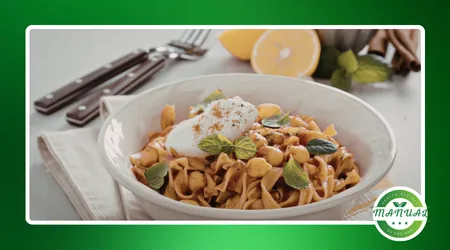
Prepare a Creamy ricotta and lemon pasta It's the ultimate solution for those seeking a sophisticated, nutritious, and extremely quick meal in the busy daily life of 2026.
Adverts
This recipe combines the lightness of fresh ricotta with the vibrant acidity of Sicilian lemon, creating a velvety sauce that perfectly coats the pasta in just a few minutes.
Below, you will find the complete guide to mastering this culinary technique, guaranteeing a restaurant-worthy dish with minimal effort and maximum nutritional quality at home.
Summary
- Why is ricotta the ideal base for quick sauces?
- How to choose ingredients for maximum freshness?
- What are the steps to perfect creaminess?
- Nutritional Table: Ricotta Pasta vs. White Sauce
- Expert tips to enhance the flavor.
- Conclusion
- FAQ
Why is ricotta the ideal base for quick sauces?
The use of ricotta in pasta has become an absolute trend in modern gastronomy due to its high protein profile and low saturated fat content.
Unlike traditional cream, this cheese offers a grainy texture that, when properly emulsified, transforms your... Creamy ricotta and lemon pasta into something sublime.
Adverts
Culinary science explains that ricotta cheese doesn't melt like mozzarella, but absorbs cooking liquids, keeping the sauce's structure stable and very light.
Many contemporary chefs prefer this base for its neutral flavor, which allows citrus notes and fresh herbs to stand out much more in the final taste.
Furthermore, ricotta is rich in whey, which aids digestion and makes the dish a viable option for both lunch and late dinners.
How to select the best ingredients in 2026?
To ensure the success of this recipe, choosing the right type of pasta is the first crucial step in retaining the sauce efficiently and harmoniously on the dish.
Short, grooved pasta shapes, such as penne rigate or fusilli, are ideal because their cavities capture the... Creamy ricotta and lemon pasta with every bite.
The lemon should preferably be Sicilian, known for its intense aroma and balanced acidity, avoiding the excessive bitterness that some varieties of Tahiti lime can present in the final product.
Always check the ricotta label; artisanal or fresh versions have a higher moisture content, which drastically facilitates the creation of the desired creamy emulsion in this preparation.
Extra virgin olive oils with low acidity (up to 0.2%) enhance the sensory profile, connecting citrus flavors to milky notes in an elegant and persistent way on the palate.
Ingredients: What do you need for maximum freshness?
Selecting the right components is the first step in ensuring that your Creamy ricotta and lemon pasta Deliver the promised sophisticated flavor in just fifteen minutes of cooking.
You will need 300g of durum wheat pasta (penne or fusilli), 200g of high-quality fresh ricotta cheese, the zest and juice of one large Sicilian lemon, and olive oil.
Also set aside sea salt, freshly ground black pepper and, if you want an herbal touch, some fresh basil leaves or chopped parsley for the aesthetic and sensory finishing of the dish.
Organizing the items on the counter beforehand is essential for the process to occur without interruptions, ensuring that the dough is served at the ideal temperature and with the perfect texture.
Preparation Method: The step-by-step process to creaminess.
The process begins with cooking the pasta in abundantly salted water, strictly following the time indicated on the package so that it reaches the "al dente" point in 2026.
While the pasta is cooking, use a fork to thoroughly mash the ricotta in a large bowl until it forms a fine, homogeneous crumbly mixture without lumps.
Mix the lemon zest and three tablespoons of olive oil into the ricotta cheese, creating an aromatic paste that will serve as the base for your [dessert/pastries]. Creamy ricotta and lemon pasta.
The crucial technical secret is to remove a cup of the pasta cooking water just before draining, as the starch present in it will help form the emulsion of the sauce.
Gradually add this hot water to the ricotta mixture, stirring vigorously with a wire whisk until you obtain a smooth, shiny, light cream with a velvety texture.
Professional Finishing and Assembly
Once the pasta is cooked and drained, immediately transfer it to the bowl with the ricotta cream, ensuring that each piece is completely coated in the prepared citrus mixture.
Add the lemon juice only at this final moment, mixing gently so that the acidity balances the richness of the ricotta without curdling the sauce due to excessive heat.
Adjust the salt and pepper to your taste and finish with a drizzle of extra virgin olive oil and a few more lemon zest on top for a professional look.
Serve your Creamy ricotta and lemon pasta Serve immediately, preferably in warmed dishes, to preserve the fluidity of the sauce and the intensity of the citrus aromas released by the heat.
To learn more about the origin and benefits of fresh cheeses in the diet, consult the quality guidelines from [organization name], a reference in agricultural and food research.
Preparation Checklist (Summary)
- Boil the water with salt and cook the pasta.
- Mash the ricotta and mix with the zest and olive oil.
- Reserve 1 cup of the cooking water.
- Emulsify the ricotta with the hot water.
- Mix the dough into the cream and finish with the lemon juice.
What is the method for achieving creaminess in 15 minutes?
Mix the mashed ricotta with the lemon zest and a little freshly ground black pepper, creating a thick paste that awaits the final combination.
The secret to the 15-minute cooking time lies in organization: while the pasta cooks in plenty of salted water, you prepare the sauce base in a separate bowl or frying pan.
The key technique here is reserving the pasta cooking water, which contains starch and acts as the main binding agent for your dish.
Gradually add this hot water to the ricotta mixture, stirring vigorously until you obtain a velvety texture, before incorporating the "al dente" pasta directly into the mixture.
This process eliminates the need for high heat for the sauce, preserving the nutrients of the ingredients and ensuring that the Creamy ricotta and lemon pasta Do not let it dry out.
+ Spaghetti with pumpkin and ginger sauce
Nutritional Comparison Chart: Sauce Options
| Component (per 100g) | Ricotta and Lemon Sauce | White Sauce (Bechamel) | Four Cheese Sauce |
| Calories | 145 kcal | 220 kcal | 350 kcal |
| Proteins | 12g | 6g | 15g |
| Total Fats | 7g | 15g | 28g |
| Glycemic Index | Low | Average | Average |
| Preparation Time | 5 min | 15 min | 12 min |
Data based on averages from updated nutrition facts tables for standard dairy products in 2026.
What variations can enrich your gastronomic experience?
Although the basic recipe is minimalist and effective, the inclusion of crunchy or protein-rich elements can adapt the dish for different occasions and dietary needs of the day.
Adding toasted walnuts or slivered almonds at the end of preparation provides a textural contrast that enhances the smoothness of the dish. Creamy ricotta and lemon pasta served.
Fresh basil leaves or baby spinach added at the last minute provide visual freshness and an extra supply of iron and antioxidants essential for a balanced diet.
If the goal is to increase protein content, flakes of grilled salmon or shredded chicken breast pair perfectly with the acidity of the lemon and the creaminess of the milk.
Remember to never boil the sauce after adding the lemon, as excessive heat can curdle the ricotta and compromise the delicate aesthetic that characterizes this dish.
Finishing with a long-aged cheese, such as Parmigiano-Reggiano, adds the necessary "umami" note to balance the citrusy vibrancy in a professional and flavorful way.
+ Recipe for open and closed esfiha dough
Where can I find inspiration for healthy weekly menus?

Maintaining a diverse diet requires planning and access to sources that prioritize real ingredients and simplified techniques that save time without sacrificing flavor.
The concept of "slow food" applied to quick preparation is the key to 2026, where the quality of ingredients surpasses the complexity of traditional cooking techniques.
When preparing your Creamy ricotta and lemon pastaBy doing so, you are choosing a conscious gastronomy that respects the cook's time and the consumer's health.
Explore new formats of artisanal pasta, such as those made from ancient grains or legumes, to discover how ricotta sauce pairs with different earthy flavor profiles.
The versatility of this dish allows it to be served cold as a sophisticated pasta salad on summer days, while maintaining the integrity of its flavor and texture.
+ Conchiglione stuffed with cod in garlic cream sauce: sophisticated pasta for Christmas dinner.
Conclusion
Mastering the art of Creamy ricotta and lemon pasta Cooking in just 15 minutes proves that functional cooking can be extraordinarily enjoyable and elegant.
Through the strategic use of cooking water and the selection of fresh ingredients, you create a meal that balances health, speed, and a taste worthy of haute cuisine.
This dish represents the evolution of contemporary home cooking, focused on the purity of ingredients and the efficiency of processes, without ever sacrificing the pleasure of eating well.
FAQ – Frequently Asked Questions
Can I substitute ricotta cheese for another type of cheese?
Yes, cottage cheese or fresh cheese (like Minas cheese) can be used, but the final texture will be slightly different and may require less cooking water for emulsification.
Does Tahiti lime significantly alter the final flavor?
Tahitian limes are more acidic and less aromatic than Sicilian limes, so use a smaller amount to avoid overwhelming the palate with excessively acidic notes.
How can I store leftovers without losing their creaminess?
Store in an airtight container for up to 24 hours; when reheating, add a spoonful of water or milk to restore the fluidity to the sauce that has been absorbed.
Can I use whole wheat pasta in this recipe?
Certainly, whole wheat pasta pairs very well with ricotta cheese, creating a dish with more fiber that promotes greater satiety throughout the day.
Is it necessary to use heavy cream?
It's not necessary, as the ricotta emulsified with the cooking water already creates an extremely creamy texture, making the dish lighter and less caloric.
For official guidelines on food safety and proper handling of fresh dairy products, please consult the website of ANVISA, which regulates health standards in Brazil.