
Professional flambéing tips that don't work in the home kitchen.
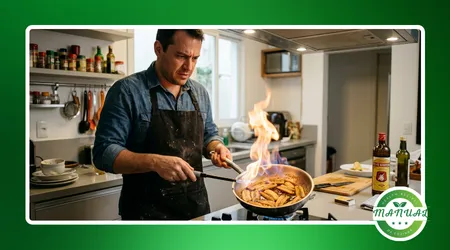
Professional flambéing tips They require refined technique, as the visual spectacle of controlled flames hides real dangers that frequently result in serious domestic accidents or dishes with a residual taste of alcohol.
Adverts
Mastering this art requires patience and chemical knowledge about the flash point of distilled spirits. Often, amateurs try to replicate the movements of renowned chefs without considering the ventilation of their home environment.
In this comprehensive guide, you'll learn the science behind fire, the ideal brews, and how to avoid classic mistakes. Check out the detailed table of contents below to navigate the essential topics of this technique.
Summary
- What are the risks of flambéing at home?
- How to choose the ideal beverage for the process?
- What is the ideal temperature for a frying pan?
- Comparative table of distilled spirits
- Recipe: Filet Mignon with Cognac Sauce
- FAQ: Frequently Asked Questions
What are the risks of flambéing at home?
Domestic kitchens rarely have the high ceilings or industrial exhaust systems found in restaurants. The biggest mistake is ignoring the proximity of wall cabinets and potentially flammable grease traps.
When we apply the professional flambéing tipsWe realized that controlling the flame depends on the angle of the frying pan. A sudden movement can spread burning liquid across the countertop, causing immediate house fires.
Adverts
Besides the physical risk of burning it, there's also the sensory risk of ruining the dish. If the alcohol doesn't evaporate completely, the dish will have a metallic bitterness that masks the original flavor of the premium ingredients.
Always keep a pot lid within reach during the cooking process. Smothering the fire is the only safe way to stop a combustion that has gotten out of control.
How to choose the ideal beverage for the process?
Not all liquids that burn are suitable for fine dining. Beverages with an alcohol content below 40% rarely sustain the necessary flame, while those exceeding 60% are extremely dangerous and volatile.
Cognac and brandy are worldwide favorites due to the aromatic complexity they impart to sauces. They possess the perfect density to burn off the alcohol while preserving the fruity essence of the distilled grape.
For desserts, Grand Marnier or orange liqueurs work exceptionally well. The residual sugar in these drinks caramelizes instantly, creating a layer of deep flavor that regular sugar could never achieve on its own.
Avoid using beer or wine for flambéing, as the volume of water will prevent ignition. These beverages are ideal for deglazing the bottom of the pan, a distinct technique that focuses on extracting flavor.
What is the ideal temperature for a frying pan?
The science of professional flambéing tips It states that the pan should be hot, but not smoking. Excessive heat degrades fats even before the alcohol is added, generating toxic chemical compounds.
Heat the protein until the surface fibers are well sealed. Only after the formation of the "flavor crust" (Maillard reaction) should you introduce the alcoholic element to initiate controlled combustion.
Many people make the mistake of pouring the beverage directly from the bottle onto the flame. This creates a "fuse" effect, which can cause the flame to rise up the spout and explode the glass container.
Technical Comparison of Beverages for Flambéing
The table below presents the essential technical data to ensure that your experience is gastronomic and not a domestic incident, respecting the safety limits of 2026.
++ Babish's Kitchen Hacks to Master Basic Recipes with Confidence
| Drink | Average Alcohol Content | Ignition Point | Flavor Profile |
| Cognac | 40% | Average | Woody and Intense |
| Aged Rum | 40% – 45% | Fast | Sweet and Spicy |
| Grand Marnier | 40% | Average | Citrus and Caramelized |
| Bourbon Whiskey | 40% – 50% | Very fast | Smoked and Vanilla |
| Vodka | 40% | Fast | Neutral (Not recommended) |
Professional Recipe: Filet Mignon with Cognac Sauce
To apply the professional flambéing tips To ensure success, prepare the ingredients in advance. Organization is the fundamental pillar that separates success from culinary disaster in your home kitchen.
++ How to use herbs in freezing spice ice cubes
Ingredients
- 500g of filet mignon medallions;
- 50ml of good quality cognac;
- 200ml of fresh cream;
- Salt, black pepper, and unsalted butter.
Method of preparation
- Season the meat with salt and pepper just before cooking.
- Heat a heavy-bottomed skillet and add a tablespoon of clarified butter.
- Sear the medallions for about three minutes on each side over high heat.
- Remove the pan from the heat for five seconds before adding the cognac.
- Tilt the pan slightly so that the steam reaches the flame (or use a long lighter).
- Wait for the flames to extinguish themselves, indicating that the alcohol has evaporated completely.
- Add the cream, reduce the heat and stir until you get a thick sauce.
What tools are essential for safety?
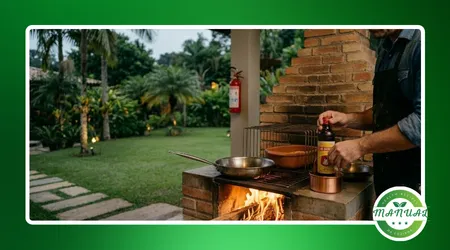
The use of stainless steel or cast iron pans is mandatory. Avoid common non-stick coatings, as the high temperatures of the flame can damage the chemical film and release fumes that are harmful to health.
Long tongs allow you to handle food without bringing your hands close to the heat source. Protecting your skin is vital, as alcohol vapor burns are deep and extremely painful, requiring medical attention.
Having a type K or ABC fire extinguisher in the kitchen is a safety standard updated for 2026. Even following the professional flambéing tipsUnexpected events happen, and being prepared saves lives and property.
Never perform this process under an air purifier running at maximum power. The airflow can pull the flames into the grease filters, starting an internal fire that is difficult to control.
When should you avoid flambéing in homemade recipes?
If you have an induction cooktop, the technique requires an external igniter, which increases the complexity. In these cases, the lack of a natural open flame makes controlling the cooking time imprecise.
Avoid flambéing if there are drafts coming from open windows. The wind can direct the fire towards curtains or dish towels, turning a special dinner into a domestic emergency.
Very small kitchens with suspended plasterboard or PVC ceilings are not suitable for this technique. The intense and sudden heat can crack paint or melt sensitive plastic finishes located above the stove.
Prioritize alternative methods, such as slow reduction of the beverage, if you lack complete confidence. The flavor will be similar, although it will lack the subtle smoky touch that only the direct combustion of sugars provides.
++ Complete guide to dried spices: paprika, curry, cumin, oregano
Conclusion
Master the professional flambéing tips It's a milestone in the journey of any gastronomy enthusiast. It's the transition from simply following recipes to understanding the chemistry of flavors and the physics of heat.
Remember that safety must precede the spectacle. An organized kitchen, the use of the correct beverages, and respect for social distancing ensure that the final result is an explosion of flavor, not flames.
Practice with small amounts of liquid until you feel completely comfortable using the flame. With persistence, your dishes will achieve a sophistication worthy of the best international restaurants, right from your dining table.
To deepen your knowledge of food safety and technical standards, consult the portal of World Health Organization for guidelines on handling food at high temperatures.
FAQ: Frequently Asked Questions
Can I flambé with any type of cachaça?
Yes, provided the cachaça is of high quality and has an alcohol content close to 40%. Very strong artisanal cachaças can generate unpredictable and dangerous flames in the home environment.
What to do if the fire doesn't go out?
Stay calm and never throw water on the pan. Place a metal lid over the pan to cut off the oxygen supply, which will extinguish the flame immediately and safely.
Does flambéing remove all the alcohol from food?
Not entirely. Although most of it evaporates, studies indicate that approximately 5% to 25% of the alcohol may remain on the plate, depending on the burning time and the surface area of the pan used.
Why did my sauce turn bitter after flambéing?
The alcohol probably didn't burn sufficiently, or you used a low-quality beverage. Another common cause is the overheating of solid residue at the bottom of the pan before ignition.