
How to use herbs in freezing spice ice cubes
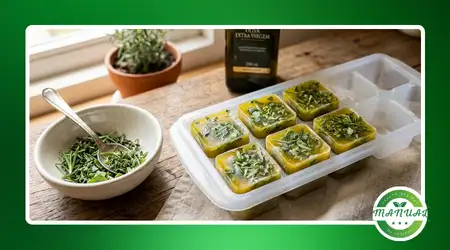
O freezing seasoning ice cubes It's the ultimate solution for those who want to preserve the freshness of herbs without wasting food in the hustle and bustle of modern life.
Adverts
This culinary technique allows you to preserve the aroma and nutritional properties of plants for months, making it easier to prepare complex recipes in just a few minutes in the kitchen.
In this comprehensive guide, we'll explore advanced methods for extracting maximum flavor from your herbs, ensuring your chilled pantry becomes a powerful ally in sustainable home cooking.
Table of Contents
- Why freeze cubed spices?
- Recipe and step-by-step preparation instructions.
- What are the best herbs for this method?
- How can I prevent leafy greens from oxidizing?
- Durability chart and combinations
- FAQ: Frequently Asked Questions
Why invest in freezing spice ice cubes?
The search for a more natural and less processed diet is driving the use of fresh herbs, but the high perishability of these ingredients is often a frustrating obstacle for many.
When using the freezing seasoning ice cubesBy doing so, you interrupt the enzymatic decomposition process, sealing the essential oils of plants within a protective matrix of fat or water.
Adverts
Unlike drying, which alters the flavor profile of herbs like basil and cilantro, ice preserves the vibrant, herbaceous notes that define haute cuisine dishes.
In addition to being practical, this technique promotes significant household savings, allowing you to take advantage of seasonal promotions or abundant harvests from your own urban garden without any material loss.
Cooking becomes a more intuitive and faster process, as each cube contains the exact portion needed to finish a risotto, flavor a roast, or enrich a homemade tomato sauce.
How to prepare the perfect spice cubes?
For professional results, select herbs that are at the peak of their vitality, preferably harvested in the morning when the concentration of volatile oils in the leaves reaches its maximum point.
The process of freezing seasoning ice cubes It begins with thorough cleaning under cold running water, followed by complete drying using paper towels or a salad spinner.
Pasta category: Recipe for open and closed esfiha dough
Recipe and Preparation Method
Ingredients Needed:
- 2 cups of chopped fresh herbs (basil, rosemary, thyme, or sage).
- 1 cup of extra virgin olive oil or melted clarified butter.
- Ice cube trays (preferably silicone for easier removal).
Method of preparation:
- Chop the herbs coarsely or finely, depending on your preferred texture for the final dishes.
- Fill each cavity of the ice cube tray with herbs until it reaches about 3/4 of its total capacity.
- Pour the olive oil or butter over the herbs, making sure all the leaves are completely submerged to avoid freezer burn.
- Place in the freezer for at least 6 hours or until the cubes are completely solid and firm.
- Remove the cubes from the mold and transfer them to airtight plastic bags, labeling them with the date and the type of herb used in the preparation.
Which herbs work better with fat or water?
Not all plants react the same way to freezing temperatures; therefore, it is essential to understand the cellular structure of each species before starting the preservation process.
Woody herbs such as rosemary, thyme, and oregano are ideal candidates for the freezing seasoning ice cubes using olive oil or coconut oil.
The fat acts as a superior thermal insulator, protecting the robust structure of these plants and facilitating the release of flavor as soon as the cube comes into contact with the hot pan.
For herbs with tender leaves, such as mint or dill, using filtered water may be preferable if the goal is to use them in specific cold drinks or finishing touches.
According to food safety guidelines of Ministry of Agriculture and LivestockMaintaining the cold chain is essential to prevent the proliferation of microorganisms in homemade preserves.
How can I prevent herbs from turning brown in the freezer?
Oxidation is the main enemy of culinary aesthetics, transforming a vibrant green into an unappetizing brownish hue after a few weeks of storage at consistently low temperatures.
To optimize the freezing seasoning ice cubesYou can quickly blanch more delicate herbs by immersing them in boiling water for just five seconds before freezing.
This thermal process inactivates the enzymes responsible for browning, although it requires extremely careful drying before adding the oil to avoid the formation of unwanted internal ice crystals.
Another advanced technique involves adding a small drop of lemon juice or ascorbic acid to the immersion liquid, creating a slightly acidic environment that preserves chlorophyll.
Always keep containers tightly sealed, as direct contact with the dry air of the freezer accelerates degradation and can cause the transfer of odors between different stored foods.
Table: Combination and Durability Guide (2026 Data)
| Aromatic Herb | Freezing Medium | Storage Time | Best Culinary Use |
| Basil | Olive oil | 6 months | Sauces, pasta and pizzas |
| Rosemary | Butter / Olive oil | 9 months | Beef and potatoes |
| Coriander | Water or Olive Oil | 4 months | Moquecas and Asian cuisine |
| Sage | Clarified Butter | 8 months | Gnocchi and white meats |
| Mint | Filtered Water | 5 months | Teas, juices and desserts |
Where can I use spice cubes in my daily life?

The versatility of this technique allows you to transform simple meals into complex sensory experiences, saving the time that would be spent chopping fresh ingredients for each new preparation.
When performing the freezing seasoning ice cubesYou create "flavor bombs" that can be dropped directly into boiling soups, where they instantly dissolve, releasing fresh aromas.
For grilling meats, simply place a cube of herb butter on the hot steak, allowing the fat to melt and penetrate the fibers evenly and succulently.
For stir-fries, a cube of olive oil with garlic and parsley serves as the perfect base, eliminating the need to peel and chop basic seasonings on demand.
This practicality is especially valuable for professionals seeking to optimize their home "mise en place," ensuring that the quality standard of meals remains high even on busy days.
How important is the choice of oil in the process?
The quality of the chosen liquid carrier directly influences not only the flavor, but also the chemical stability of the preparation during long-term storage in a home freezer.
When planning the freezing seasoning ice cubesChoose fats that have a smoke point suitable for the type of cooking you intend to do after thawing.
Extra virgin olive oil is excellent for dishes cooked to medium temperature, while neutral oils, such as grapeseed oil, better preserve the original aroma of very delicate herbs.
Avoid low-quality or highly processed vegetable oils, as they can develop rancid flavors more quickly due to the residual oxygen present in the cavities of ice cube trays.
Remember that the fat also acts as a natural preservative, coating each leaf fragment and creating a physical barrier against dehydration caused by the freezing environment of the freezer.
Category: pasta How to make a buttery pie crust
Conclusion: Sustainability and flavor in your kitchen.
Mastering the technique of preserving herbs is a fundamental step for any gastronomy enthusiast who values efficiency, freshness, and reducing waste with organic food.
O freezing seasoning ice cubes It represents the perfect union between ancestral wisdom of preservation and the practicality demanded by contemporary routines, elevating the level of your culinary creations.
By implementing this habit, you will notice a significant improvement in the depth of flavor of your dishes, in addition to enjoying a much smarter organization of your refrigerated storage space.
Try creating your own signature blends, combining different herbs and spices to develop personalized cubes that reflect your identity in the kitchen and surprise the palates of your guests and family.
To deepen your knowledge of food safety and cold preservation techniques, consult the technical publications of [Company Name]. Embrapa Food, a global leader in consumer technology.
FAQ: Frequently Asked Questions
1. Can I freeze any type of herb?
Most herbs withstand the process well, but those with more resistant leaves (rosemary, thyme) retain their texture better than extremely delicate ones (parsley, cilantro) after thawing.
2. How long can the cubes be stored?
To ensure maximum sensory quality, it is recommended to consume them within six months, although they remain safe to eat for up to one year if kept at a constant temperature below -18°C.
3. Do I need to defrost the cube before using it in the pan?
It's not necessary. The advantage of freezing seasoning ice cubes The advantage is that they can be added directly to the heat, where they melt quickly and infuse their flavor into the other ingredients of the dish.
4. Can I use regular plastic ice cube trays?
Yes, but silicone molds are more suitable because they are flexible, which prevents the fat cubes from breaking or sticking to the sides of the container during removal.
5. Does olive oil freeze completely in a regular freezer?
Olive oil solidifies at home freezer temperatures, becoming a firm, opaque mass, which is ideal for keeping herbs suspended and protected from external oxidation.
Did you enjoy these technical tips on preservation? Would you like me to create a specific guide on the best herb blends for red meat or poultry?