
Recipe for open and closed esfiha dough

Mastering the art of open and closed esfiha dough It requires technique, quality ingredients, and patience to respect the fermentation time needed at each stage of production.
Adverts
In this comprehensive guide, you will learn the chemical secrets to achieving perfect elasticity, guaranteeing a professional result that balances internal softness with a lightly golden and crispy crust.
Below, we present a detailed summary to facilitate your navigation through this technical content, developed to raise the standard of your artisanal pasta and optimize your routine in the kitchen.
Summary
- What are the essential ingredients?
- How to prepare the dough step by step?
- What is the technical difference between the folds?
- Nutritional table and yield
- How to store and freeze correctly?
- FAQ – Frequently Asked Questions
Complete Recipe for Esfiha Dough
Ingredients
- 1 kg made from type 1 wheat flour (preferably high in protein);
- 500 ml lukewarm mineral water (approximately 35°C);
- 100 ml sunflower or soybean oil;
- 2 tablespoons of refined sugar (approx. 30g);
- 1 tablespoon of refined salt (approx. 15g);
- 20g of dry active yeast (or 60g of fresh yeast);
- Fine cornmeal for dusting (only for the open version).
Step by Step Preparation Method
The secret to success lies in activating the yeast and developing the gluten. Strictly follow the order below to handle your... open and closed esfiha dough like a true expert in the pasta category.
1. Sponge Preparation (Activation)
In a small bowl, mix the yeast, sugar, and 100ml of warm water. Let it sit for 10 minutes until a thick foam forms, which ensures the yeast is active and ready.
Adverts
2. Mixing and Autolysis
In a large bowl, combine the flour and salt. Gradually add the yeast sponge, oil, and the remaining water. Mix with your hands until the flour has absorbed all the liquid.
3. The Kneading (Gluten Development)
Transfer to a clean work surface. Knead the open and closed esfiha dough for about 12 minutes. The goal is to reach the "windowpane stage," where the dough becomes smooth, elastic, and translucent when stretched.
4. First Fermentation
Place the dough in a bowl greased with a drizzle of oil, cover with plastic wrap, and let it rest in a dry place. Wait 45 to 60 minutes, or until it has doubled in size.
5. Dividing and Rounding
Gently remove the air from the dough. Divide into 50g portions and form into small balls. Let these balls rest on the counter for another 15 minutes, covered with a cloth, to relax the gluten.
6. Modeling and Supply
For the open-faced esfiha, press the center of the dough ball onto a little cornmeal, leaving the edges raised. For the closed esfiha, roll out a thin disc, place the filling inside, and seal by joining the three corners.
+ Conchiglione stuffed with cod in garlic cream sauce: sophisticated pasta for Christmas dinner.
What are the essential ingredients for the recipe's success?
To obtain a open and closed esfiha dough For high-performance products, the choice of flour is the determining factor for the correct development of the gluten network.
Preferably use type 1 wheat flour with a high protein content, as this ensures that the structure can support the weight of the filling without tearing or collapsing during baking.
Dry yeast should be activated in lukewarm water, never hot, so as not to kill the microorganisms responsible for the aeration and lightness that characterize the best traditional Arabic esfihas.
Sugar plays a crucial role not only in flavor, but also as fuel for the yeast, accelerating the production of gases that make the final texture incredibly soft and inviting.
Soybean or sunflower oil provides the necessary malleability, allowing you to easily open the discs while maintaining internal moisture even under high cooking temperatures.
How to prepare open and closed esfiha dough step by step?
Start by mixing 500g of flour with 10g of dry yeast, 30g of sugar and 10g of salt in a large bowl, ensuring that all the dry ingredients are evenly distributed.
Gradually add 250ml of warm water and 80ml of oil, kneading the mixture for about ten minutes until the surface becomes smooth, homogeneous and no longer sticky.
Leave her open and closed esfiha dough Let it rest in a warm place for 40 minutes, or until it doubles in volume, indicating that fermentation has occurred fully and healthily.
After the dough has risen, divide it into balls of approximately 50g each, rolling each one with the palm of your hand to create surface tension, which facilitates the final shaping of the product.
For the open version, use your fingertips to press the center, creating high edges; for the closed version, open a flat circle and join the ends in a triangular shape.
+ Pumpkin gnocchi recipe with butter and sage sauce.
What is the technical difference between folds and finishes?
The main distinction lies in moisture retention, as the closed esfiha retains the steam from the filling, resulting in juicier meat and a dough that absorbs these internal juices.
In the open version, direct exposure to oven heat caramelizes the surface of the filling, requiring the dough to be brushed with cornmeal on the base to ensure extra crispness.
Regardless of the format chosen, the open and closed esfiha dough It should be baked in an oven preheated to 250°C, the ideal temperature to promote rapid gas expansion without drying out.
If you opt for the closed version, brush a beaten egg yolk over the top, providing that characteristic shine of professional bakeries and increasing the visual appeal for your guests.
For open-faced pizzas, the secret of great chefs is to leave the edge slightly thicker, preventing the cheese or meat from spilling out during the boiling process in the oven.
+ How to make a buttery pie crust
Yield Table and Technical Data
Below, we have organized the technical data for a basic recipe of 1kg of flour, making it easier to plan your production, whether for family consumption or to start a small business.
| Technical Indicator | Quantity / Value | Observation |
| Total Yield | 40 to 45 units | 50g balls each |
| Kneading Time | 10 to 15 minutes | Essential for gluten |
| Rest Time | 60 minutes (total) | Divided into two stages |
| Oven Temperature | 250°C to 280°C | High and rapid heat |
| Estimated Cost (2026) | R$ 25.00 to R$ 35.00 | It depends on the filling used. |
How to store and freeze correctly without losing quality?
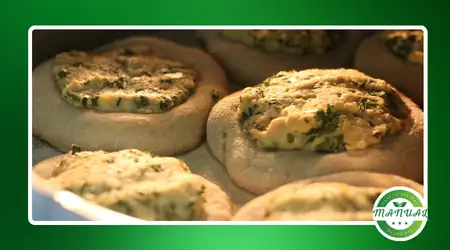
If you want to optimize your time, the open and closed esfiha dough It can be frozen both raw and pre-baked, maintaining its organoleptic properties for up to ninety days.
To freeze raw, shape the dough into balls and place them on a greased baking sheet in the freezer; after they harden, transfer them to airtight bags, removing as much air as possible before sealing.
For pre-baked items, bake for only five minutes, just to firm up the structure, let cool completely, and wrap individually in plastic wrap to prevent dehydration.
When defrosting, opt for the slow method in the refrigerator for 12 hours, allowing the fibers to regain their original elasticity without the thermal shock that could compromise the texture of the dough.
Reheating in a conventional oven is always superior to microwaving, as the dry heat restores the external crispness while keeping the interior soft, preserving the sensory experience of a fresh product.
To learn more about the chemistry of fermentation and how different types of yeast react to the Brazilian climate, consult the scientific portal of [website name/organization name]. EMBRAPA Food.
Conclusion
Master the open and closed esfiha dough It is a valuable skill that combines ancient tradition with modern baking techniques, providing unforgettable gastronomic moments for friends and customers.
By following the indicated resting times and baking temperatures, you will guarantee a standardized, safe, and authentically flavorful final product, standing out for the superior quality of your preparations.
FAQ – Frequently Asked Questions
Can I use whole wheat flour in this recipe?
Yes, replace up to 30% of white flour with whole wheat flour. Note that you will need to add a little more water, as the fiber absorbs more liquid during the hydration process.
Why did my dough become hard after baking?
This usually happens because the oven is cold or the cooking time is too long. open and closed esfiha dough It needs intense heat for a short period to avoid losing moisture.
Is it possible to substitute butter for oil?
Butter provides more flavor and a "melt-in-your-mouth" texture, but oil makes the dough more elastic and easier to roll out, making it the preferred choice for commercial purposes.
How long does the dough last in the refrigerator?
Raw dough can be kept refrigerated for up to 24 hours. After this period, excessive fermentation can generate an unpleasant alcoholic odor and compromise the flavor.
What's the best filling for beginners?
The filling of raw ground beef seasoned with lemon, tahini, and spices is a classic. The acid from the lemon lightly "cooks" the meat while it rests before going into the oven.