
How to make a buttery pie crust
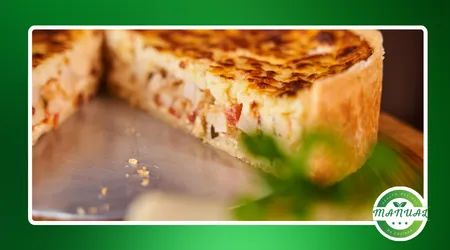
Learning how to prepare a pie crust with a buttery texture It requires technical expertise regarding the interaction between solid fats and wheat flour at controlled low temperatures.
Adverts
This practical guide reveals the culinary secrets to achieving the perfect balance between crispness and softness, guaranteeing a professional result that melts in your mouth instantly.
Browse the topics below to master the art of "pâte brisée" pastry and elevate your savory pies with exclusive tips from renowned experts.
Summary
- The Science of Buttery Texture
- Essential Ingredients for Success
- Step by Step: The Sand Technique
- How to Avoid Common Mistakes in Handling
- Table of Proportions and Yields
- Conclusion and Final Tips
Why does the temperature of the ingredients determine the buttery texture of the pie crust?
The chemical secret lies in keeping small pieces of fat intact before baking, creating microscopic layers that provide the desired lightness and intense flavor.
When butter remains cold, it doesn't fully melt with the gluten, preventing the dough from becoming elastic, hard, or excessively compact after baking.
Adverts
Using water or eggs straight from the refrigerator slows down protein activation, preserving the structural fragility necessary for the fork to glide smoothly across the golden crust.
Many amateur cooks make the mistake of over-kneading the mixture, which develops the gluten and destroys the... pie crust with a buttery texture that we seek to achieve today.
+ Meat capeletti puttanesca style
What are the essential ingredients for the perfect recipe?
The quality of the fat is the fundamental pillar; always opt for butters with a lipid content higher than 80%, avoiding margarines that contain excess water.
For a firm yet delicate texture, type 1 wheat flour should be sifted to remove lumps and facilitate the even incorporation of dry and wet ingredients.
Salt acts as a flavor enhancer, while a tiny pinch of sugar can aid in external caramelization, giving it that classic golden hue of artisanal bakeries.
Some experts recommend replacing some of the water with sour cream or plain yogurt to add a subtle acidity that breaks down the richness of the pure fat.
Step by step: How to master the sablage technique?
Start by mixing the flour and salt in a large bowl, adding the cold butter cut into small cubes to help form the initial coarse "sand" texture.
Use only your fingertips or a culinary stirrup to process the ingredients, avoiding transferring heat from your palms to the delicate and sensitive mixture.
Add the chosen liquid gradually, combining the components without pressing, until the dough forms a cohesive ball that easily detaches from the sides of the container used.
Involve your pie crust with a buttery texture Wrap in plastic wrap and let it rest in the refrigerator for at least forty minutes before rolling it out.
Expert Tip: Resting is crucial for the starch granules to hydrate properly and for molecular tensions to relax, preventing the dough from shrinking in the oven.
+ Conchiglione stuffed with cod in garlic cream sauce: sophisticated pasta for Christmas dinner.
How do I roll out and bake dough without it breaking or collapsing?
Lightly flour your work surface and roll out the dough from the center outwards, maintaining a uniform thickness of approximately five millimeters for even baking.
When transferring to the baking sheet, roll the sheet of dough onto the rolling pin itself to avoid unwanted tears that would compromise the final aesthetics of your homemade main dish.
Bake in a preheated oven at 180°C, monitoring the color until the edges appear opaque and the center is firm to the touch of a utensil.
To learn more about the physics of breadmaking and types of flour, consult the scientific portal of [website name/organization name]. EMBRAPAwhich details the properties of Brazilian grains.
Table of Ideal Proportions for Empadão (Brazilian savory pie)
| Ingredient | Quantity (Weight) | Technical Function |
| Wheat flour | 500g | Structure and basis |
| Unsalted Butter | 250g | Texture and flavor |
| Egg yolks | 2 units | Emulsion and color |
| Cold Water | 50ml to 80ml | Final hydration |
| Refined Salt | 5g | Flavor enhancement |
What mistakes ruin a buttery pie crust?
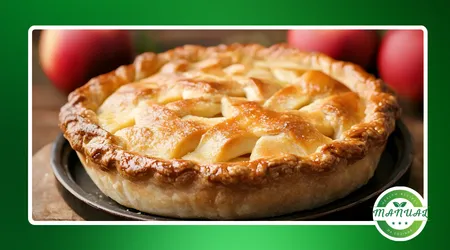
The most frequent mistake is adding too much liquid when the dough seems dry, resulting in a rubbery and heavy texture after it has completely cooled.
Try not to handle the dough in very hot environments, as the premature melting of the butter will prevent the formation of the flaky layers that define a high-quality pie.
Another critical point is the filling; it must be completely cold when it comes into contact with the raw dough so as not to "cook" the base before the intended time.
Remember to prick the bottom of the dough with a fork if you are going to pre-bake it, allowing the steam to escape without forming unwanted air bubbles at the base.
+ Easy quiche crust for savory pies
What is the importance of animal fat versus vegetable fat in baking?
Although lard provides exceptional crispness, butter wins in terms of palatability and aroma, creating a superior sensory experience for those who taste the finished dish.
Contemporary cooks often mix 80% of butter with 20% of lard to get the best of both worlds: the intense milky flavor and the structural strength of pork fat.
The choice depends on your ultimate goal, but for one pie crust with a buttery texture Authentic, the quality of dairy fat remains the absolute gold standard.
Try using artisanal or "extra" type butters to ensure a high purity level, minimizing residues that can alter the chemical behavior of your dough.
To complement your technical guide, I present the exact formula to obtain the pie crust with a buttery texture, following the strict standards of proportion and temperature discussed previously.
This recipe has been optimized to ensure that the fat does not melt during handling, resulting in a melt-in-your-mouth base that can hold generous fillings without becoming soggy.
Professional Empadão Dough Recipe
Performance: 1 large pie (25cm pan) or 20 individual pies. Preparation time: 15 minutes (+ 40 minutes rest).
Selected Ingredients
- 500g wheat flour type 1 (sifted);
- 250g unsalted butter very cold (cut into 1cm cubes);
- 2 egg yolks Large eggs (preferably free-range to add color);
- 5g of salt refined (approximately one level teaspoon);
- 50ml to 80ml of ice water (added gradually as needed).
Technical Preparation Method
- Preparation of Dry Goods: In a large bowl, mix the sifted flour and salt, creating an airy base to receive the cold fat.
- The Sand Technique (Sablage): Add the cubes of cold butter. Using your fingertips, crumble the butter into the flour until you obtain a coarse crumbly mixture with visible small pieces.
- Emulsion and Hydration: Add the egg yolks and begin incorporating the ice water, one spoonful at a time, mixing gently until the mixture begins to come together in clumps.
- Crowd: Press the dough together with your hands to form a single ball. Do not knead. The goal is simply to ensure that the dough is firm. pie crust with a buttery texture be cohesive.
- Thermal Rest: Flatten the dough into a disc (this makes it easier to roll out later), wrap in plastic wrap, and refrigerate for 40 to 60 minutes.
- Opening and Assembly: Roll out 2/3 of the dough between two sheets of plastic wrap to line the baking pan. Fill (with the filling already cold) and use the remaining dough to cover.
- Finalization: Brush an egg yolk over the top and bake in a preheated oven at 180°C for about 40 minutes or until deeply golden brown.
Conclusion: The finishing touch for a professional result.
Mastering the preparation of pie crust with a buttery texture Transform a simple dish into a delicacy worthy of the country's finest bakeries and delicatessens by 2026.
Patience during cooling and careful handling are the pillars that separate an ordinary cook from a true master of artisanal savory pastries and pies.
Practice these techniques, respect the proportions in the table, and observe how the science of cooking works in your favor in the kitchen, generating constant praise from all your guests.
Frequently Asked Questions (FAQ)
Can I substitute butter with coconut oil?
Coconut oil has a very low melting point, which makes it difficult to achieve the classic buttery texture, resulting in a more crumbly and oily dough.
How long can the dough be frozen?
You can store the raw dough, well-wrapped, in the freezer for up to 90 days, thawing it in the refrigerator 12 hours before using it in your favorite recipes.
Why did my dough shrink on the sides of the pan?
This usually happens due to over-kneading, which activates the gluten, or insufficient refrigerated resting time before placing the pie in a hot oven.
Can I use whole wheat flour in this recipe?
Yes, but only replace 30% of the white flour with whole wheat flour and add a little more liquid, as the fiber absorbs more moisture during the mixing process.
How do you know if the dough is at the right point for baking?
The dough should have a uniform golden color, and the edges should begin to pull slightly away from the sides of the baking pan, indicating the correct loss of moisture.