
Chocolate cake with brewed coffee: why coffee enhances the flavor of cocoa.
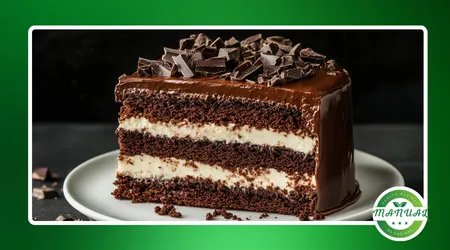
Make a chocolate cake with brewed coffee It's a culinary secret that transforms a simple recipe into a profound sensory experience, elevating the flavor notes of cocoa.
Adverts
This technique, widely validated by contemporary chefs, utilizes the aromatic complexity of the bean to balance excessive sweetness and highlight the natural robustness of high-quality chocolate.
In this comprehensive guide, we'll explore the science behind this classic pairing and how the temperature and acidity of the coffee directly influence the final texture of the baked goods.
Summary
- The science of flavor: Coffee and Cocoa
- Recipe: Chocolate cake with brewed coffee
- How does coffee alter the texture of dough?
- Table of substitutions and proportions
- Expert tips for success
- Conclusion and FAQ
How does filtered coffee intensify the flavor of chocolate?
The interaction between coffee and cocoa occurs because they both share similar chemical compounds, especially pyrazines, which are responsible for the roasted and earthy aromas that we love in desserts.
When adding the chocolate cake with brewed coffee As you explore your repertoire, you realize that the drink doesn't leave a residual coffee taste, but rather "opens" the taste buds.
Adverts
This happens because the subtle bitterness of the coffee cancels out the perception of residual sugar, allowing the fruity or almond nuances of the cocoa to shine through with much greater technical intensity.
What's the best ratio for a perfect chocolate cake with brewed coffee?
For professional results, the ideal ratio is around 200ml of coffee for every 100g of cocoa powder, ensuring hydration without compromising the structure of the dough.
Using coffee while it's still hot helps the cocoa to "bloom" (a process known as blooming), releasing essential oils that would remain trapped if we used only milk or cold water in the mixture.
The choice of bean also matters; medium-dark roast coffees have the ideal profile to complement chocolates with a cocoa content of 50% or higher, avoiding unwanted acidic notes.
+ Rustic banana pie with oat and cinnamon crust
Full recipe: Chocolate cake with brewed coffee
This recipe focuses on the extreme moisture and deep color characteristic of cakes that use hot infusion methods to efficiently enhance the dry ingredients.
Ingredients Needed:
- 2 cups of wheat flour (sifted)
- 1 cup of cocoa powder (minimum 50%)
- 1 1/2 cups brown or granulated sugar
- 1 cup of chocolate cake with brewed coffee (hot and strong)
- ½ cup vegetable oil (corn or sunflower)
- 3 large eggs at room temperature
- 1 tablespoon of chemical yeast
- 1 pinch of sea salt
Detailed preparation instructions:
- Start by beating the eggs with the sugar until you get a light and voluminous cream, making sure the sugar is completely dissolved before adding the liquids.
- Pour in the oil and the hot brewed coffee slowly, mixing with a wire whisk to avoid cooking the eggs, keeping the emulsion stable and fluid throughout the process.
- Gradually incorporate the cocoa and flour, stirring from the center outwards to avoid lumps, finishing with the baking powder and salt to enhance the natural flavors of the chocolate.
- Bake in a preheated oven at 180°C for approximately 40 minutes, or until a toothpick comes out clean, respecting the resting time before unmolding to prevent breakage.
What are the chemical advantages of using coffee instead of milk?
Replacing milk with coffee reduces the density of animal fat in the batter, resulting in a lighter, airier cake with an extended shelf life outside the refrigerator.
Furthermore, the natural acidity of coffee reacts positively with sodium bicarbonate (if used), creating carbon dioxide bubbles that help the dough rise evenly.
Why is hot coffee essential for hydrating cocoa?
When the chocolate cake with brewed coffee When the liquid is received at a high temperature, the cocoa particles dissolve instantly, eliminating that grainy texture common in cold recipes.
This thermal dissolution process ensures that each slice of cake has a uniform color and a chocolate flavor distributed evenly throughout its internal structure.
Pastry professionals claim that this technique is the dividing line between a common homemade cake and a gourmet-quality product, valued in high-end cafes.
+ Brazilian version of tres leches cake.
Comparison: Water vs. Milk vs. Filtered Coffee
| Liquid ingredient | Impact on Flavor | Dough Texture | Durability |
| Hot water | Neutral | Light/Wet | Average |
| Whole Milk | Mild/Dairy | Dense/Soft | Short |
| Filtered Coffee | Intense/Complex | Velvety | Long |
What types of coffee pair best with each type of cocoa?

If you use alkaline cocoa (Dutch process), brewed coffee helps restore some of the acidity needed to balance the palate, making the dessert much less cloying.
For dark chocolates (70% or higher), opt for coffees with caramel or chocolate notes, creating a flavor bridge that softens the potency of the cocoa without masking its identity.
Avoid artificially flavored coffees, as the chemical essence can react badly to the oven's heat, leaving a bitter or metallic aftertaste that compromises the final quality of your dessert.
How do I store the cake to preserve the coffee's moisture?
O chocolate cake with brewed coffee It retains its moisture for longer due to the oils in the coffee, but it should be stored in an airtight container to prevent oxidation.
At room temperature, it stays fresh for up to three days; if you prefer to refrigerate it, wrap it in plastic wrap so that the circulation of cold air does not dry out the delicate dough.
A golden tip is to lightly warm the slice before serving, as the heat reactivates the aromas of coffee and cocoa, providing a freshly baked cake experience.
+ Capixaba fish pie: a traditional recipe
Conclusion
Mastering the art of chocolate cake with brewed coffee It's about understanding that the kitchen is a laboratory of flavors where complementary ingredients create results that are greater than the sum of their parts.
The simplicity of a well-brewed coffee, when combined with high-quality cocoa, elevates the standard of your recipes in an accessible, intelligent, and extremely delicious way for everyone.
Try this technique in your next batch and watch how the depth of the chocolate takes on new dimensions, transforming a simple snack into a moment of pure, heartfelt gastronomy.
To deepen your knowledge of quality standards and food safety in ingredient production, visit the portal of... ANVISA.
FAQ: Frequently Asked Questions
Does the cake have a strong coffee flavor?
No, the coffee acts only as a flavor enhancer for the chocolate, without leaving the characteristic taste of the beverage evident in the final mixture after baking.
Can I use instant coffee instead of brewed coffee?
Yes, although the chocolate cake with brewed coffee For a fresher, more complex aroma, you can dissolve two tablespoons of instant coffee in hot water for a similar effect.
Does decaffeinated coffee work the same way?
Certainly, the flavor-enhancing properties are linked to the aromatic compounds and acidity of the bean, and not to the presence of caffeine in the liquid's composition.
What's the best type of pan to bake this cake in?
Cake pans with a hole in the center are ideal because they allow heat to circulate better in the center of the moist batter, ensuring that the cake bakes perfectly without being undercooked.
Can I replace sugar with culinary sweeteners?
Yes, but opt for those that can withstand high temperatures and keep the coffee warm to ensure the sweetener dissolves completely, maintaining the desired texture of the mixture.