
Chocolate cake with shiny ganache for special occasions.
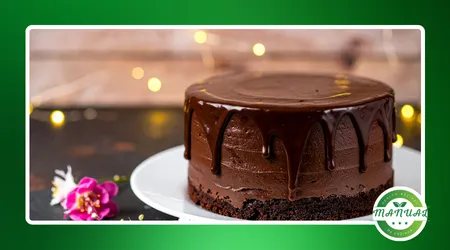
O chocolate cake with shiny ganache It carries the weight of transforming the ordinary into a celebration. Achieving that dense, almost moist texture on a surface that reflects light like glass is not luck; it's pure application of culinary technique.
Adverts
Far from being merely aesthetic, this combination balances deep sweetness with contrasting textures that seduce the palate from the very first bite. Mastering these variables ensures your next event will be memorable.
Summary
- The Science Behind Mirrored Coatings
- What's the secret to keeping a cake moist?
- Recipe Ingredients
- Step by Step Preparation Method
- Table of Proportions and Indexes
- What are the most common mistakes and how to avoid them?
- Frequently Asked Questions (FAQ)
The Science Behind Mirrored Coatings
Working with high-end pastry requires understanding how fats behave under different temperatures.
The secret to that striking, glassy shine comes from the perfect emulsion between the cocoa solids and the warmed cream.
Elements such as glucose syrup or glycerin come into play to prevent sugar crystallization, keeping the syrup malleable and uniform. Serious professionals always use a thermometer: the syrup must reach exactly 32°C for dipping.
Adverts
Avoid fractionated coatings that use hydrogenated vegetable fat, as they leave a dull, residual film in the mouth.
Choose premium chocolates, rich in genuine cocoa butter, which offer a firm texture and a satin finish.
The physics of molecular gastronomy shows that perfectly homogeneous surfaces reflect light with greater intensity.
Therefore, whisking the mixture is a common mistake; this movement traps air bubbles that ruin the smooth effect.
The chefs' big trick is to use a hand mixer kept completely submerged at the bottom of the container.
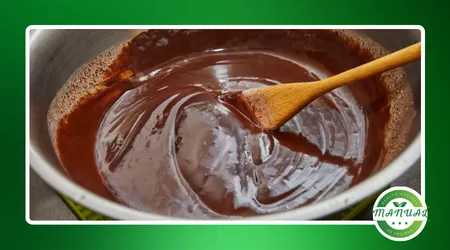
This technique grinds up the remaining particles and removes air, creating a flawless, silky, mirror-like texture.
What's the secret to keeping a cake moist?
A texture that melts in your mouth depends on the strategic substitution of butter with neutral-tasting vegetable oils.
This clever substitution preserves the softness of the dough even after the dessert has been refrigerated for hours.
Acidic ingredients, such as natural yogurt or the classic buttermilkThey act as powerful activators when combined with sodium bicarbonate.
The controlled release of carbon dioxide expands the mass without rupturing its internal walls, keeping it incredibly lightweight.
A touch of hot coffee at the end of the mixing process profoundly alters the sensory profile of the dessert without leaving a trace of its characteristic taste.
Boiling water expands the cocoa, extracting complex aromatic notes and a fascinating dark color.
The correct application of these principles enhances your value. chocolate cake with shiny ganache, raising the bar for any celebration.
Prolonged water retention keeps the cake fresh and appetizing for much longer.
Working with low-protein wheat flours prevents the unwanted development of gluten during the mixing of ingredients.
Stir the ingredients only until they are incorporated into the dough, ensuring lightness and smoothness after cooking.
Recipe Ingredients
Selecting high-quality ingredients is the first step to the success of your display dessert. Below are the exact, tested components to ensure impeccable texture and flavor.
For the Cake Batter
- 3 large eggs at room temperature
- 1 and 1/2 cups of brown sugar
- 1/2 cup (tea) of sunflower oil
- 1 cup of plain whole milk yogurt
- 2 cups of low-protein wheat flour
- 1 cup (tea) of cocoa powder 100%
- 1 cup of boiling water combined with 1 tablespoon of instant coffee
- 1 tablespoon of baking powder
- 1 teaspoon of baking soda
For the Shiny Ganache
- 300 grams of premium semi-sweet chocolate (54% cocoa)
- 200 milliliters of fresh cream (35% of fat)
- 2 tablespoons of corn glucose syrup
Step by Step Preparation Method
Setting up your work surface with all the ingredients weighed and utensils in place avoids unpleasant surprises mid-process. Use a digital scale to ensure the accuracy that delicate recipes require.
Start by beating the eggs with the sugar and oil until a light, fluffy emulsion forms. Add the yogurt and begin alternating the sifted dry ingredients to maintain a light and airy texture.
Add the boiling water to the instant coffee, mixing gently from the bottom up, avoiding incorporating air.
Finally, add the yeast and baking soda, dividing the mixture between two pre-prepared molds.
Bake in a preheated oven at 180°C for thirty-five minutes or until a toothpick inserted into the center comes out clean.
Heavy aluminum pans help distribute heat evenly, preventing raw centers or burnt edges.
Let the dough rest on a wire rack until completely cool before proceeding to assembly.
The residual heat from the cake is the number one enemy of the stability of your ganache.
For the sauce, melt the dark chocolate using a gentle double boiler or short microwave cycles, stirring constantly. Heat the heavy cream with the glucose and pour over the melted chocolate.
Use the vertical mixer to refine the mixture and wait patiently for it to reach the ideal application temperature.
The resting period ensures the correct viscosity so that the liquid runs evenly down the sides.
Place the prepared cake on a tall metal rack, with a clean tray positioned directly below to collect any excess.
++ Sicilian lemon cake with a light and fragrant glaze.
Table of Proportions and Indexes
Achieving professional results in pastry making depends directly on precision and respect for the proportions between liquids and fats. The table below details the functions and exact quantities for the success of this dessert.
++ Rustic apple and cinnamon pie in the style of a French pastry shop.
| Technical Component | Structural Function | Ratio / Quantity |
| Premium Chocolate (54%) | Flavor base and topping structure | 300 grams |
| Fresh Cream (35%) | Fluidity and essential fat content | 200 milliliters |
| Glucose Syrup | Mirror-like shine and ideal elasticity. | 2 tablespoons |
| Cocoa Powder (100%) | Intensity of color and flavor in the dough | 1 cup of tea |
| Sunflower Oil | Persistent moisture in the internal structure | 120 milliliters |
What are the most common mistakes and how to avoid them?
Melting chocolate under excessive heat burns the cocoa solids and permanently separates the fat.
Keep the water in the double boiler below boiling point to protect the valuable components of the jam.
Pouring the still-warm glaze onto a base that hasn't been cooled causes the glaze to run off too quickly.
The result will be a thin film, without sufficient opacity to hide the imperfections of the dough.
Skipping the step of sifting the dry ingredients results in small, isolated pockets of flour or cocoa in the finished cake. Take the time to do this step to ensure a perfectly smooth and uniform batter.
Rushing to cool the dessert by putting it in the freezer causes the coating to become dull due to the rapid condensation of moisture.
Allow the process to occur naturally at room temperature to preserve the mirrored appearance.
The choice of sugar type alters water retention and modifies the final softness of the baked cake. Replacing some of the refined sugar with brown sugar brings out deep notes of molasses and greater sensory richness.
Your chocolate cake with shiny ganache It will show its full potential if you respect the minimum stabilization time. Wait two hours before slicing and serving to ensure clean cuts and a perfect appearance.
++ Chocolate cake with brewed coffee: why coffee enhances the flavor of cocoa.
Closing
Professional pastry making rewards those who cultivate patience, meticulous precision, and the careful selection of each ingredient.
Carefully executing this recipe transforms the act of cooking into a true artistic expression.
The methodologies explored here serve as a foundation for you to test new combinations and develop your own style.
Constant practice sharpens your senses, making processes intuitive and the results increasingly surprising.
To deepen your understanding of food properties and safe cooking practices, consult the Ministry of HealthMaster the technique behind the flavors and create unforgettable moments around the table.
Frequently Asked Questions (FAQ)
Can I substitute fresh cream with the boxed kind?
It's possible, but the lower percentage of fat will affect the shine and velvety texture of the frosting. If using the boxed version, add a tablespoon of good quality butter.
How do I salvage ganache that curdled during preparation?
Gently warm the cream in a double boiler and add a tablespoon of cold whole milk. Mix with a hand mixer on low speed until thickened.
How long can the cake stay out of the refrigerator?
It will keep for up to six hours in cool environments away from direct heat sources. On hot days, keep the cake refrigerated, removing it thirty minutes before serving.
Can I freeze a ready-made chocolate cake with shiny ganache?
The plain cake freezes very well, but the topping suffers from the moisture of thawing and loses its shine. Ideally, the ganache should be prepared and applied fresh on the day of the event.