
Sicilian lemon cake with a light and fragrant glaze.
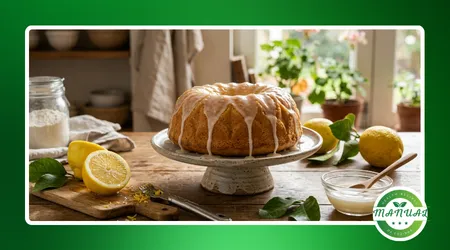
This guide teaches you how to prepare the authentic Sicilian lemon cake with glaze, combining the rigor of professional pastry-making with the intuition needed to transform simple ingredients into something memorable in the home kitchen.
Adverts
The sophistication here doesn't stem from complexity, but from the precise contrast between the vibrant acidity of the fruit and a sweetness that isn't aggressive, creating a sensory experience that goes beyond the obvious.
Browse through these lines to understand how the temperature of the butter and the granulometry of the sugar dictate the success of your baking, guaranteeing a technical result, but with soul.
Summary
- The history of Sicilian lemons in confectionery.
- The choice of ingredients: where the flavor begins.
- Nutritional table and yield
- The technique behind aerated dough
- The perfect glaze: shine and texture
- Final reflections
- FAQ – Practical Questions
The history of Sicilian lemons in confectionery.
The use of Citrus limon It carries the weight of Mediterranean traditions, where the rough rind and almost floral aroma are absolute protagonists, far removed from the acidic aggressiveness of other varieties.
Unlike the Tahiti lime — which dominates the Brazilian palate with its rustic vibrancy — the Sicilian variety offers a restrained elegance, essential for the... Sicilian lemon cake with glaze Be gentle.
Adverts
Although it arrived in the country some time ago, it was the keen eye of the new confectionery that rescued the full use of the fruit, valuing essential oils that often ended up being thrown away.
There's something almost therapeutic about the aroma that fills the kitchen when the shavings meet the heat; it's a lingering scent, lending identity to a dough that refuses to be generic.
Technical Recipe: Sicilian Lemon Cake
Dough Ingredients
- Unsalted butter: 200g (at room temperature/ointment consistency)
- Refined sugar: 360g (2 cups)
- Large eggs: 4 units (at room temperature)
- Special wheat flour: 420g (3 cups), preferably sifted
- Plain whole milk yogurt: 170g (1 jar) — the secret to extreme moisture
- Sicilian lemon: Zest of 2 units and 60ml of fresh juice
- Baking powder: 15g (1 tablespoon)
- Salt: A generous pinch to enhance the flavors.
Glaze Ingredients (Topping)
- Confectioner's sugar (icing sugar): 200g
- Sicilian lemon juice: 3 to 4 tablespoons (add gradually)
- Lemon zest: For decorating at the end.
Step by Step Preparation Method
1. Preparation and Flavoring
Preheat the oven to 180°C and grease a cake tin (with a hole in the center or a loaf tin) with butter and flour.
In a small bowl, mix the sugar with the lemon zest, rubbing it in with your fingertips until the sugar is moist and intensely fragrant.
2. The Creaming (Aeration) Method
In a stand mixer, beat the butter with the flavored sugar on medium-high speed for about 5 minutes. The goal is to obtain an almost white and very fluffy cream.
Add the eggs, one at a time, beating well after each addition to ensure that the fat and liquids emulsify perfectly.
3. The Delicate Blend
Reduce the mixer speed to the lowest setting. Add the sifted flour and salt, alternating with the yogurt and lemon juice.
Master tip: Start and finish with the dry ingredients. Do not overmix; as soon as the flour is incorporated into the batter, turn off the mixer. Finally, gently fold in the yeast with a spatula.
4. Supply
Pour the batter into the prepared pan and bake. Bake for approximately 45 to 50 minutes. Avoid opening the oven before 30 minutes have passed.
The ideal point is when the top is golden brown and, when you insert a toothpick, it comes out clean, but slightly moist.
5. Glaze Application
While the cake cools slightly (outside the oven, but still in the pan), prepare the glaze by mixing the powdered sugar with the lemon juice until it reaches a thick cream consistency.
Remove the cake from the pan and pour the syrup over it while it is still warm.
The heat will help the glaze seal the surface, creating that crisp, marbled layer as it cools. Finish with fresh zest on top.
Tasting Notes
This one Sicilian lemon cake with glaze It reaches its peak flavor about 2 hours after coming out of the oven, when the citrus notes stabilize and the topping finishes crystallizing.
If there are leftovers for the next day, the lemon flavor will be even more pronounced.
The choice of ingredients: where the flavor begins.
For a crumbly dough, fat is the key ingredient: avoid substitutes and opt for unsalted butter, which provides the necessary lipid structure for lasting moisture.
The flour needs attention; look for low-protein options to prevent the cake from becoming heavy or elastic, something that is often the fatal mistake of hasty beginners.
Refined sugar is the standard for lightness, but there's a particular charm in using a portion of fine granulated sugar, ensuring a crust that slightly resists the first touch of a knife.
Eggs at room temperature are not just a chef's whim, but a guarantee that the emulsion will not "curdle" mid-process, ruining the much-desired aeration.
+ Classic caramelized pineapple upside-down cake, easy to make.
Nutritional table and yield
These figures reflect a recipe executed with precision, yielding approximately 12 slices that balance gastronomic pleasure and nutritional awareness, without unnecessary excesses or industrial chemical additives.
+ Creamy pistachio tart, elegant pastry-style dessert
| Component | Quantity per Slice (80g) | % Daily Value* |
| Energy Value | 245 kcal | 12% |
| Carbohydrates | 32 g | 11% |
| Proteins | 4.2 g | 6% |
| Total Fats | 11 g | 20% |
| Dietary Fiber | 0.8 g | 3% |
| Sodium | 45 mg | 2% |
The technique behind aerated dough
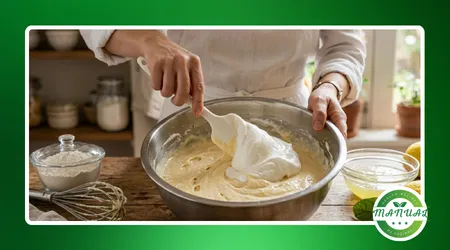
The ritual begins in creamageBeat the butter and sugar until the mixture takes on a pale color, a vital step for the stability of your cake. Sicilian lemon cake with glaze.
Add the zest now, as the fat has the almost magical ability to "trap" the aromas, allowing the lemon flavor to come out naturally from the inside out.
Gradually incorporate the eggs; this patience prevents the dough from losing stability, ensuring that the final volume in the oven is impressive and the internal texture is completely homogeneous.
The ultimate secret lies in alternating between dry and liquid ingredients, mixing just enough to integrate them, while protecting the air network created with so much effort in the previous steps.
The oven at 180°C does the rest of the work in 45 minutes, transforming that liquid mixture into a golden structure that exudes the freshness typical of the best bakeries in Europe.
The perfect glaze: shine and texture
The finishing touch is what separates the ordinary from the extraordinary: a glaze needs to be translucent enough to seduce, but thick enough not to disappear into the porosity of the clay.
Sifting the confectioner's sugar is non-negotiable; any lump can ruin the glazed finish, so add the lemon juice drop by drop, controlling the viscosity with alchemist-like precision.
The timing of application is strategic: the cake must be lukewarm so that the sugar "sticks" to the surface, creating that slightly crunchy film that gently crackles with each bite.
Some prefer the purity of white wine, but adding very fine zest on top of the moist coating reinforces the artisanal aspect and visually communicates what the palate is about to encounter.
One Sicilian lemon cake with glaze It requires a brief resting period; the sugar needs time to settle and form the barrier that will protect the dough's moisture for longer.
Strategies for preservation and freshness
Store the cake in containers that block direct airflow, as moisture is volatile and any carelessness can turn a soft slice into something dry and forgettable.
If the weather is harsh and the refrigerator is the only option, remember that cold is the enemy of butter's texture; let the cake breathe outside the refrigerator before serving.
Avoid freezing if the topping has already been applied, as thawing compromises the shine of the sugar, making it opaque and with a sticky texture that detracts from the visual appeal of the dessert.
If you need to prepare it in advance, freeze only the plain dough, well protected, and leave the glazing until the day you plan to eat it, guaranteeing that "just out of the oven" freshness.
The excellence of homemade food lies not only in the recipe, but in respecting the time each ingredient needs, from the moment it starts mixing to the last piece stored in the pantry.
+ Chocolate cake with brewed coffee: why coffee enhances the flavor of cocoa.
Final reflections
Understanding the chemistry of a Sicilian lemon cake with glaze It allows the cook to stop being a slave to mechanical steps and become the author of their own variations.
This preparation is an invitation to slow down, transforming afternoon coffee into an event where the citrus aroma serves as a prelude to conversations that unfold without any hurry.
Mastering this recipe means always having a timeless classic on hand, capable of transitioning seamlessly between everyday simplicity and the elegance of a beautifully set table.
To deepen your knowledge of food safety and quality standards in Brazil, consult the guidelines of... ANVISA, which establishes the fundamental standards for safe consumption.
FAQ – Practical Questions
Does Tahiti lime significantly alter the result?
Yes, Tahitian lime is more rustic and "sour"; Sicilian lime delivers a fragrant and less aggressive note, which is the signature elegance of this particular recipe.
Why did my glaze run and disappear?
This happens if the cake is too hot or if the glaze is too runny; patience is key to achieving the honey-like consistency that adheres to the batter.
Can I use oil instead of butter?
Yes, but the texture will change from "velvety" to "spongy," and you'll lose the milky flavor that harmonizes so well with Sicilian lemon.
How can I prevent the cake from turning bitter?
The secret is to never grate the white part of the peel; that's where the bitterness resides, which can mask the fruit's natural freshness.
What's the best drink to go with it?
An Earl Grey tea, with its bergamot notes, creates a fascinating aromatic bridge, elevating the cake to an almost professional level of tasting.