
How to make crispy homemade pizza dough
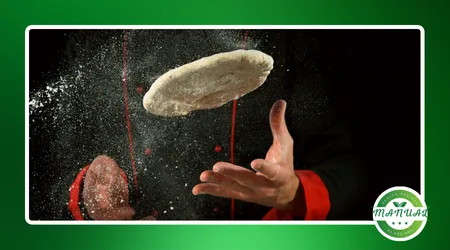
Crispy homemade pizza dough: In a relentless pursuit of culinary perfection, many venture into the art of creating the ideal homemade pizza.
Adverts
The secret to a truly memorable experience lies in the base, and that's why the columnist, a pasta expert, is dedicated to uncovering the secrets of a crispy homemade pizza dough.
Today's journey will take the reader to a universe of textures and flavors, with the promise of transforming the way you prepare and enjoy this delicacy so beloved by all.
The Beginning of the Journey: Ingredients and Fermentation
To begin our adventure, the quality of the ingredients is non-negotiable. Flour is the star, and choosing the right one makes all the difference.
High-quality flour, such as type 00, is essential. It has an ideal gluten content.
Adverts
Type 00 flour is ground more finely. This ensures a lighter, more elastic dough. It's the preferred choice among professional pizza makers.
The water, preferably filtered or mineral, should be at room temperature.
Dry yeast is practical and reliable. Salt enhances the flavor of the ingredients. Extra virgin olive oil adds flavor and texture. It also helps create a crispier base.
Fermentation is the heart of the process. Biological yeasts are time-dependent. Time allows gluten to develop. A slow fermentation process is crucial.
Slow fermentation ensures a porous, light texture. This technique prevents the dough from becoming heavy or chewy. It also improves the pizza's digestibility.
++Lemon pie with a crunchy cornstarch biscuit base
Ferment the dough for at least 12 hours in the refrigerator. The cold slows the yeast's action, but allows for a more complex flavor. It's like a fine wine; it improves with age.
Hands on: From Kneading to Shaping
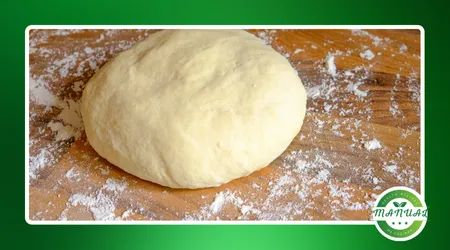
Kneading dough is a therapeutic experience. Combine the dry ingredients first. Add the water slowly. Add the olive oil last. Knead the dough for about 10 to 15 minutes.
It should be smooth and even. The ideal consistency is when the dough doesn't stick to your hands. Cover the bowl with a damp cloth. Let it rest in a warm place for an hour.
++Vegetarian lasagna recipe with eggplant and zucchini
After resting, divide the dough into portions. Each portion makes one medium pizza. Refrigerate the portions and let them rise for at least 12 hours.
After fermentation, remove the dough from the refrigerator. Let it come to room temperature. Roll the dough with your fingertips. Avoid using a rolling pin, as it can push out air.
++How to make tagliatelle with pesto sauce
Air bubbles are essential. They ensure crispness and lightness. Leave the edge a little higher. This creates the famous "cornicione."
The Secret to Crunchiness: Action and Reaction
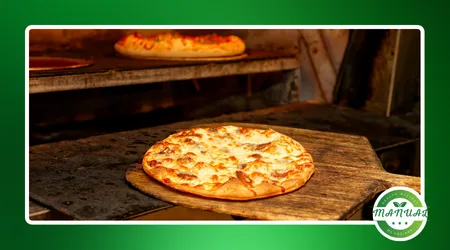
Baking is the climax of our recipe. The oven needs to be very hot. Preheat the oven to the highest temperature.
The ideal temperature is above 250°C. A pizza stone is a valuable investment. It stores heat and provides a thermal shock.
The pizza stone absorbs the oven's heat. When the dough touches the stone, it cooks quickly. This makes the pizza crust puff up and crisp. If you don't have a stone, use a preheated baking sheet.
An additional technique is to cook the pasta without the sauce. Bake the base for 3 to 5 minutes. This helps dry out the pasta. Remove from the oven, add the ingredients, and return to the oven to finish.
This is one of the great secrets to getting a crispy homemade pizza doughAnother issue is overfilling. Too much filling can make the dough soggy. Sauces that are too runny are also a problem.
Moisture is the enemy of crispiness. Use a thick tomato sauce. Avoid overdoing it. Brushing the edges with olive oil before baking improves color and flavor.
Expert tips and the science behind crunchiness
Culinary science explains why. The Maillard reaction is responsible for the golden color and the complex flavor of the crust. Intense heat accelerates this reaction.
A 2023 Massachusetts Institute of Technology (MIT) study led by food scientists demonstrated that baking temperature is the most critical factor in the formation of a crispy crust.
Research has revealed that temperatures above 250°C activate enzymes and chemical reactions that result in a porous, firm structure, avoiding a “rubbery” texture.
A crispy homemade pizza dough It is a culinary art and a precise science.
Don't add cheese to the first layers. Place the cheese on top. This protects the ingredients. But it doesn't make the dough soggy. The order of the ingredients matters.
There are different types of flour on the market. Italian type 00 is the most popular. But high-protein flours also work. The important thing is gluten development.
Did you know that 721% of Brazilians prefer to have pizza at home? This shows the importance of mastering the art. Homemade pizza can be customized. And it's also more economical.
Ingredients and Proportions Table
| Ingredient | Quantity (for 4 medium pizzas) | Function |
| Wheat flour (Type 00) | 500g | Structure and elasticity |
| Filtered water | 300ml | Hydration and gluten development |
| salt | 10g | Flavor and fermentation control |
| Dry biological yeast | 2g | Growth agent |
| Extra virgin olive oil | 20ml | Flavor and softness |
Practical Examples and Final Considerations
Imagine a Sunday night. The family is gathered together. The smell of pizza baking fills the house. The first bite of crispy homemade pizza dough It's magic. It makes a "crunch" sound in your mouth.
Like a well-performed melody, each note (ingredient) has its role. The foundation is the rhythm, the ingredients are the melody.
When the whole is harmonious, it's perfect. It's like a race car. Every component, from the engine to the tires, needs to be in sync.
Another example: when you visit a renowned pizzeria, what impresses isn't just the toppings. It's the base. It's the foundation that holds everything together. A perfect base elevates the toppings.
A crispy homemade pizza dough It's more than a recipe. It's an experience. Patience and attention to detail are key. Don't rush the fermentation process.
The result is a pizza that will surprise you. Better than many pizzerias out there. After all, why settle for an ordinary pizza when you can have a work of art?
The art of making a crispy homemade pizza dough. The secret is in every step.
Frequently Asked Questions
Can I use fresh yeast?
Yes, you can. The ratio is 3g of fresh yeast for every 1g of dry yeast. Remember to dissolve it in water before adding it to the flour.
What if I don't have a pizza stone?
Don't worry! Use a regular baking sheet. Preheat it in the oven. The important thing is to transfer heat to the dough.
What can I do to prevent the dough from sticking to the counter?
Use wheat flour or semolina. Sprinkle it on the surface before rolling out the dough. The semolina helps transfer the pizza.
Can I freeze the dough?
Yes, you can. Freeze portions in plastic wrap. Thaw them in the refrigerator a day in advance. Let them come to room temperature before using.
Can I make gluten-free crispy homemade pizza dough?
Yes, but the technique is different. Gluten-free flours don't develop the same type of network. The result is less elastic. But it's possible.