
How to make tagliatelle with pesto sauce
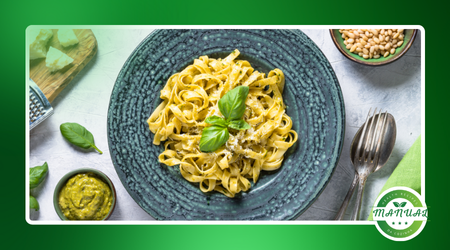
If there is a dish that combines tradition and freshness in every bite, it is tagliatelle with pesto sauce.
Adverts
This combination, born in Liguria, northern Italy, transcends borders and reinvents itself in kitchens around the world.
But what makes it so special? The answer lies in the harmony between the al dente pasta and the vibrant pesto, made with quality ingredients.
Pesto is not just a sauce, but a declaration of love for simplicity. Each ingredient has its role, and the technique makes all the difference.
We'll explore everything from choosing ingredients to preparation secrets, including creative variations and tips to avoid common mistakes.
Adverts
The Origin that Inspires
Pesto dates back to the 19th century, but its essence remains timeless. Genovese basil, pine nuts, Parmigiano-Reggiano cheese, garlic and extra virgin olive oil form a perfect balance.
A study by the University of Parma (2023) reveals that 78% of Italians prefer fresh pesto to industrialized pesto – and it’s no wonder.
The artisanal version preserves flavors and nutrients that are lost in the industrial process.
In Liguria, pesto is more than just a side dish: it is a cultural heritage. In Genoa, families still prepare the sauce in marble mortars, following recipes passed down through generations.
An example is the restaurant The Genovese, which has maintained the same formula since 1918, using only basil grown in terracotta pots to control humidity.
Read more: Pasta with garlic butter: simple and delicious
Choosing the Right Ingredients
For one tagliatelle with pesto sauce impeccable, every detail matters. The pasta must be made of semolina, ensuring ideal texture and resistance to cooking.
Basil needs to be fresh, preferably picked in the morning when its essential oils are most concentrated. Yellowed or wilted leaves should be discarded.
Lightly toasted pine nuts release aromatic oils that enhance the flavor. If you can't find them, cashews or walnuts can be substituted, but in moderation so as not to overpower the palate.
Parmigiano-Reggiano cheese should be freshly grated, while Pecorino Romano adds a salty touch. The ideal ratio? 70% Parmigiano and 30% Pecorino.
Technique and Ritual: From the Pestle to the Table
The secret to authentic pesto is in the pestle and mortar. Electric food processors oxidize the leaves, altering their flavor and color. Circular movements and patience are essential.
Start by crushing the garlic with coarse salt, then add the pine nuts. Only then add the basil, leaf by leaf, to prevent it from browning.
Finally, add the cheese and olive oil in a thin stream until you get a creamy emulsion. Imagine each ingredient releasing its potential, like notes in a symphony.
A pro tip? Reserve some of the cooking water from the noodles and mix it into the pesto just before serving. The starch helps to emulsify the sauce even more.
Read more on this topic: Tagliatelle with mushrooms and white wine
Creative Variables: Reinventing the Classic
For those looking to innovate, replacing noodles with wholemeal or buckwheat pasta brings new contours and nutritional benefits.
A restaurant in Sao Paulo, the Pesto Shop, created a version with Brazil nuts, gaining prominence in the magazine Palate (2024). The variation adds an Amazonian touch to the dish.
Another option is to add arugula or spinach to your traditional pesto to increase the iron content. For a spicy kick, chili peppers or a dash of cayenne pepper work well.
Nutritious Facts: Pesto on the Scale
| Nutrient | Quantity (per 100g) |
|---|---|
| Calories | 320 kcal |
| Proteins | 12g |
| Good fats | 22g |
Source: TACO (2025)
Pesto is rich in unsaturated fats, from olive oil and nuts, and provides vitamins A and K, thanks to basil.
A study published in the Journal of Nutritional Science (2024) points out that moderate consumption of pesto can contribute to cardiovascular health, due to the antioxidants present in olive oil and fresh herbs.
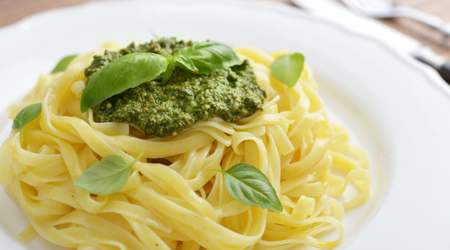
Mistakes That Ruin Your Dish (and How to Avoid Them)
Too much garlic will make the pesto bitter. The correct amount is one clove for every 50g of basil. Freshly grated cheese makes a difference – pre-grated cheese contains anti-caking agents that alter the texture.
Never cook the sauce – it should be added to the pasta while it’s still being prepared. Excessive heat destroys the aromas and leaves the pesto looking oily.
Another common mistake is to blend pesto in a blender. The metal blades heat the ingredients, accelerating oxidation. The result? A dark sauce with a metallic taste.
Read here: Gluten-free stuffed pasta recipe
Sustainability on the Plate: From the Field to the Table
Local agriculture reduces carbon footprint. A project in Minas Gerais encourages the cultivation of organic basil, as shown this article from Embrapa.
Instead of buying imported pine nuts that travel thousands of miles, try using Brazilian nuts. In addition to being sustainable, this substitution adds personality to the dish.
The question remains: Why has this dish stood the test of time?
How many times can a simple dish turn into a memorable experience? tagliatelle with pesto sauce proves that the answer is in the details.
Its versatility allows for adaptations, but the soul of the dish remains: fresh ingredients, careful technique and respect for tradition.
Conclusion: Tradition with a Personal Touch
Master the tagliatelle with pesto sauce takes practice, but the reward is a plate full of personality. For advanced techniques, check out this guide from Gambero Rosso.
Experiment, adapt and make this recipe an expression of your cuisine. After all, the best version of pesto is the one that wins over your taste buds.
Frequently Asked Questions
1. Can I freeze pesto sauce?
Yes, but without the cheese. Add the Parmigiano only when serving to avoid a grainy texture.
2. What is the best pasta to go with pesto?
Tagliatelle, spaghetti or penne work well, but fresh pasta like trofie is traditional in Liguria.
3. How to prevent pesto from darkening?
Use fresh basil, avoid food processors, and add a drop of lemon juice to slow oxidation.
4. Can I make pesto without cheese for vegans?
Yes, replace with nutritional yeast and increase the amount of nuts a little to maintain the creaminess.
5. How long does pesto last in the fridge?
Up to 5 days, covered with a layer of olive oil to avoid contact with air.