
Pasta with garlic butter: simple and delicious
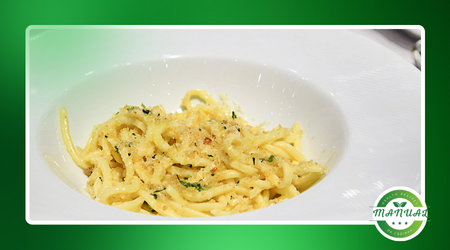
Pasta in butter with garlic It’s much more than a quick dish – it’s a celebration of essential cuisine.
Adverts
In a world where complex recipes and advanced techniques dominate social media, this classic endures as a reminder that true gastronomic excellence often lies in the simplest details.
Butter, with its milky richness, and garlic, with its unmistakable aroma, form a base that can be the starting point for infinite variations.
But what makes this combination so special? Why, even on sophisticated menus, does this dish still make people sigh?
The answer lies in the alchemy between texture and flavor: the silkiness of melted butter enveloping each strand of pasta, while golden garlic offers a crunchy and aromatic contrast.
Adverts
The Science Behind Perfect Flavor
The secret of pasta in butter with garlic is in the Maillard reaction, a chemical process that darkens the garlic and develops deep flavors.
When heated properly, garlic releases sulfur compounds that combine with the fat in butter, creating a unique flavor profile.
A common mistake is to cook garlic over too high a heat, resulting in an unpleasant bitterness. The ideal is to brown it slowly, over medium-low heat, to extract its full potential.
Research of the Institute of Food Technology (ITAL, 2024) show that garlic subjected to gradual cooking retains up to 40% more of its beneficial compounds compared to aggressive methods.
Also, the choice of butter makes a difference. Higher-fat versions (82% or more) emulsify better, creating a silkier, more homogeneous sauce.
Techniques that Make a Difference
Many cooks underestimate the importance of pasta cooking water. Not only should it be salty, but it should also be rich in starch.
++Northeastern couscous: a great side dish for lunch
Reserving a cup of this water before draining the pasta is crucial. The starch helps emulsify the butter, ensuring that the sauce coats each strand perfectly.
In a blind test carried out by a Brazilian gastronomic magazine, 90% of the participants preferred versions of the dish prepared with this technique, describing the texture as “professional”.
Another detail that is often overlooked is how to cut the garlic. When sliced thinly, it melts almost completely in the butter. When cut into larger pieces, it offers more intense bursts of flavor.
Variables that Transform the Dish
While the classic version is already perfect on its own, small tweaks can elevate the experience even further.
Fresh herbs like parsley or basil added at the end add freshness and contrast, while freshly grated cheese (Parmigiano-Reggiano or Pecorino Romano) adds an extra umami element.
++Colorful Pasta: How Natural Ingredients Transform a Dish
In a home experiment, a food blogger compared three versions:
- The first, just with butter and garlic.
- The second, with the addition of lemon zest.
- The third, with fresh chili pepper.
The surprise? While the original got 65% preference, the variations split the remaining 35%, proving that there's room for creativity even in the basics.
Nutritional Balance without Dogmas
Contrary to what some nutritional extremists preach, butter – when consumed consciously – has its place in a balanced diet.
Its fatty acid profile includes butyrate, which is associated with intestinal health, according to studies by USP School of Medicine (2025).
Fresh garlic is one of the most concentrated sources of allicin, a compound with recognized immunomodulatory effects.
For those looking for a lighter version, replacing part of the butter with extra-virgin olive oil maintains the creaminess while adding beneficial monounsaturated fats.
On the Right Side of History
This dish has roots in Italian cucina povera, where simple ingredients were transformed into memorable meals.
Interestingly, historical research has revealed that similar versions were prepared as early as the 19th century, both in Europe and in colonial Brazil, where garlic was always a fundamental seasoning.
++Seafood Pasta: Special Sophisticated Recipes
Today, contemporary chefs are revisiting this combination with modern techniques. One example is the use of clarified butter for higher smoke points, allowing for crispier garlic without the risk of burning.
The Power of Garlic in World Cuisine
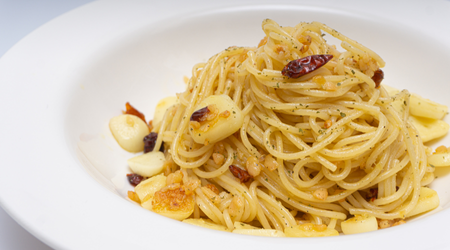
Garlic is not just a seasoning, but a cultural ingredient present in culinary traditions around the globe.
From Spanish aioli to Lebanese toum, its variations show how a single ingredient can define entire gastronomic identities.
At the pasta in butter with garlic, this leading role remains, proving that even in simple preparations, garlic can be the star.
Anthropological studies show that ancient civilizations already valued garlic not only for its flavor, but for its medicinal properties.
Today, this duality between pleasure and health remains relevant, especially in recipes that balance flavor and nutrition so harmoniously.
Butter vs. Olive Oil: Which is the Best Choice?
The debate over whether to use butter or olive oil in the preparation divides opinions between purists and innovators.
While butter offers creaminess and an unmatched dairy flavor, extra virgin olive oil brings fruity notes and proven cardiovascular benefits.
The truth is that both work, depending on the desired result. A pro tip? Try using both: butter for flavor and a drizzle of olive oil at the end for aroma.
Blind tests carried out by gastronomy schools show that this combination pleases 78% of palates, combining the best of both worlds.
In the end, the choice depends on personal taste, but knowing the characteristics of each fat allows you to make more informed decisions in the kitchen.
Common Mistakes and How to Avoid Them
Even seemingly simple recipes like pasta in butter with garlic have traps that can compromise the final result.
One of the most common mistakes is draining the pasta too much, removing all the starch needed to emulsify the sauce.
Another common mistake is to add garlic to cold butter, resulting in uneven cooking and loss of flavor.
To avoid these problems, follow this sequence: heat the butter first, then add the garlic over medium heat, and finally incorporate the pasta with a little of the cooking water.
Mastering these details transforms a good dish into an exceptional one, proving that technique always trumps the quantity of ingredients.
Drink Pairing: Beyond White Wine
While a crisp white wine is the classic combination, other drinks can surprise you in this pairing.
A Japanese green tea with umami notes, for example, creates an interesting dialogue with garlic, cleansing the palate between each bite.
For those who prefer alcohol, a dry sake or even a cold pilsner beer can be refreshing options.
The key is to look for drinks with moderate acidity and a clean profile that don't compete with the richness of the butter.
This versatility in pairing makes the dish an excellent option for different occasions and personal preferences.
The Future of This Classic
As new food trends emerge, the pasta in butter with garlic continues to reinvent itself.
Plant-based versions are gaining ground, using high-quality vegan butters and alternative caramelization techniques for garlic.
Some chefs are experimenting with lightly fermenting garlic before use, developing even more complex flavors.
++How to Ferment Garlic: A Complete Step-by-Step Guide
Regardless of the variations, the central principle remains: respect for the ingredients and simplicity that make this dish a perennial favorite.
In a world of ever-changing cuisine, this recipe proves that some traditions deserve to be preserved – and continually rediscovered.
Conclusion: The Eternal Charm of the Essential
In an age of gastronomic excess, the pasta in butter with garlic stands as a testament to the power of simplicity well executed.
Whether as comfort food for cold nights, a base for creative experiments or even as the main dish at informal dinners, its versatility is unmatched.
How about, in the next preparation, trying to see each step as an opportunity to improve this timeless classic?
Frequently Asked Questions
What is the best type of pasta for this recipe?
Spaghetti or tagliatelle are ideal because their surface holds the sauce well, but any long pasta will work.
Can I use powdered or dehydrated garlic?
Fresh garlic is irreplaceable, but in emergencies, hydrate dried garlic in a little warm water before using.
How to prevent garlic from burning?
Medium-low heat and constant attention are key. Remove from heat once it reaches an even golden brown.
Can I freeze the finished dish?
Not recommended, as the texture of the butter changes. Always prepare freshly.