
Colorful Pasta: How Natural Ingredients Transform a Dish
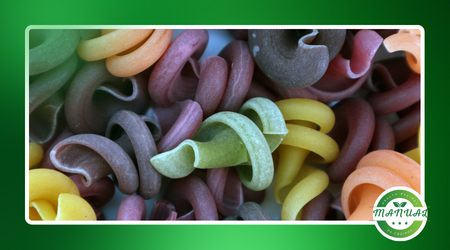
Colored pasta are revolutionizing gastronomy, not only because of their vibrant aesthetics, but also because of the nutritional and sustainable value they carry.
Adverts
Unlike industrialized versions, which use artificial coloring, these pastas come to life through ingredients such as beetroot, spinach, saffron and even squid (for an intense black color).
A study by the University of São Paulo (2023) revealed that colored pasta made with natural pigments, they contain up to 30% more antioxidants than traditional ones, in addition to being free of chemical additives.
The trend goes beyond the visual and is a response to the demand for conscious eating.
Award-winning restaurants, such as Maní (SP), have already included options such as green herb ravioli and purple beetroot fettuccine in their fixed menus.
Adverts
For chefs and nutritionists, the movement reinforces that eating well can be tasty, healthy and artistically inspiring.
This article explores the science, technique and culture behind this phenomenon, showing how colored pasta are redefining the future of cooking.
The Science Behind Colors
Each shade in colored pasta has a function that goes far beyond presentation.
The bright red of beetroot, for example, comes from betalains, pigments with proven antioxidant and anti-inflammatory action;
According to research published in Journal of Agricultural and Food Chemistry (2024).
The green color of spinach owes its color to chlorophyll, which helps detoxify the body and improves cellular oxygenation.
The yellow color of saffron, in turn, is rich in curcumin, a substance that has been studied for its neuroprotective potential.
And the purple of red cabbage or purple sweet potato contains anthocyanins, associated with a reduced risk of cardiovascular disease.
But how can you ensure that these colors remain vibrant after cooking?
Technique is crucial. Vegetables that are high in water, such as spinach, should be lightly blanched and drained before being incorporated into the dough, to prevent excess moisture from affecting the texture.
Root vegetables such as beets can be roasted to concentrate their flavor and color.
Read more: Quinoa recipes: protein-rich and flavorful options
Table: Natural Pigments and Their Benefits
| Color | Ingredient | Main Benefit | Usage Tip |
|---|---|---|---|
| Red | Beet | Antioxidants and vasodilation | Roast before processing for intense color |
| Green | Spinach or fresh herbs | Iron and chlorophyll (detox) | Scald and dry well to avoid moisture. |
| Yellow | Saffron or egg yolk | Anti-inflammatory action and rich in proteins | Use turmeric powder for greater concentration |
| Purple | Red cabbage or jabuticaba | Anthocyanins (cell protection) | Add concentrated juice for vibrant hue |
| Black | Squid ink or activated charcoal | Source of minerals and striking visual effect | Use in moderation to avoid altering the flavor. |
Affectionate and Sustainable Cuisine
To the colored pasta not only nourish the body, but also tell stories.
In regions like Italy, the use of spinach in green pasta has been a tradition for centuries, especially in the preparation of dishes like green gnocchi.
In Brazil, chefs like Rodrigo Oliveira, from Mocotó, revive ancestral recipes, such as purple noodles made with jabuticaba—a fruit typical of the Atlantic Forest that adds unique flavor and regional identity.
In addition to the cultural aspect, the production of these pastas boosts the local economy.
Family farmers provide fresh ingredients, reducing the supply chain and waste.
In Minas Gerais, cooperatives of small producers already supply restaurants with organic beets and spinach, ensuring quality from the field to the table.
For those who want to try it at home, a tip is to start with simple combinations;
Like an orange carrot pasta with a ginger and honey sauce, or a green version of pesto with chestnuts. Creativity is the limit.
Pasta Techniques colorful Perfect
Master the art of colored pasta requires attention to detail.
The balance between flour and liquid ingredients is key—too much spinach can make the dough wet and difficult to knead, while too little saffron results in a pale yellow.
The ideal proportion varies, but a basic rule is: for every 100g of flour, use 50g of vegetable puree (such as cooked beetroot) and 1 egg (optional).
Temperature also influences.
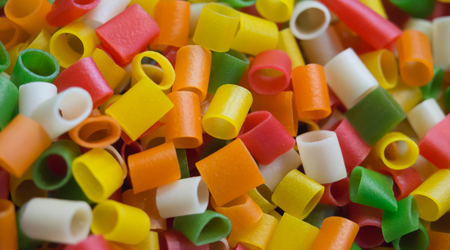
Pasta with heat-sensitive pigments, such as red cabbage, should be cooked in very boiling water for a few minutes to prevent them from fading.
Versions with activated charcoal or squid ink can withstand longer cooking without losing color.
Chefs like Paola Carosella recommend using special flours, like semolina, for firmer doughs.
“If the dough is too soft, let it rest in the refrigerator for 30 minutes before cutting,” he suggests.
+ Roasted Chickpeas with Paprika: A side dish for different occasions
Innovation and the Future: Where Can Colored Pasta Go?
Advances in molecular gastronomy are expanding the possibilities of colored pasta.
There are already experiments with seaweed for blue tones and even with coffee grounds for earthy variations.
In 2024, the Oteque restaurant in Rio de Janeiro surprised with a menu of “holographic masses“, which change color depending on the pH of the sauce, a technique that uses anthocyanins extracted from edible flowers.
Furthermore, the food industry is beginning to invest in dehydrated versions of colored pasta without preservatives, responding to the demand for convenience without sacrificing naturalness.
Conclusion
To the colored pasta represent much more than a passing fad—they are a symbol of how cuisine can be innovative, healthy, and culturally rich.
Whether it’s the visual impact, the nutritional benefits or the connection with local producers, they prove that food can be a complete experience, involving all the senses.
For those who want to explore this universe, the tip is to start simple, respecting seasonal ingredients and testing combinations.
After all, each color tells a story, and each bite can be a discovery.
Frequently Asked Questions
1. Do colored pastas taste the same as the ingredients that color them?
Not necessarily. In small quantities, the flavor of spinach or beetroot is subtle. For a more pronounced flavor, increase the proportion of the ingredient or combine it with complementary sauces.
+ Creamy Kisses: Traditional Recipe and Decoration Tips
2. Can I use natural colors in gluten-free dough? Colored pasta
Yes! Rice, chickpea and even green banana flours accept natural pigments in the same way. Adjust the hydration as needed.
3. How to prevent pasta from losing color when cooking?
Cook in plenty of boiling water for a short time (2-3 minutes). Adding vinegar or lemon juice to the water helps to set colors such as purple.
4. What are the easiest ingredients for beginners?
Beets (red) and turmeric (yellow) are the most stable. Avoid starting with red cabbage, which requires more technique.
5. Are colored pastas more expensive?
It depends. If you use seasonal vegetables and homemade produce, the cost can be the same or less than that of traditional artisanal pasta.