
Northeastern couscous: a great side dish for lunch
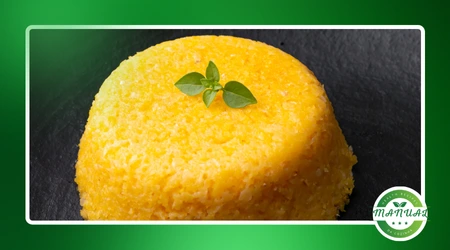
O northeastern couscous It is not just a side dish; it is a symbol of cultural resistance, an explosion of flavors and a testament to the gastronomic richness of the Brazilian Northeast.
Adverts
While many modern dishes come and go on social media, it remains, reinventing itself without losing its essence.
But what makes this simple dish such a popular choice at the table? The answer lies in its history, its versatility and its adaptability.
Whether it's breakfast, lunch or dinner, northeastern couscous adapts to different occasions without losing its rustic charm.
And make no mistake: behind the simplicity, there is a refined technique.
Adverts
From choosing the corn to the ideal steaming point, every detail matters.
Want to understand why this dish conquered Brazil and how it can elevate your meal? Let's dive into this journey.
Roots and Relevance: Why Has Northeastern Couscous Withstood Time?
The story of northeastern couscous begins long before Portuguese colonization.
Influenced by indigenous corn preparation techniques and later adapted by Africans, it became one of the pillars of regional food.
Unlike Moroccan couscous, which is made from wheat semolina, ours is prepared with corn flakes, steamed and seasoned with local ingredients.
This adaptation was not by chance: corn was abundant in the Northeast, while wheat had to be imported.
According to the IBGE, 781,000 people in the Northeast eat couscous at least once a week. This data reveals not only a dietary habit, but an emotional relationship with the dish.
In cities like Salvador and Recife, couscous is so common that it has become a character in popular stories and sayings.
“If you don’t have couscous on your plate, you’ll have it in your conversation,” says a local proverb.
++Recipes for those who live alone and want practicality
And even with the modernization of cuisine, it has not lost its place. Contemporary restaurants are giving it new meaning, proving that tradition and innovation can go hand in hand.
Nutrition Disguised as Flavor: The Benefits of Northeastern Couscous
Rich in fiber and complex carbohydrates, the northeastern couscous offers sustainable energy, ideal for starting the day or replenishing your energy at lunch.
Compared to French bread, it has a lower glycemic index, avoiding insulin spikes and keeping you feeling full for longer. This makes it a smart option for those looking for a balanced diet.
A study of the UFBA reveals that its combination with proteins (such as eggs, cheese or dried meat) improves the absorption of nutrients, enhancing their benefits.
| Nutrient | Quantity (100g) |
|---|---|
| Carbohydrates | 23g |
| Fibers | 2.5g |
| Proteins | 3g |
Furthermore, couscous is naturally gluten-free when made with pure corn, making it an alternative for celiacs.
++How to make white pudding with plum sauce
And it doesn't stop there: its wholegrain version, made with unrefined corn flakes, further increases the fiber content, helping with intestinal function.
Versatility That Conquers Palates: From Classic to Gourmet
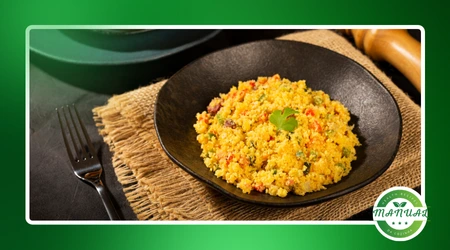
In Recife, it is common to find it with charque and coalho cheese.
In Bahia, scrambled eggs and local butter dominate the recipes. In the backlands, rice couscous arises as a creative variation.
Imagine a dish that can be sweet (with condensed milk and coconut) or savory (with sun-dried meat and cream), simple or sophisticated.
This flexibility explains why it remains on the Brazilian menu.
++Vegetarian Baião de Dois: Complete Recipe for You!
In São Paulo, renowned chefs have already incorporated it into gourmet versions, such as black couscous with shrimp and passion fruit sauce.
What other food adapts so well to different contexts without losing its identity?
From Wood Stoves to Electric Pans: The Evolution of Cooking
In the past, a clay couscous pot was indispensable. The corn was moistened, seasoned and steamed, in an almost ritualistic process.
Today, electric cookers and even microwaves make preparation easier, but the steaming technique remains sacred. After all, it is what guarantees the fluffy and moist texture that defines good couscous.
At street markets, you can still find aluminum couscous pots being sold alongside fresh seasonings. Proof that some traditions resist modernity.
A Dish That Brings People Together: Couscous as a Collective Experience
At street markets, couscous is sold in banana leaves, maintaining indigenous tradition. In restaurants, it becomes the main attraction.
It doesn't just nourish the body, but also the emotional memory. Who hasn't remembered their childhood when smelling fresh couscous?
At June festivals, it is a mandatory item. At breakfast tables, it becomes a reason for gatherings.
The Future of Couscous: Between Tradition and Innovation
Renowned chefs are reinventing it, such as quinoa couscous with a touch of coconut or a vegan version with nut milk.
But can adaptations coexist with the original recipe? The answer seems to be yes.
While some purists defend the traditional preparation, others embrace the new possibilities. The important thing is that northeastern couscous stay alive, whatever the form.
How to Make the Perfect Northeastern Couscous at Home
Want to try it? The secret is in the balance: not too dry, not too soggy.
Use good quality corn flakes, moisten with water or milk, season with salt and steam for about 15 minutes.
For an extra touch, add some local butter or grated cheese before serving.
Northeastern Couscous in Popular Culture: Music, Literature and Festivals
O northeastern couscous transcends cuisine and becomes a cultural element. In music, composers such as Luiz Gonzaga and Dominguinhos have already paid homage to the dish in nostalgic verses.
“With couscous and coffee, life becomes happier”, hums an old song from the backlands.
In literature, writers such as Graciliano Ramos and Jorge Amado portrayed couscous as a symbol of northeastern resistance.
++How to make the best cold cuts board: ideas, combinations and tricks
At regional gastronomic festivals, such as “Cuscuz da Bahia”, traditional chefs and cooks compete to see who can prepare the most authentic version.
This healthy competition proves how the dish keeps the region's cultural identity alive.
Northeastern Couscous in the Local Economy: From Small Producer to the International Market
The artisanal production of corn flakes for couscous boosts the economy of small communities.
In cities such as Campina Grande (PB) and Feira de Santana (BA), family farming cooperatives found a sustainable source of income in the product.
Interestingly, the northeastern couscous began to gain space abroad. Brazilian restaurants in Lisbon, Paris and New York included adapted versions on their menus.
In 2024, a startup from Pernambuco even launched a “couscous kit” for export, with organic corn flakes and preparation instructions in three languages.
This movement shows how tradition can be transformed into economic opportunity.
Conclusion: More Than a Follow-up, an Identity
O northeastern couscous It’s not just part of the meal; it’s a legacy. It proves that simplicity can be sophisticated, and that tradition can coexist with innovation.
Try. Remember. Reinvent.
Frequently Asked Questions
1. Is northeastern couscous fattening?
It depends on the accompaniment. Plain, it is a light option, but combinations with fatty cheeses or condensed milk increase the calories.
2. Can I make couscous without a couscous maker?
Yes! A sieve over a pot of boiling water works as an alternative.
3. What is the difference between couscous from the Northeast and from São Paulo?
The northeastern version is made with corn, while the São Paulo version uses wheat flour and other ingredients, such as fish and hearts of palm.