Tagliatelle with mushrooms and white wine
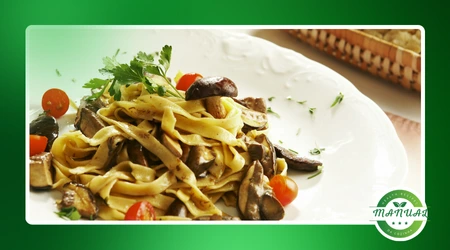
Tagliatelle with mushrooms and white wine It's much more than just pasta with sauce—it's a celebration of textures, aromas and flavors that dialogue perfectly.
Adverts
In 2025, with the growing appreciation of dishes that combine sophistication and practicality, this recipe is consolidating itself as a modern classic, capable of pleasing both demanding chefs and home cooks in search of memorable meals.
But what makes this combination so special? The answer lies in the harmony between the umami of the mushrooms, the balanced acidity of the white wine and the al dente pasta, which absorbs every nuance of flavor.
Let's explore, in detail, how to master this recipe, its most creative variations and the nutritional benefits that make it a smart choice for those looking to eat well without sacrificing pleasure.
The Science Behind the Flavor: Why Do Mushrooms and White Wine Complement Each Other?
The secret to the magic of this dish lies in the chemistry of the ingredients. Mushrooms, especially shiitake and porcini mushrooms, are rich in natural glutamate, the compound responsible for the fifth basic taste: umami.
Adverts
When paired with white wine—preferably a dry Sauvignon Blanc or Chardonnay—their acidity brings out the depth of flavor, while the alcohol helps extract volatile aromatic compounds from the mushrooms.
A study published in the Journal of Culinary Science (2024) showed that the addition of white wine to mushroom-based sauces increases the perception of taste complexity by 27%, compared to non-alcoholic versions.
But be careful: the type of wine makes a difference. Very sweet wines, such as Gewürztraminer, can make the dish cloying, while very acidic options, such as Pinot Grigio, require adjustments to the balance of the sauce.
The Chef's Touch (Tallarini with mushrooms and white wine)
At the restaurant Oyster, in Lisbon, chef João Pereira finishes the dish with a reduction of white wine and homemade vegetable stock, creating a silky sauce that perfectly envelops the tagliatelle.
++Colorful Pasta: How Natural Ingredients Transform a Dish
Once at home, an accessible trick is to add a spoonful of cold butter at the end, a technique known as assembly with butter, which emulsifies the sauce and adds shine.
Mastering the Technique: From Preparing the Mushrooms to Getting the Dough Just Right
Many people make the mistake of cooking mushrooms too quickly, resulting in a rubbery texture and underdeveloped flavors.
The correct way is to sauté them over medium-high heat until they release water, evaporate all the liquid and only then brown them in olive oil or butter.
White wine should be added after this step, to deglaze the bottom of the pan and capture the background (succulent caramelized residues).
As for the noodles, the ideal is to cook them for 1 minute less than indicated on the packaging and finish them in the sauce, so that they absorb the flavors better.
Common Mistakes (and How to Avoid Them)
- Excess garlic: It burns easily and makes the dish bitter. Add it at the end of the sautéing.
- Wet mushrooms: Dry them well before cooking to ensure perfect browning.
- Poor quality wine: If it's not good to drink, don't use it in food.
Nutrition and Sustainability: A Dish Aligned with 2025 Trends
In addition to being delicious, the tagliatelle with mushrooms and white wine is nutritionally balanced. Mushrooms are a source of plant-based protein, fiber, and vitamin D—especially when exposed to sunlight before consumption.
White wine, in moderation, contains polyphenols such as resveratrol, which are associated with cardiovascular health.
++Seafood Pasta: Special Sophisticated Recipes
From an environmental point of view, mushrooms have a carbon footprint up to 20 times smaller than beef, according to data from Food and Agriculture Organization of the United Nations (FAO).
Preparing this dish is like composing a song: the mushrooms are the bass, the white wine the treble, and the noodles are the melody that unites everything. If one element fails, the harmony is lost.
Innovations and Variations: How to Customize the Recipe
For those looking for a contemporary touch, try:
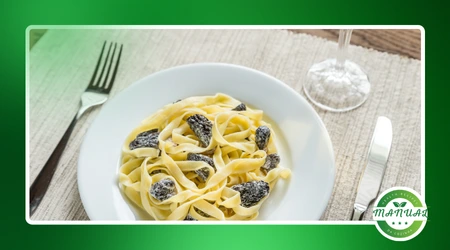
- Wild mushrooms: Like morels or black truffles (in small quantities).
- Orange wine: A Georgia qvevri adds intriguing oxidative notes.
- Citrus touch: Yuzu lemon zest at the end refreshes the palate.
Creative Example
In New York, the pop-up “Umami Lab” serves a version with konjac noodles (zero carbs) and white wine sauce with white miso, proving that even restrictive diets can enjoy the essence of the dish.
The Perfect Balance: Tips for Wine Pairing
Choosing the right white wine to accompany a dish is just as important as preparing it. A full-bodied Chardonnay with notes of vanilla and butter complements more robust mushrooms like portobello.
A fresh Sauvignon Blanc with vibrant acidity cuts through the richness of the sauce and cleanses the palate between bites. For those looking for something bold, a dry German Riesling brings minerality that enhances the earthy flavors.
++Brown rice vs. white rice: what are the differences for your diet?
Remember: the golden rule is to serve the same wine used in the preparation – this way, you ensure a harmonious experience from start to finish.
The Finishing Touch: Herbs and Aromas that Transform
Never underestimate the power of fresh herbs in a finishing touch. A handful of freshly chopped parsley adds freshness, while thyme brings out the earthy notes of mushrooms.
For an interesting contrast, try tarragon leaves, which add a light aniseed note. If you prefer a more intense aroma, a pinch of freshly grated black truffle takes the dish to another level.
These little details make all the difference between an ordinary recipe and a memorable gastronomic experience.
Remember to always add the herbs at the end of preparation to preserve their essential oils and delicate flavors.
For advanced techniques, visit the Mushroom Council Catalogue.
Detailed Nutritional Data
| Component | Tagliatelle (100g) | Mushrooms (100g) | White Wine (100ml) |
|---|---|---|---|
| Calories | 131 kcal | 22 kcal | 82 kcal |
| Carbohydrates | 25 g | 3.3g | 2.6 g |
| Proteins | 5 g | 3.1 g | 0.1 g |
| Fats | 1 g | 0.3 g | 0 g |
Source: Brazilian Food Composition Table (2024)
Conclusion: A Dish that Tells Stories
Tagliatelle with mushrooms and white wine transcends passing trends. It is an invitation to cook with attention, explore ingredients and, above all, share moments at the table.
Want to master it once and for all? Start with fresh mushrooms, a quality wine and the knowledge that even if your first attempt isn’t perfect, every mistake is a step forward in your culinary journey.
Frequently Asked Questions
1. Can I replace the white wine with another liquid?
Yes, vegetable broth or even water with a spoonful of apple cider vinegar can work, but the flavor will be less complex.
2. How to store fresh mushrooms?
In a paper bag in the refrigerator for up to 5 days. Never in plastic, as it retains moisture and accelerates rotting.
3. What is the best type of noodles?
Fresh cooks faster and absorbs the sauce better, but dried works just as well if finished properly.
4. Can I freeze the finished dish?
Not recommended. Frozen pasta loses texture, and mushrooms become watery when thawed.
5. Are there vegan versions?
Yes, replace the butter with olive oil or coconut butter, and use a vegan white wine (not clarified with albumin).
Now it's your turn: which variation will you test first?