
Brown rice vs. white rice: what are the differences for your diet?
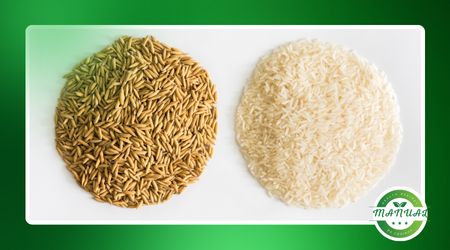
Brown rice vs. white rice – this is one of the most common decisions in the kitchen, but it has profound impacts on health.
Adverts
While one preserves essential nutrients, the other undergoes industrial processes that alter its composition. But is one better than the other?
The answer is not so simple. It all depends on your goal: glycemic control, muscle gain, digestion or simply taste.
In this article, we dive into the nutritional differences, benefits, drawbacks, and myths surrounding these two types of rice.
Based on scientific research and up-to-date analysis; (including data from Harvard School of Public Health and of the World Health Organization), let’s find out which of them deserves space on your plate – and in which situations.
Adverts
1. The Process That Defines the Two Types of Rice
O brown rice It is the grain in its most natural form. It maintains the bran (outer layer) and the germ, where fiber, B vitamins and minerals such as magnesium and zinc are concentrated.
Already the white rice It goes through a polishing process that removes these layers, leaving only the endosperm – basically starch and simple carbohydrates.
This structural difference explains why one is considered “whole” and the other “refined”.
But there is one detail that is rarely discussed: enriched white rice. In some countries, it has synthetic nutrients added to it to compensate for losses.
In Brazil, this practice exists, but it is still poorly regulated.
Practical example: If you cook brown rice and notice that it takes longer to cook, it is precisely because of the preserved fibers and layers.
White absorbs water faster, becoming soft in less time.
Read more about: How to do mise en place and speed up recipes
2. Nutrients: What Does Each Version Offer?
The nutritional difference between brown rice vs white rice is significant. While the first is a complete source of micronutrients, the second loses some of them during processing.
| Nutrients (per 100g) | Brown Rice | White Rice |
|---|---|---|
| Fibers | 1.8g | 0.4g |
| Magnesium | 43mg | 12mg |
| Vitamin B6 | 0.3mg | 0.1mg |
| Glycemic Index (GI) | 50 (low) | 73 (high) |
Magnesium, present in greater quantities in whole wheat, is essential for muscle and nerve functions. Vitamin B6, also more abundant in whole wheat, helps with energy metabolism.
Relevant data: According to a study published in British Medical Journal (2024), regular consumption of whole grains (such as brown rice) is associated with a 11% lower risk of cardiovascular disease.
3. Health Impacts: Which is Best for You?
O brown rice It has a lower glycemic index (GI), which means it releases energy slowly and steadily.
This prevents blood sugar spikes, making it a smart choice for diabetics and those looking to control their weight.
Already the white rice, because it is quickly digested, it can make you feel hungry more quickly.
However, it has its place: athletes in the post-workout recovery phase can benefit from this rapid absorption to replenish muscle glycogen.
+ Recipe for rice with sautéed broccoli and carrots
Real example: A marathon runner may include white rice after long workouts for efficient recovery, while a person with insulin resistance should prioritize brown rice.
If whole wheat is so superior, why does white still dominate supermarket shelves? The answer involves cultural habits, cost and even texture preference.
4. Sustainability and Flavor: Beyond Nutrition
O brown rice It requires more water during cooking, but its production tends to be less harmful to the environment, as it avoids industrial polishing steps.
On the palate, whole wheat has an earthy flavor and firmer texture, while white wheat is neutral and soft. This difference can be decisive when choosing which one to use in recipes.
Compare brown rice vs white rice It's like choosing between rye bread and French bread. One is more nutritious, the other pleases the traditional palate.
+ How to make flavorful steamed vegetables
5. How to Include Each Type in Your Diet
- Brown rice: Ideal for salads, bowls, vegetable stews and dishes that require more body.
- White rice: It pairs perfectly with rich sauces, such as a Thai curry or a creamy risotto.
One poke bowl with brown rice it gains crunchiness and nutritional value. Meanwhile, loose white rice is perfect for tripe or feijoada.
6. Myths and Truths About Brown Rice vs. White Rice
- Myth: “Brown rice is less fattening.”
True: Both have similar calories. The difference is in satiety and glycemic index. - Myth: “White rice has no nutrients.”
True: It loses some of it in processing, but still provides quick energy.
Conclusion: Which One Is Worth It?
There is no absolute winner in the dispute brown rice vs white rice. It all depends on your goal, lifestyle and preferences.
If you are looking for glycemic control and more nutrients, whole grains are the best option. If you need quick energy or have digestive restrictions, white grains may be useful.
The secret is in the balance. How about alternating between the two? This way, you enjoy the benefits of each one without sacrificing flavor.
Brown Rice: An Ally for Intestinal Health and Longevity
O brown rice It goes far beyond being a simple source of carbohydrates – it is a functional food that directly benefits the digestive system and health as a whole.
Its richness in insoluble fiber (around 1.8g per 100g) stimulates intestinal transit, preventing constipation and reducing the risk of diseases such as diverticulitis.
Furthermore, recent studies associate its regular consumption with improvements in intestinal microbiota, thanks to the natural prebiotics present in the grain's bran.
These fibers also help reduce cholesterol absorption, contributing to cardiovascular health.
Another little-known benefit is the presence of phenolic compounds with antioxidant action, which combat cellular aging.
Unlike white rice, which is quickly converted into glucose, brown rice is digested slowly, keeping you feeling full for longer and avoiding insulin spikes.
A crucial factor for those seeking weight control or diabetes prevention.
Its complete nutritional profile, with magnesium, zinc and B vitamins, makes it a smart choice for those who prioritize preventative nutrition.
How about trying versions like red or black wholemeal, which bring even more benefits?
Frequently Asked Questions
1. Is brown rice more expensive than white rice?
Yes, in general, whole grain has a higher cost due to less processing and smaller production scale.
2. Can I eat white rice without guilt?
Yes, as long as it is part of a balanced diet. Combining it with fiber (beans, legumes) helps reduce the glycemic impact.
3. Is brown rice better for weight loss?
Indirectly, yes. Its fibers increase satiety, helping to control calorie intake.