How to do mise en place and speed up recipes
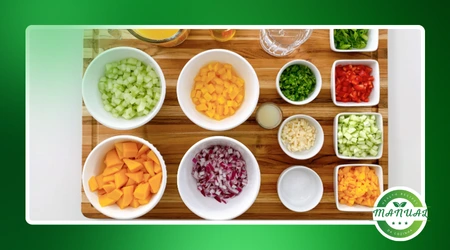
Mise en place It’s not just a French technique—it’s philosophy. Those who master this method cut, measure, and organize ingredients before they begin, saving time and precision.
Adverts
Imagine a conductor conducting an orchestra: each instrument in the right place at the right time. In the kitchen, harmony comes from strategic preparation.
A study of the Harvard Business Review (2024) reveals that professionals who adopt organization systems reduce task execution time by 30%.
In gastronomy, this principle translates into mise en place, avoiding rushing and mistakes.
But why is this technique so revolutionary? Because it eliminates unnecessary improvisation. When you have everything at hand, the act of cooking becomes fluid, almost meditative.
Adverts
Great chefs, like Thomas Keller, say that culinary excellence begins before the stove is even turned on.
Want to find out how to apply this to your daily life? Let's uncover every detail.
Why Does Mise en Place Make All the Difference?
Cooking without planning is like driving without a map. Missing ingredients, unbalanced seasonings and stress taking over. When everything is pre-prepared, the focus is on flavor and technique.
Renato Caleffi, chef at The Manjue, states: "THE mise en place is the basis for consistent dishes. Whoever ignores it, loses control.” It’s not just about efficiency—it’s about respecting the process.
In addition, the technique reduces waste. How many times have you opened the refrigerator and found a forgotten tomato, now unfit for use?
With the mise en place, you can see all the ingredients before you start, avoiding unnecessary purchases and spoiled food.
Another little-discussed benefit is security.
Loose knives, overheated pans, and spilled oil are common hazards in disorganized kitchens.
++Recipe for rice with sautéed broccoli and carrots
When every tool has its place, accidents decrease dramatically.
From Professional to Homemade: How to Apply it in Practice?
A classic example: when preparing a risotto, having the chopped onion, measured wine and grated cheese in advance prevents the rice from burning while you are looking for ingredients.
Another case is naturally leavened bread, where precision in measurements defines the result.
But how do you get started? First, read the entire recipe before touching any utensils. Write down the ingredients and the order in which they should be prepared.
++Asian cuisine: 5 ingredients that transform your recipes!
Then, separate everything into small portions. If a recipe calls for “2 cloves of garlic, minced,” don’t wait until the last minute—prepare it ahead of time and leave it in a bowl.
| Stage | Action |
|---|---|
| Recipe reading | Write down ingredients and utensils |
| Separation | Group by order of use |
| Preparation | Cut, weigh and organize |
For more complex dishes, such as a beef bourguignon, O mise en place is even more crucial.
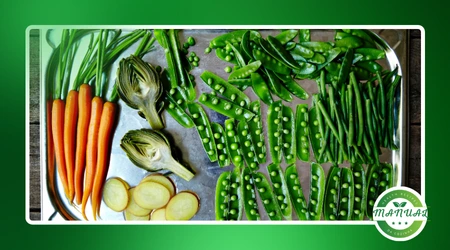
Evenly cut meats, washed vegetables and separated herbs ensure that no step is overlooked.
Common Mistakes (and How to Avoid Them)
Many people think that this process is a waste of time. They are wrong. Skipping this step leads to duplication of work.
Another mistake is leaving everything exposed, causing contamination or drying out. Use airtight containers.
A common mistake is not considering the time required for each preparation. If a recipe calls for caramelized onions (which take 20 minutes) and sautéed garlic (which burns in seconds), it is essential to have both ready in the correct sequence.
++Sustainable Cooking: How to Reduce Waste with Practical Recipes
Another mistake is to ignore cleaning during the process. Keeping the countertop free of residue is part of the mise en place. A bowl for discarding peels and a damp cloth nearby will speed up the flow.
Tools That Make the Process Easier
Colored cutting boards (prevent food from crossing over), digital scales and stainless steel bowls are allies. Sites like Serious Eats and BBC Good Food offer advanced guides.
Sharp knives are a must. A sharp cleaver will cut through tomatoes without crushing them, while a versatile chef’s knife will speed up the chopping process. Invest in quality—bad tools will slow down the process.
Ingredient organizers, such as ramekins and small jars also make a difference. They avoid confusion between spices and keep everything visible.
For those who cook at home, trays with dividers can be an affordable solution.
Adapting for Small Kitchens
Short on space? Organize vertically. Magnetic knife racks and utensil hooks free up counter space. mise en place fits any reality.
In apartments where every inch counts, opt for smart storage. Drawers with dividers for spices and wall-mounted pot racks keep everything accessible without taking up valuable space.
Another tip is to work in stages. If your countertop is small, prepare some ingredients in advance and store them in containers. That way, you don’t have to have everything on display at once.
The Chefs' Secret (mental mise en place)
In addition to the physical organization, there is the mental mise en place. Before you start, visualize each step. This will avoid surprises, such as discovering that an ingredient is missing halfway through preparation.
Ask yourself:
- Are all the ingredients on hand?
- What is the exact order of preparation?
- Are there any steps that can be done in advance (like preheating the oven)?
This mindset is what separates beginner cooks from experienced ones.
Conclusion: Less Chaos, More Flavor
Master the mise en place It's like learning to breathe before you can sing. Fluency comes with practice. Have you ever tried cooking with this method? The difference is undeniable.
Start with simple recipes, like an omelet or pesto, and watch how the process becomes more intuitive. Over time, you’ll naturally apply the technique to more elaborate dishes.
Remember: cooking should be enjoyable. mise en place doesn’t stifle creativity—instead, it frees you to focus on what really matters: flavor.
Frequently Asked Questions
1. Does mise en place really save time?
Yes. Although it may seem like an extra step, it avoids back and forth during preparation, reducing the overall time.
2. Can I use this technique on sweets?
Absolutely. Measuring flour, sugar, and eggs in advance is essential for perfect desserts.
3. How not to forget any ingredients?
Follow the recipe exactly the first time. With experience, you will create your own mental checklist.
4. Is it worth investing in expensive utensils?
It's not necessary. Start with the basics and acquire better tools as you need them.
5. What if I don't have space to organize everything?
Get creative. Removable trays and vertical storage are great allies.
This guide was written to transform your relationship with cooking. Try it out mise en place today and feel the difference!