
Asian cuisine: 5 ingredients that transform your recipes!
Asian cuisine is synonymous with diversity, balance and an explosion of flavors.
Adverts
In this way, from subtle aromas to spicy touches, it delights palates and challenges cooks to experiment with unusual combinations.
For food lovers, knowing the key ingredients of this cuisine is essential to recreate authentic and surprising dishes.
Here, we explore five ingredients that not only enhance, but transform any recipe into an Asian culinary masterpiece.
1. Soy Sauce: The Liquid Gold of Asia
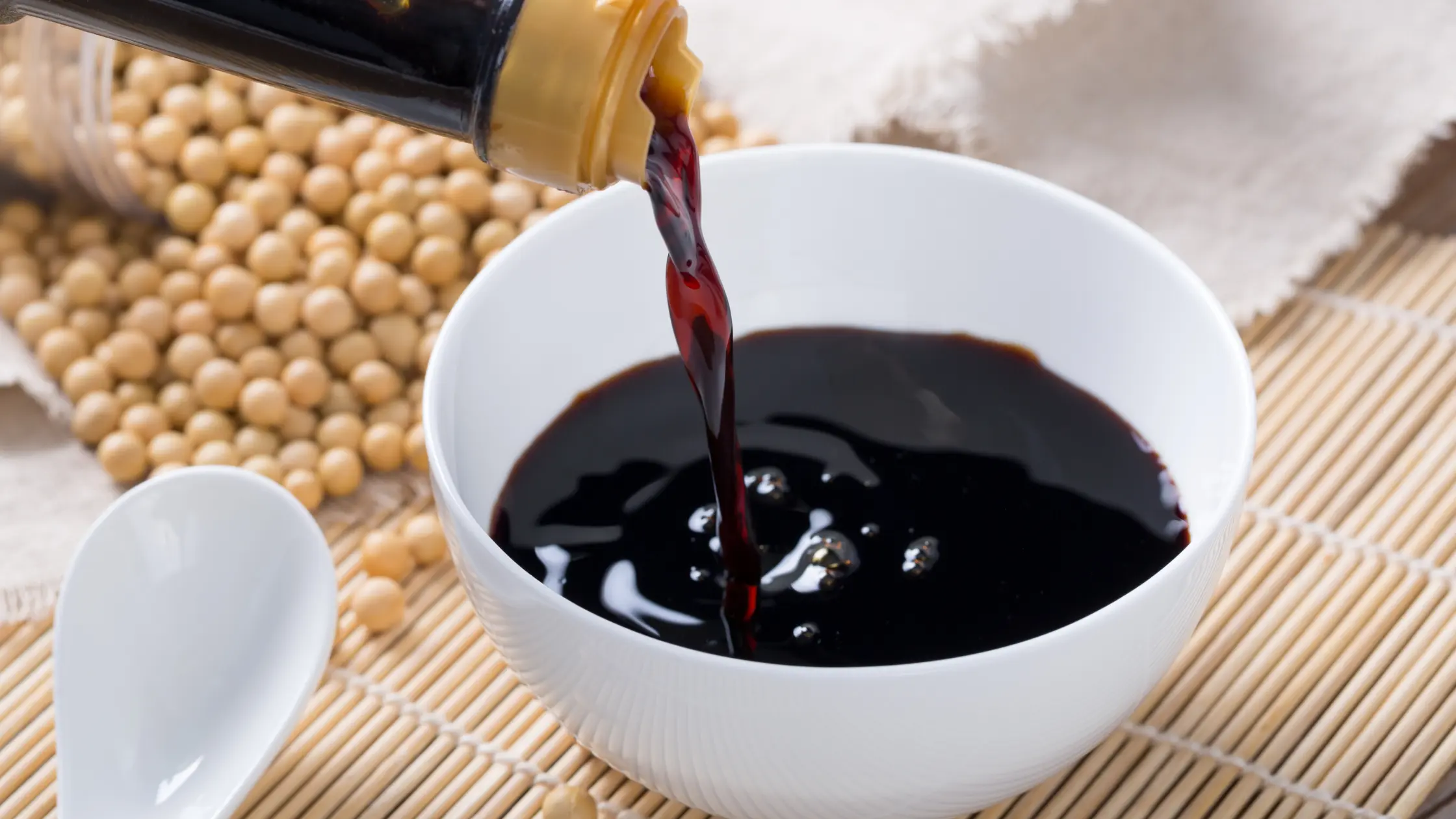
Soy sauce is more than just a seasoning; it's a true cornerstone of Asian cuisine.
Adverts
In this sense, originating in China, it is made from the fermentation of soybeans, wheat, water and salt.
Its umami flavor, a combination of salty and slightly sweet, is the secret to balancing flavors in a variety of dishes.
In practice, it can be used as a base for marinades, sauces and even as a finishing touch.
For example, when preparing Japanese yakisoba, soy sauce adds depth and brightness to the dish, while enhancing the natural ingredients like vegetables and meats.
Furthermore, its versatility allows it to be incorporated into recipes that go far beyond Asian cuisine, as a special touch in roasts or soups.
Furthermore, another interesting point is the variety of soy sauces available.
There are light versions, ideal for enhancing flavors without altering the color of the dish, and dark versions, more full-bodied and sweet, perfect for more intense recipes.
In short, understanding these nuances is essential for anyone who wants to master the art of Asian cuisine.
++ What is Batch Cooking and how can it change your kitchen routine?
2. Sesame Oil: Sophisticated Aroma and Flavor
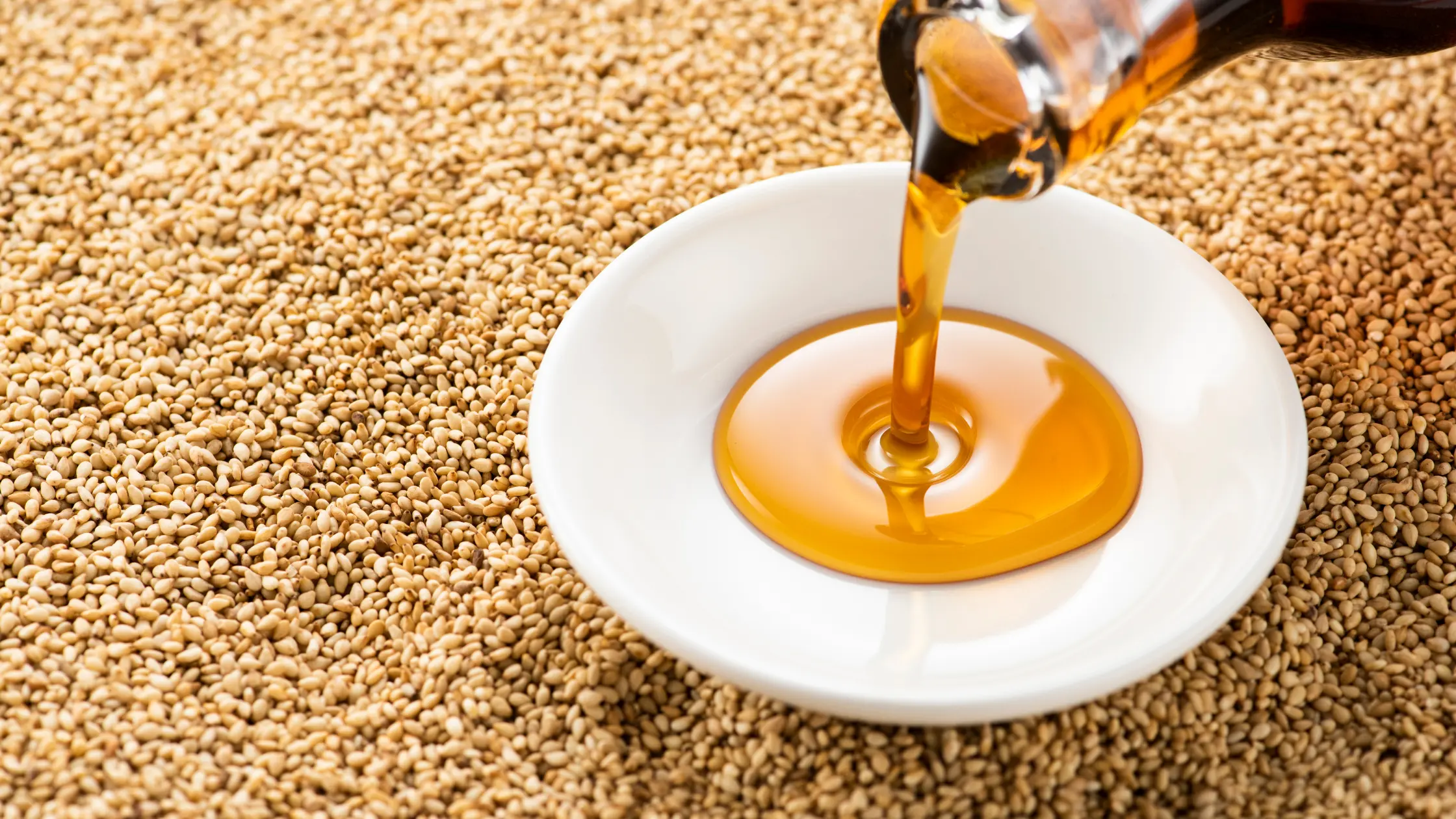
Sesame oil is an essential ingredient for anyone looking to bring authenticity to Asian recipes.
Thus, produced by pressing toasted sesame seeds, it has a striking flavor and an irresistible aroma.
But just a few drops are enough to transform any dish.
When preparing dishes like bibimbap, a traditional Korean meal, sesame oil is used as a finishing touch, giving it a sophisticated and unique touch.
Additionally, it is often used in salad dressings or as a base for stir-fries, enhancing the flavor of vegetables.
An interesting aspect of sesame oil is its contribution to the texture of dishes.
In short, it helps create a velvety coating on ingredients like rice noodles or wheat noodles.
However, it is important to use it in moderation, as its flavor can easily overpower the other ingredients.
3. Coconut Milk: The Creamy Base of Asian Dishes
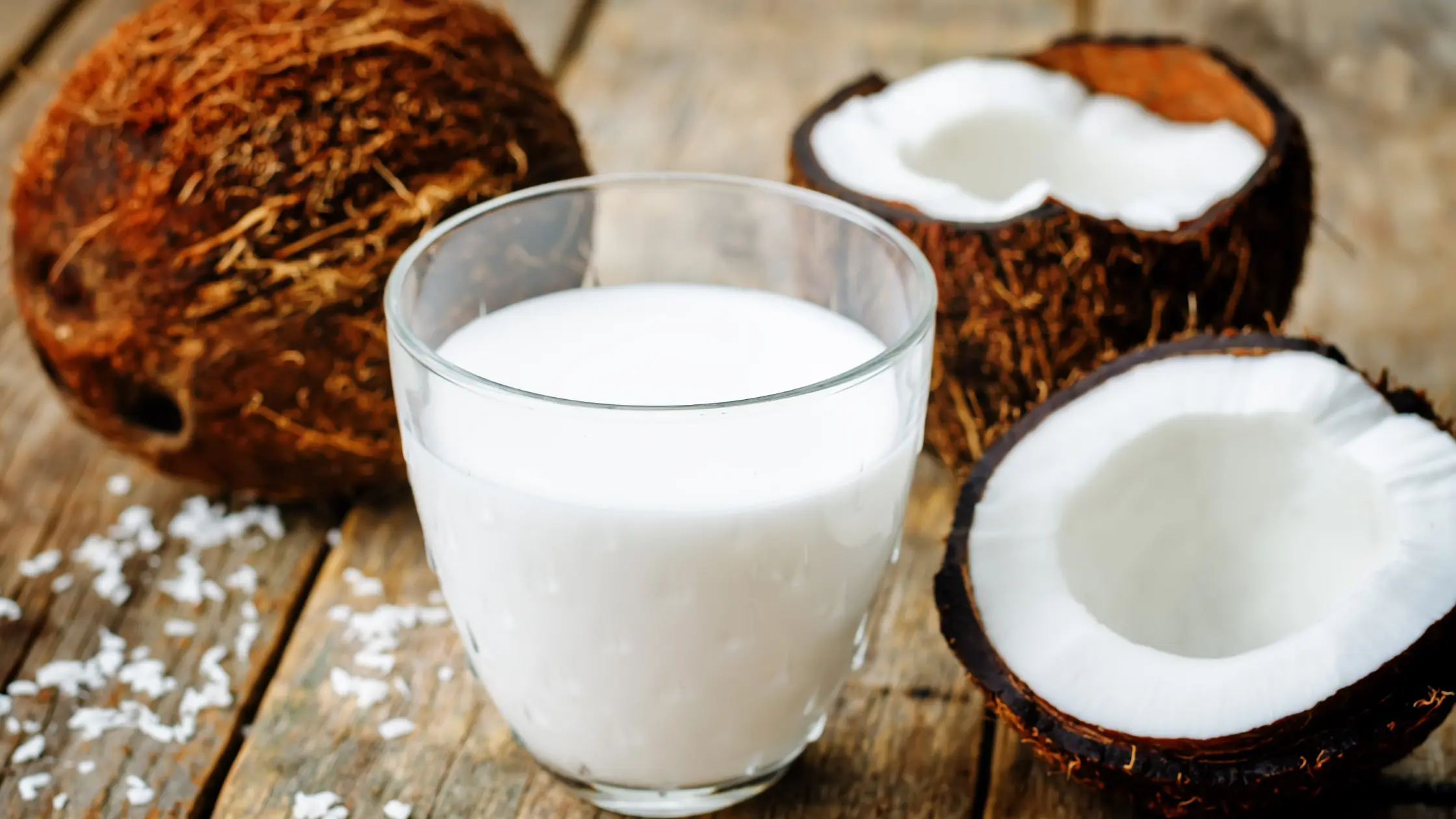
Coconut milk is synonymous with versatility and richness in Asian cuisine, especially in Southeast Asian cuisine, such as Thailand and Indonesia.
In this sense, extracted from coconut pulp, it adds creaminess and smoothness to soups, curries and desserts.
A classic example is Thai curry, where coconut milk plays a crucial role in balancing the intense flavor of the spice pastes.
Plus, it adds a touch of natural sweetness that pairs perfectly with spicy ingredients like pepper and ginger.
Furthermore, another popular use is in desserts, such as the famous Thai rice pudding with mango, where coconut milk adds creaminess and elevates the dish to another level.
Rich in good fats, it is also an excellent alternative for creating vegan dishes without losing flavor and texture.
4. Asian Cuisine: Ginger, The Spicy and Refreshing Touch
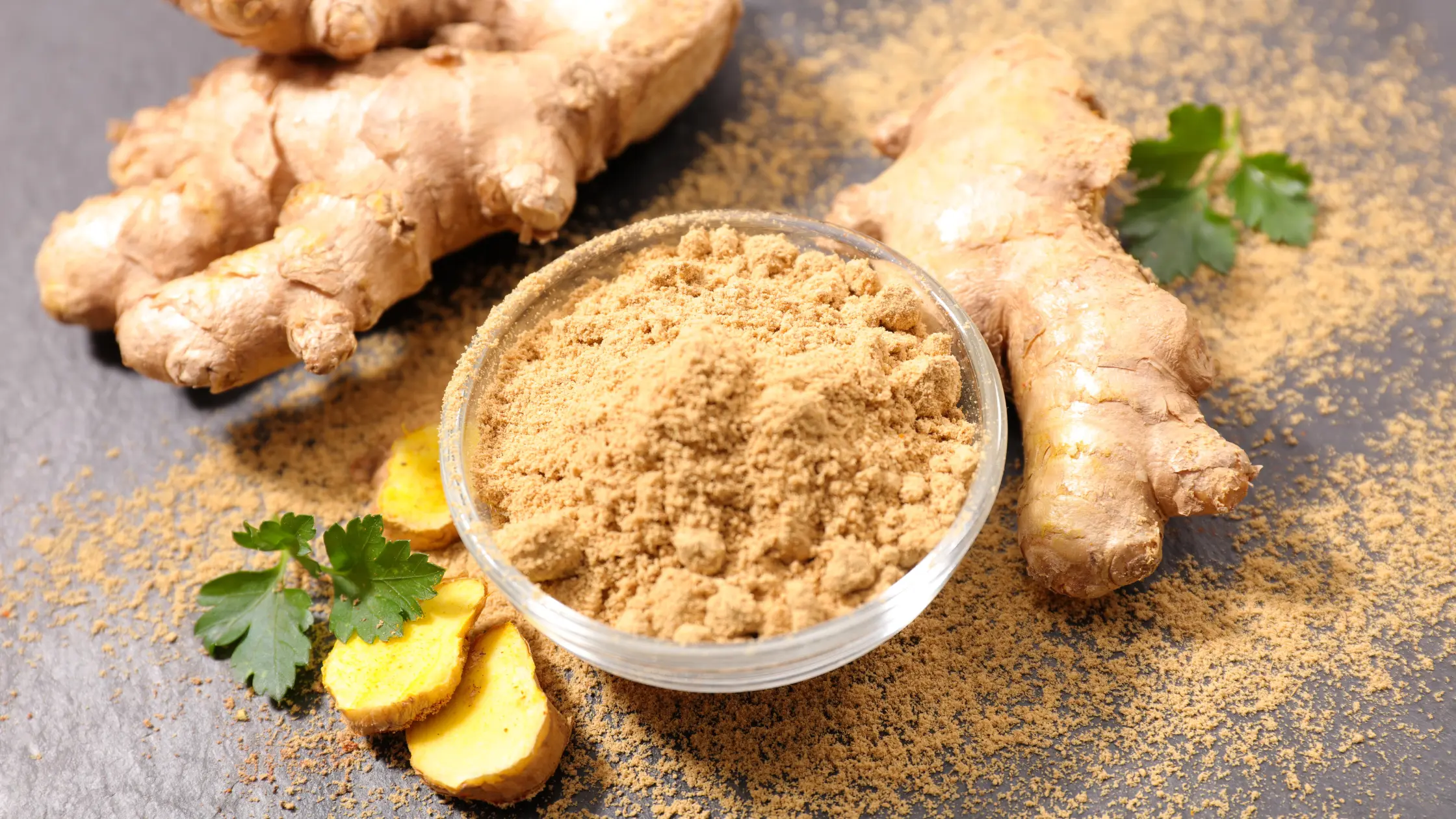
Ginger is one of the oldest and most versatile ingredients in Asian cuisine.
In this sense, its spicy and slightly citrusy flavor adds freshness and complexity to a wide range of recipes.
In Chinese dishes, such as the famous sweet and sour chicken, ginger is used to balance the sweet flavor of the sauce with its spicy touch.
In Japanese cuisine, it appears pickled, like gari, serving as an accompaniment to sushi and sashimi, cleansing the palate between each piece.
Additionally, ginger has recognized medicinal properties, such as aiding digestion and fighting colds.
It can be used fresh, grated, powdered or crystallized, depending on the recipe and the desired effect.
++ Complete Guide to Spices: How to Use and Combine Them to Add More Flavor to Your Dishes
5. Curry Paste: A World of Possibilities
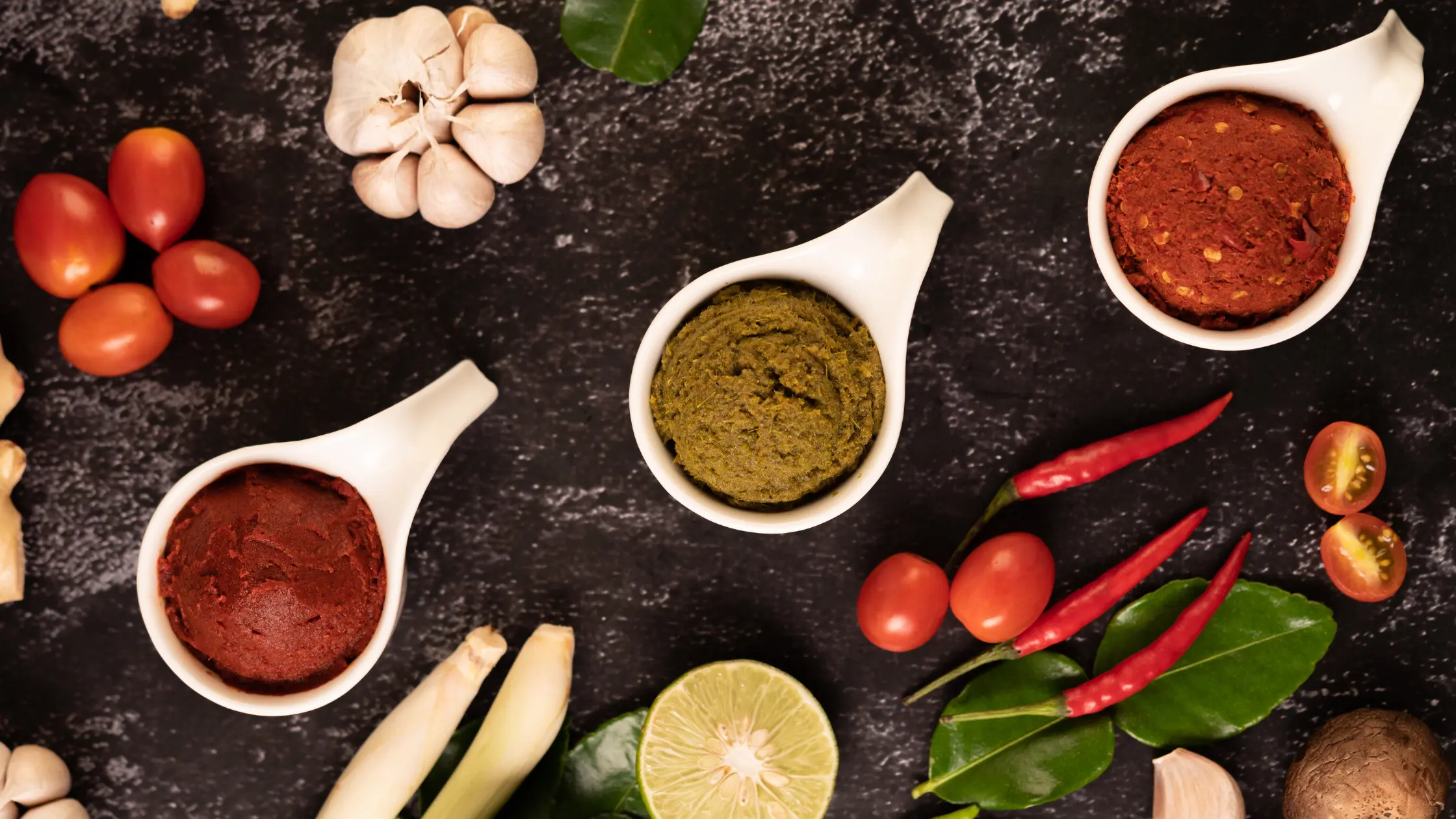
Curry paste is the soul of many Southeast Asian dishes, especially in Thailand.
Made from a combination of fresh herbs, spices and aromatic ingredients, such as lemongrass, garlic and pepper, it is the base of soups, stews and even marinades.
In short, there are different types of curry pastes, such as green, red and yellow, each with unique characteristics.
Green curry paste, for example, is intensely spicy and pairs well with chicken and seafood, while the milder yellow curry paste is perfect for vegetable-based dishes.
The richness of curry pastes lies in their depth of flavor.
By combining fresh ingredients with dried spices like turmeric and coriander, they create a symphony of complex flavors.
Thus, this versatility allows the cook to adjust the level of spiciness and intensity according to their personal taste.
Asian Cuisine: Ingredient Reference Chart
| Ingredient | Origin | Main Uses | Curiosity |
|---|---|---|---|
| Soy sauce | China | Marinades, sauces, stews | It has existed for over 2,500 years |
| Sesame oil | Middle East | Finishing, stir-fries, salads | Rich in antioxidants |
| Coconut milk | Southeast Asia | Soups, curries, desserts | Vegan alternative for creaminess |
| Ginger | Asia | Preserves, soups, stews | Used in traditional medicine |
| Curry Paste | Thailand | Soups, marinades, stews | Different types for different flavors |
Asian Cuisine: Conclusion
Adopting ingredients typical of Asian cuisine is like opening the doors to a new gastronomic world.
In this way, each element brings with it a rich history, unmistakable flavors and unlimited creative possibilities.
By exploring soy sauce, sesame oil, coconut milk, ginger, and curry pastes, you'll not only be improving your recipes.
But also immersing yourself in the culture and culinary tradition of a fascinating continent.
So, try incorporating these ingredients into your daily life and discover how Asian cuisine can transform your relationship with food.
++ 5 Creative Ways to Turn Leftovers into Gourmet Dishes
After all, cooking is, above all, a sensory and cultural journey. Bon appétit, or rather, itadakimasu!