
Complete Guide to Spices: How to Use and Combine Them to Add More Flavor to Your Dishes
Complete Spice Guide: How to Use and Combine Spices to Add More Flavor to Your Dishes!
Adverts
Spices are the secret behind memorable dishes, carrying not only flavors, but stories and cultures.
This one complete spice guide goes far beyond simple descriptions: here, you will learn how to use them, combine them and transform them into indispensable allies in the kitchen.
From basic seasonings to sophisticated combinations, we will unravel the alchemy of flavor with practical tips.
As well as informative tables and clever approaches to boost your culinary creativity.
Adverts
Why Use Spices? The Magic Beyond Flavor
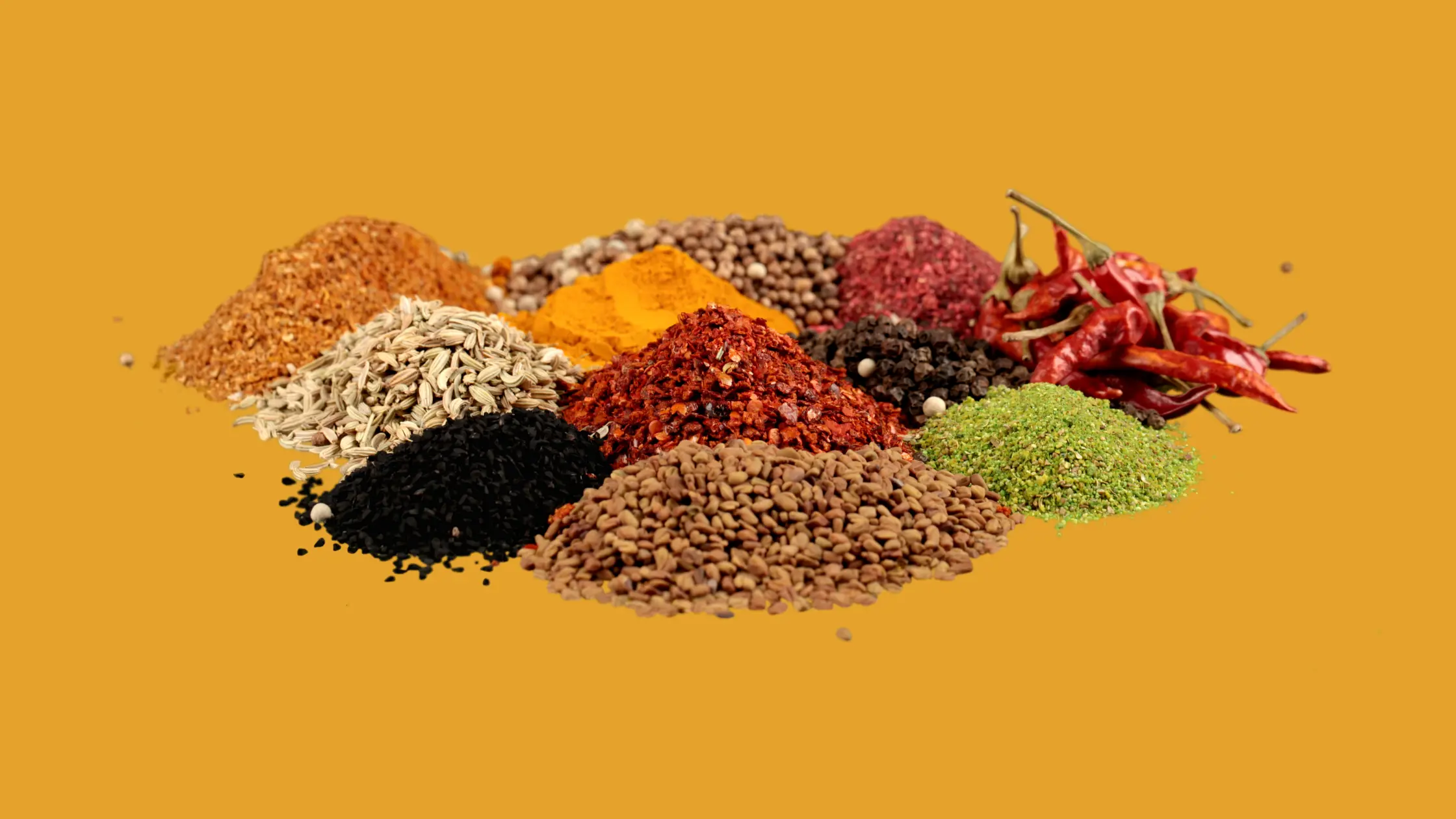
Flavor and aroma as protagonists
Spices are like little safes full of aromatic power.
The difference lies in its ability to transform an ordinary dish into something extraordinary, highlighting the natural ingredients.
For example, a pinch of cumin in a stew or a bay leaf in a sauce brings layers of flavor that wouldn't exist without them.
In addition to the sensory impact, spices are versatile.
So you can use black pepper to both enhance a steak and add depth to chocolate desserts.
This flexibility is what makes mastering spices essential for anyone looking to expand their culinary creativity.
Health on the plate
Many spices have proven medicinal properties.
Turmeric, also known as curcuma, is recognized for its anti-inflammatory power, while ginger aids digestion.
++ 5 Creative Ways to Turn Leftovers into Gourmet Dishes
In other words, in addition to enhancing flavors, spices promote well-being, combining health and pleasure in every meal.
Culture and tradition
The history of spices dates back to ancient times, when they were considered as valuable as gold.
In fact, they shaped trade routes and enriched culinary traditions.
Using spices in cooking is a way to connect with different cultures, enriching not only the palate, but also the understanding of diversity.
How to use spices intelligently
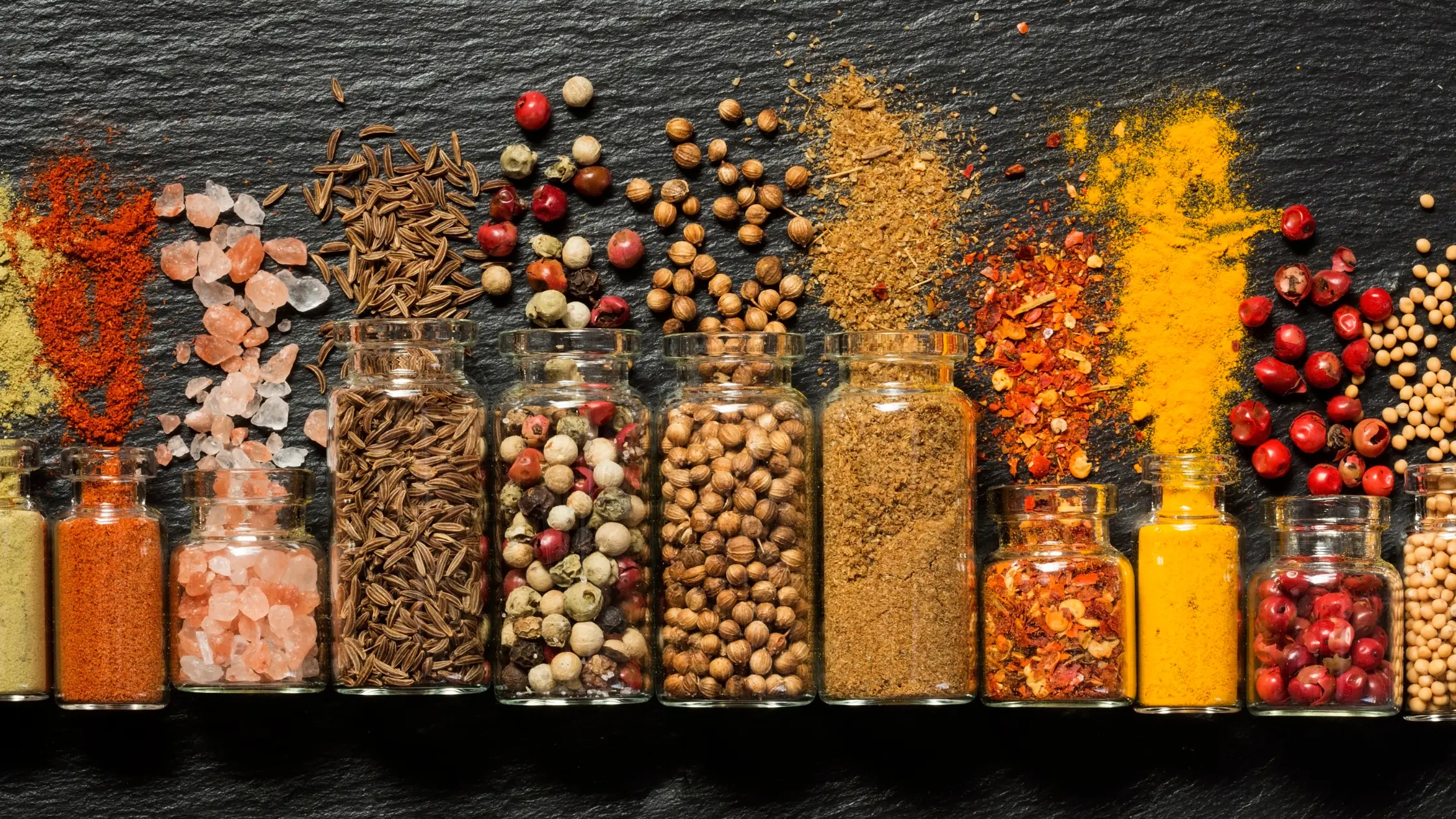
The art of dosage
To prevent a dish from becoming overly aromatic or, on the other hand, tasteless, it is essential to master the dosage.
In this sense, a golden rule is to start with small amounts and adjust gradually.
This allows the flavors to integrate without overwhelming the dish.
Also, it is important to know when to add the spices.
More delicate spices, such as nutmeg, should be added at the end of cooking to preserve the aroma.
In short, more robust spices, such as cloves or cinnamon sticks, release their flavor better when cooked for a long time.
Strategic combinations
Combining spices can seem intimidating, but with practice, you'll discover patterns that work.
For example, a classic Indian curry combines turmeric, cumin, coriander and fenugreek to create a rich, balanced profile.
In turn, in Moroccan cuisine, mixtures such as ras el hanout include up to 20 spices to achieve complexity.
A practical tip is to group spices with complementary profiles.
For example, sweet (cinnamon, cardamom), spicy (pepper, ginger) and earthy (cumin, nutmeg).
In short, this helps create layers of flavor and gives cohesion to the dish.
Main spices and their uses
| Spice | Flavor Profile | Common Uses | Extra Tip |
|---|---|---|---|
| Cinnamon | Sweet, slightly spicy | Desserts, meats, teas | Try it in tomato-based sauces. |
| Cumin | Earthy, slightly bitter | Stews, curries, grilled vegetables | Toast before use to intensify the flavor. |
| Black pepper | Spicy, aromatic | Universal | Use freshly ground for greater freshness. |
| Turmeric | Earthy, warm | Curries, soups, rice | Mix with black pepper for absorption. |
| Clove | Intense, sweet | Cakes, marinades, broths | Use in small amounts to avoid bitterness. |
Exploring ready-made spice mixes
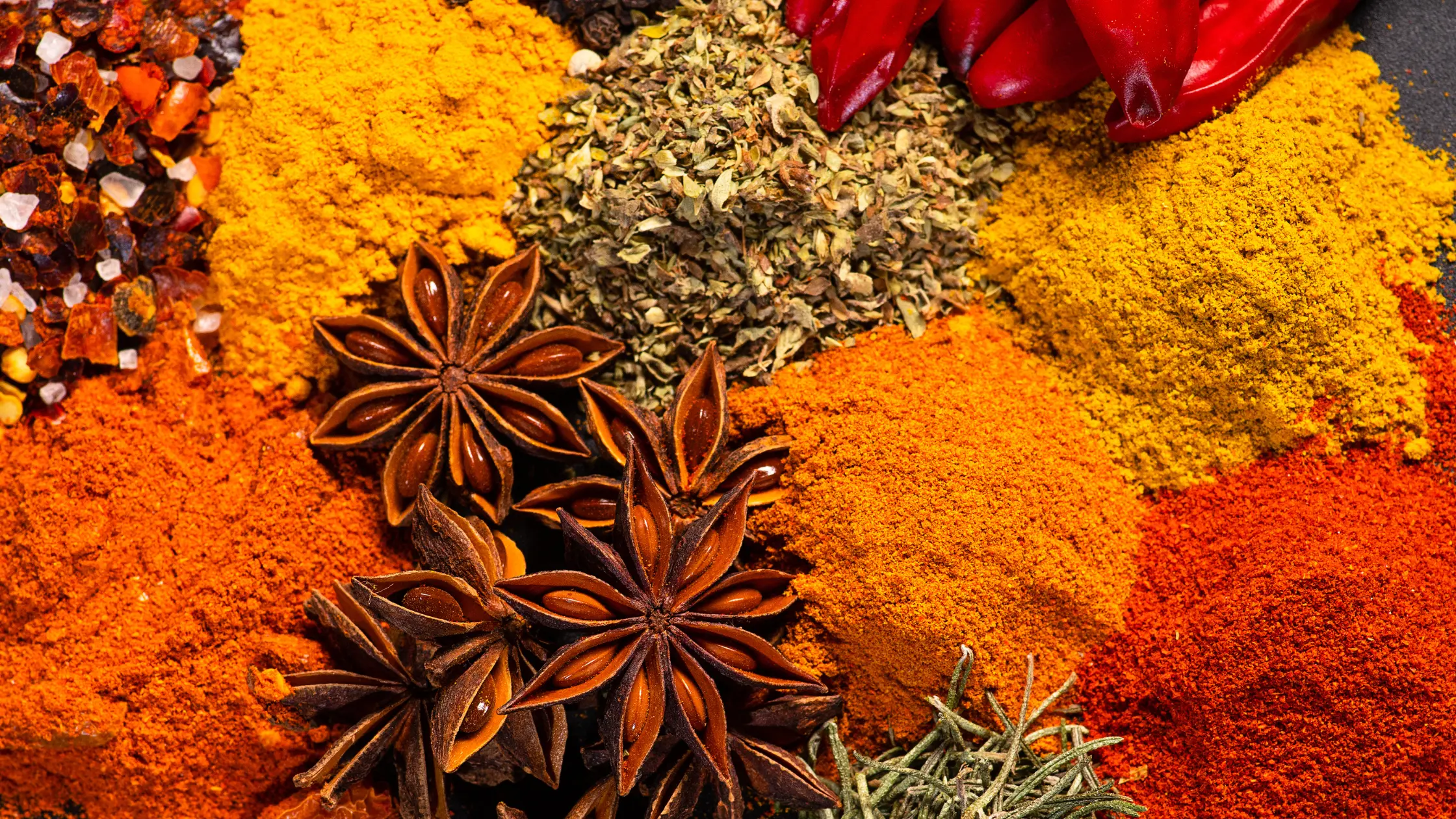
Advantages of mixtures
Spice blends are pre-developed combinations that save time without compromising flavor.
Furthermore, they ensure consistency in recipes.
++ How to Make Homemade Nuggets? Healthy and Delicious Recipe!
Some of the best known include garam masala, za'atar and Cajun seasoning.
When to use
In principle, these mixtures work as versatile bases.
For example, za'atar is perfect for topping breads, while garam masala can be used in both curries and lentil soups.
However, it is essential to check the quality and avoid those with excess salt or preservatives.
Make your own mixes
Creating your own combinations is a way to personalize your dishes.
Try mixing paprika, oregano, and garlic powder for a quick and easy seasoning.
Customizing blends also allows you to explore flavors that match your local cuisine or personal preferences.
How to Store Spices to Maintain Quality
Ideal conditions
To preserve freshness and aroma, spices should be stored in cool, dry places away from light.
Airtight glass jars are ideal.
Never store spices near heat sources, such as the stove, as this accelerates degradation.
Expiration date
Although dried spices don't spoil like fresh foods, they do lose potency over time.
In general, whole spices last about two years, while ground spices last up to a year.
Test for freshness by rubbing a small amount between your fingers: if the aroma is weak, it's time to replace.
Spices in everyday life: how to start?
Simple steps for beginners
If you're new to spices, start by incorporating one or two into familiar dishes.
For example, try adding turmeric to rice or cinnamon to coffee.
This way, it allows you to understand the flavors without overwhelming your palate.
Try unusual combinations
One of the best ways to learn is by testing.
Who would have thought that cardamom pairs so well with chocolate or that coriander enhances pumpkin soups?
Experiment and write down your findings.
Learn from cultures
Finally, take inspiration from traditional cuisines that make creative use of spices.
Indian, Moroccan and Thai cuisine are true laboratories of aromas and flavors, ideal for those looking to expand their horizons.
Investing in learning about spices is a delicious and rewarding path.
This one complete spice guide It is just the starting point to transform your kitchen into a space of innovation and discovery.
Open the doors to new possibilities and let your creativity flow – after all, every little bit counts.