
Sustainable Cooking: How to Reduce Waste with Practical Recipes
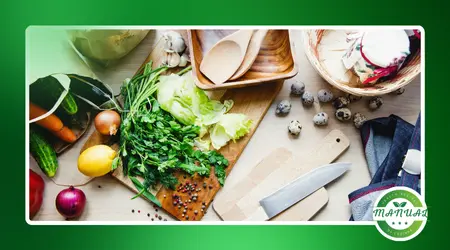
Sustainable cooking is one of the best ways to make a positive impact on the environment while saving money on your household budget.
Adverts
Incorporating more conscious habits in the kitchen helps reduce food waste, which, according to the Food and Agriculture Organization of the United Nations (FAO), reaches around 1.3 billion tons per year worldwide.
Discover how to transform your cooking routine with practical tips and recipes that put sustainability first.
What is Sustainable Cooking?
Sustainable cooking goes beyond simply reusing food.
It is an approach that covers the entire food chain, from the choice of ingredients to the correct disposal of waste.
Adverts
To start, opt for organic, regional and seasonal products. These foods, in addition to being fresher, require less transportation and reduce greenhouse gas emissions.
Choosing local products also strengthens the region's economy and ensures that you are consuming seasonally adapted foods.
Another advantage is that fresh foods, in general, have more flavor and nutrients, improving the quality of your recipes.
Thinking about the food chain also means rethinking the use of energy and water in the kitchen.
Small adjustments, such as cooking with the pan covered or using only the necessary amount of water, also contribute to more efficient and less polluting cooking.
Another important pillar is planning. Making a shopping list based on what you already have at home avoids excess and ensures that you use everything you buy.
Additionally, storing food correctly extends its shelf life and prevents waste.
Planning also includes thinking about how to reuse food that was not consumed.
Turning leftovers into new recipes is a creative way to avoid waste and save money.
For example, day-old rice can be turned into dumplings, while pieces of bread can be used to make toast or farofas.
Practical Tips to Avoid Waste
1. Comprehensive Use of Food
Many parts of food are discarded unnecessarily. Stems, peels and seeds can be transformed into truly versatile ingredients.
For example, broccoli stalks can be used in soups or risottos, while potato skins make delicious baked chips.
Additionally, pumpkin seeds, which often go to waste, can be roasted and seasoned to create a nutritious snack.
Even overlooked greens, such as cauliflower, can be sautéed and included in dishes.
Another idea is to create homemade stocks from leftover vegetables. Carrot, onion and celery peels can be boiled to create a delicious base for soups and sauces.
This way, you reuse nutrients that could otherwise be discarded.
2. Smart Freezing
It is not always possible to consume everything in time, but the freezer can be your ally.
Separate food into smaller portions and freeze fruits, vegetables or ready-made meals.
This not only preserves food, but also saves time on busy days.
Freezing herbs in ice cube trays with olive oil is another creative solution.
This way, you have seasonings ready to use in soups and stews.
Another tip is to label everything with dates, ensuring that food is consumed within the deadline.
It is also important to know which foods can and cannot be frozen.
While ripe fruit is great for smoothies, produce with a high water content, like lettuce, doesn't maintain its texture after thawing.
+ Raw Food Recipes and the Benefits of This Diet
3. Home Composting
Unavoidable waste can be used in composting. Fruit peels, old leaves and coffee grounds can be turned into fertilizer for vegetable gardens and gardens.
This practice reduces waste sent to landfills and also contributes to a healthier food cycle.
Composting can also be done in small spaces, such as apartments.
Urban composting kits are affordable and allow you to recycle your organic waste with ease.
Additionally, it reduces odors in regular trash.
By investing in composting, you can also see direct benefits in the growth of plants and home gardens.
This creates a virtuous cycle, where food waste nourishes the land and produces new food.
Practical Recipes for a Sustainable Kitchen
Stem and Leaf Soup
Ingredients:
- 2 cups of stems (such as broccoli or spinach);
- 1 cup of greens (such as carrot or beet greens);
- 1 chopped onion;
- 2 garlic cloves;
- 1 liter of vegetable broth;
- Salt and pepper to taste.
Method of preparation:
- Sauté the onion and garlic in olive oil until golden.
- Add the stems and leaves and cook for 5 minutes.
- Pour in the vegetable stock and let cook for 20 minutes.
- Blend in a blender and adjust the seasoning before serving.
This soup is a nutritious and flavorful option.
In addition to being an alternative to avoid waste, it can be frozen in individual portions for later consumption, making it practical for busy days.
You can also vary the ingredients depending on what you have at home.
Try adding fresh herbs or spices to customize the flavor and create unique versions.
Potato Skin Chips
Ingredients:
- Well washed potato peels;
- Oil;
- Salt and spices to taste.
Method of preparation:
- Mix the peels with olive oil, salt and spices.
- Bake in a preheated oven at 180ºC until crispy.
Potato peel chips are an excellent way to reuse parts that are normally discarded.
They can be served as a snack or side dish, being a healthier option than industrialized snacks.
If you prefer, try making chips with other peels, such as carrot or cassava.
These foods offer different textures and flavors, expanding your possibilities in the kitchen.
Table 1: Impact of Food Waste in Brazil
| Aspect | Data |
|---|---|
| Wasted food | 27 million tons per year |
| Economic cost | R$ 10 billion annually |
| Contribution to garbage | 50% of organic waste in landfills |
Benefits of Sustainable Cooking
In addition to reducing waste, sustainable cooking offers several advantages.
Among them, financial savings stand out, since you make the most of the food you buy.
Health also benefits, as homemade and natural recipes contain fewer artificial additives.
Another advantage is the opportunity to create new habits.
Adopting a more conscious kitchen encourages culinary creativity and can be a way of teaching important values to future generations.
Furthermore, the environmental impact is considerable.
Reducing waste and choosing local and seasonal products reduces your carbon footprint, contributing to a healthier and more balanced planet.

How to Involve the Whole Family
Turning the kitchen into a mindfulness space can also be fun.
Involve children in preparing recipes that use leftovers or forgotten parts of food.
In addition to learning about sustainability, they create a deeper connection with the food they consume.
You can also introduce cooking games and challenges, such as creating dishes using only ingredients that are about to expire.
This turns learning into a light and educational activity for the whole family.
Creating a home garden is also an excellent way to get everyone involved.
Planting and caring for herbs or vegetables encourages responsibility and shows the complete food cycle, from cultivation to the plate.
See too: What makes a poke? Discover some recipes for this Hawaiian dish
Table 2: Sustainable Substitution Tips
| Conventional Ingredient | Sustainable Replacement |
|---|---|
| Aluminum foil | Beeswax Cloth |
| plastic film | Reusable pots |
| Disposable napkins | Cloth napkins |
Final Considerations
Adopting a sustainable kitchen is a choice that benefits the planet and generates positive effects on everyday life.
Small actions, such as making full use of food or composting, have a big impact when carried out consistently.
Get started today by applying the tips and recipes presented in this article.
Being part of the solution for a more balanced world is within everyone's reach, and the kitchen is the perfect place to start.