
Protein-rich red lentil soup to warm you up healthily.
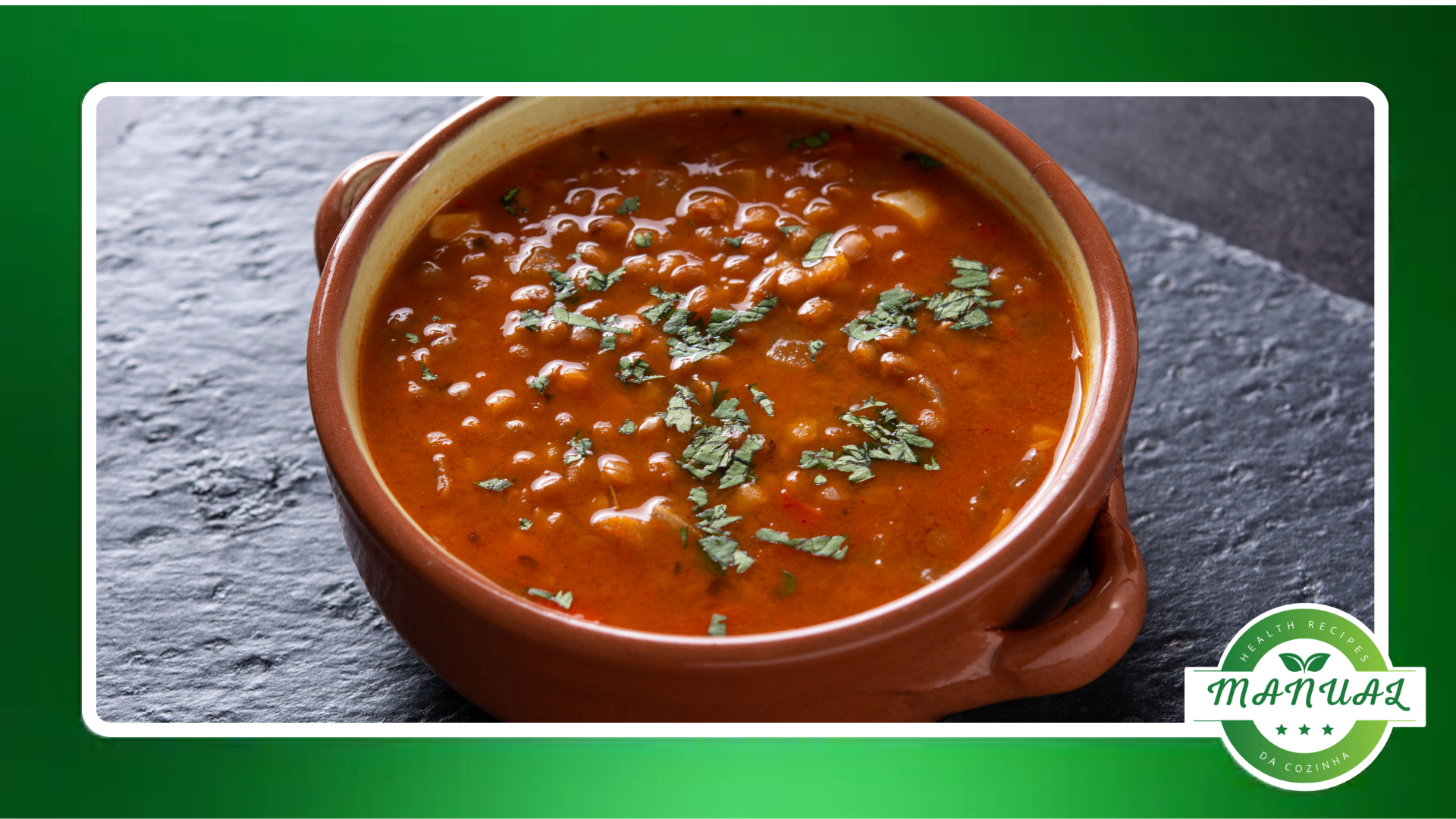
Cooking is not just about following a list of steps, but an exercise in attention. red lentil protein soup This arises from the need to provide nutrition without complications.
Adverts
We often confuse healthy meals with bland dishes. Here, lentils stand out precisely because of their ability to break down, creating a naturally velvety and rich broth.
There's no mystical secret to its preparation, just respect for the ingredient's cooking time. Let's dissect what makes this recipe a smart choice, perhaps the most honest one in your kitchen.
Summary
- Introduction: The nutritional comfort of red lentils
- Why do red lentils outperform traditional varieties?
- The essential technique for a creamy and natural broth.
- Nutritional analysis: What this dish provides to the body
- The impact of the origin and quality of the ingredients.
- Nutrition strategy: When to consume for performance.
- Sensory personalization: Spices and a touch of freshness
- Common mistakes: What to avoid during preparation
- Sustainability: Choosing a regenerative food
- Ingredients and Preparation Method: The Practical Guide
- Conclusion: Simplicity as a pillar of health.
- FAQ: Quick answers to frequently asked questions
Why does red lentil have a better chance than other varieties?
Unlike its dark cousins, which are stubbornly resistant, the red variety is almost docile. It sheds its skin during processing, surrendering to cooking with surprising speed.
There's something fascinating about the immediate delivery of the grain to the heat. For those who live under the pressure of the clock, this speed is not just a convenience, it's pure culinary survival.
Adverts
By incorporating it into your diet, you discover a source of plant-based protein that doesn't need the label of "substitute." It's a complete meal, with enough density to support your metabolism.
Protein-rich red lentil soup: ingredients and preparation method
To achieve the velvety texture and nutritional profile we discussed, precision in ingredient selection and execution is fundamental. Don't treat this recipe as just another step-by-step guide; consider it a flavor-building process.
Necessary ingredients
- 250g of red lentils (washed thoroughly under running water);
- 1 medium onion chopped into tiny cubes;
- 2 garlic cloves mashed or finely chopped;
- 1 large carrot cut into very small cubes;
- 1 stalk of celery chopped (essential for the aromatic base);
- 1 teaspoon of turmeric powdered (or grated fresh ginger);
- 1 teaspoon cumin Powdered (lightly toasted beforehand);
- 1.2 liters of vegetable broth homemade (or filtered mineral water);
- 2 tablespoons of olive oil extra virgin olive oil;
- Sea salt and black pepper to your liking (adjustment only at the end);
- Fresh parsley or cilantro to finish when serving.
Preparation method: the technique of mastery
- Heat the olive oil in a heavy-bottomed pan. Add the onion, carrot, and celery, sautéing over medium heat until the vegetables soften and release their aroma.
- Add the garlic, turmeric, and cumin. Stir for one minute, just enough for the heat to release the essential oils of the spices, but without letting the garlic burn.
- Pour the red lentils into the pan, coating them well with the base of vegetables and spices for about two minutes. This initial "toasting" process enhances the depth of flavor.
- Add the vegetable stock or mineral water. Increase the heat until it boils and, as soon as foam rises to the surface, remove it with a skimmer to ensure a clear broth.
- Reduce the heat to low, cover the pan, and let it cook for about twelve minutes. Watch the grain: it should almost completely break down, creating a naturally thick cream.
- Remove from the heat as soon as it reaches the desired consistency. Only now adjust the salt and add the pepper. Adding salt too early can harden the legume's fibers and ruin the result.
- Finish with a drizzle of extra virgin olive oil and freshly chopped herbs. The final touch of freshness contrasts with the creaminess of the lentils and elevates the sensory experience of the dish.
The secret to the perfect broth without resorting to shortcuts.
Forget the idea that a good broth needs artificial thickeners or hours of simmering. The starch naturally contained in the grain, when properly treated, does all the hard work.
The secret lies in the beginning: the sautéing should be slow, almost meditative. Carrots and celery browned in olive oil create the base that supports the dish's structure without needing any artifice.
Don't make the mistake of boiling it violently. Let the gentle heat dictate the rhythm; it is there, in the silence of the closed pot, that the velvety texture takes shape.
For those interested in the technical basis of these processes, the FAO Culinary Guide It offers a clarity that we rarely find in generic recipe blogs.
The true value of what we are serving at the table.
The nutritional information table is merely a cold, but essential, indicator. Every hundred grams of red lentils contains approximately nine grams of highly absorbable protein and essential iron.
We're talking about a density that the body recognizes and appreciates immediately. It's not about counting calories, but about providing quality fuel that doesn't cause sudden blood sugar spikes.
Your gut, so often neglected in the rush of daily life, responds gratefully to the soluble fiber present here. It's a systemic improvement that begins with digestion and is reflected in your energy levels.
++ Creamy cauliflower puree: a light and healthy option for winter.
| Nutrient | Quantity (100g) | What does he do for you? |
| Proteins | 9.1g | Basic tissue repair |
| Fibers | 8.2g | Microbiota balance |
| Iron | 1.9mg | Blood oxygenation |
| Magnesium | 36mg | Muscle relaxation |
Where the search for the ingredient starts to matter.
Buying whatever is available at the corner market is often accepting the worst. Lentils need freshness, a characteristic that is lost in poorly managed stocks.
Look for lentils with vibrant, uniform colors. If the lentils look dull or crumbly, you've already lost half the flavor before you even turn on the heat.
Connecting with local producers changes your perception of the dish. When you know its origin, the soup ceases to be merely a means of satisfying hunger.
++ Crispy tofu in spicy sauce, a light, oriental-style dinner.
The strategy behind a comforting dinner.
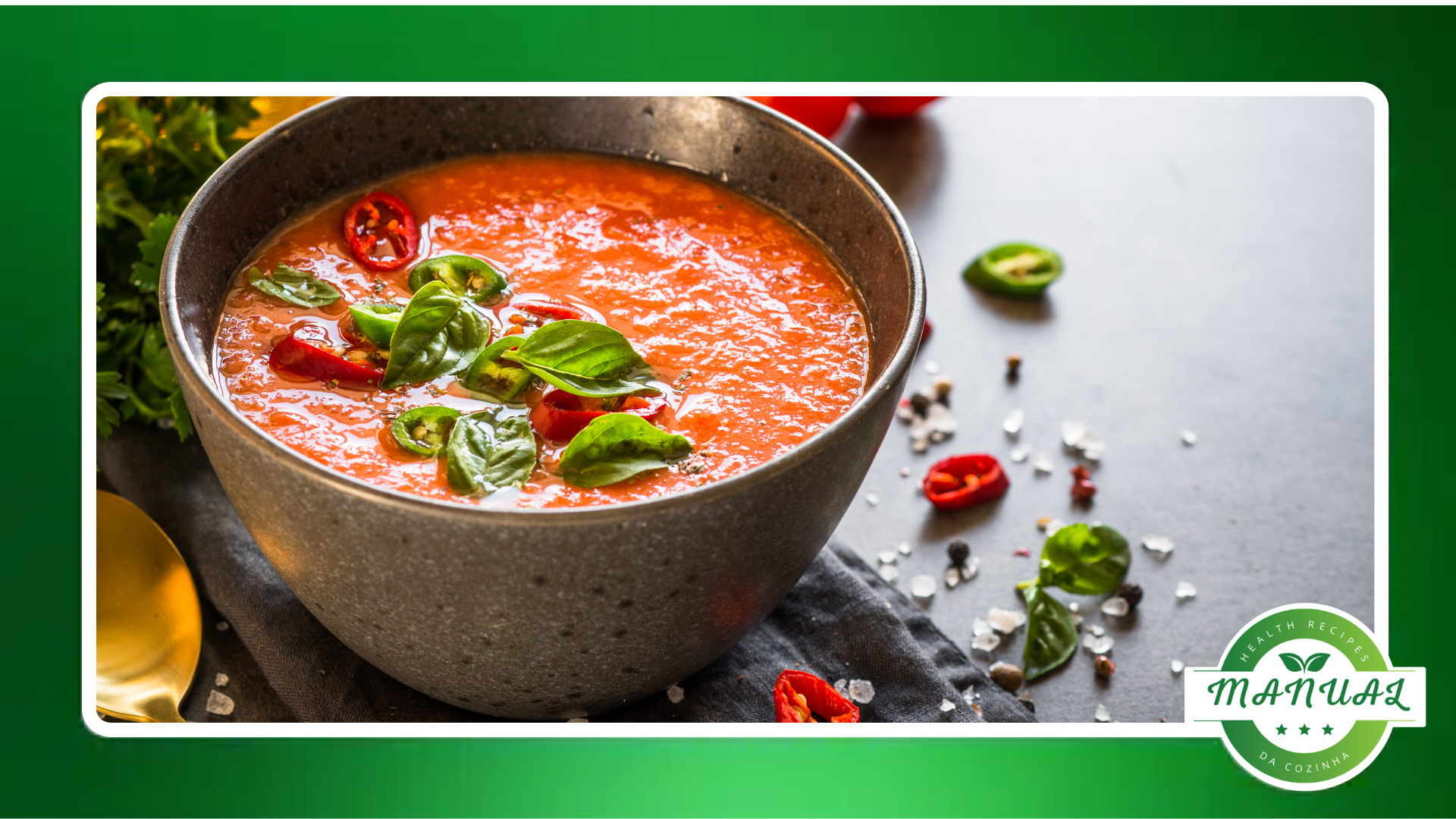
Dinner should be a way to close a cycle, not a burden on sleep. This soup is light, efficient, and allows the body to focus on nighttime repair.
Athletes find in it an honest way to replenish muscle fiber after physical exertion. It's a food that doesn't lie about its properties and doesn't require exhaustive digestion.
Even on days with mild temperatures, it works. There's a feeling of thermal relief that few dishes deliver, a kind of hug that comes from the inside out.
Customize the flavor without altering the recipe.
The temptation to use too many ready-made seasonings is constant, but resist. Spices like cumin, toasted coriander, and pepper bring a depth that industrial cubes could never imitate.
Finishing with a touch of freshness — a drop of lemon, freshly chopped herbs — is what differentiates an ordinary soup from something you would serve to someone special.
Water, so often overlooked, dictates the final flavor. If your water tastes of chlorine, your soup will too. Use a filter; give the ingredient a chance to shine without bad filters.
Where did we go wrong by being too hasty?
Salt is a treacherous villain here. Added too early, it hardens the lentils and ruins the velvety texture we so diligently seek.
Another common mistake is ignoring the foam that rises to the surface. It carries impurities that can leave a bitter aftertaste, an off-color note that detracts from the dish's elegance.
Ten to twelve minutes of boiling is the limit. Any second more turns your soup into something close to a bland mush, which is a culinary sin.
The impact of our choices on the planet.
Talking about sustainability might seem like a topic for distant lectures, but it starts here. Lentil cultivation requires a fraction of the water consumed by livestock production.
Choosing this grain is a statement, almost a silent manifesto. In an uncertain food landscape, reducing dependence on complex sources is an act of ecological responsibility.
Every plate you put together is a small decision about the kind of future you want to support. It's not just about nutrition, it's also about an ethical alignment with consumption.
++ Quinoa salad with mango, cucumber and mint.
The closing of a nutritional cycle.
Preparing this soup is an exercise in personal control over what you put into your body. Red lentils offer the balance that many complex diets promise.
I hope this guide has given you the confidence you need to venture out. Don't try to be perfect the first time; mastery comes from conscious repetition.
For those seeking more formal guidelines on food safety, the Anvisa Portal It's a safe haven for getting answers to your questions about preserving supplies.
Frequently Asked Questions (without beating around the bush)
Does freezing ruin the texture?
It tolerates the freezer like few others. Just make sure the container is glass and that you leave some room for the liquid to expand.
Do red lentils cause bloating?
Removing the peel greatly minimizes typical gas. If you still feel unwell, add a bay leaf or a piece of ginger during the process.
How long does it actually last?
In the refrigerator, four days is the safe limit. The flavor may even intensify on the second day, a common phenomenon in preparations that include well-integrated spices.
What's the best side dish?
Something to contrast with the creaminess, like toasted sourdough bread or roasted pumpkin seeds. The contrast in textures is what saves the dish.