Edible mushrooms and the compounds studied by science.

You edible mushrooms They represent a fascinating frontier between sophisticated gastronomy and modern pharmaceutical science, revealing bioactive compounds that redefine our understanding of nutrition and cellular longevity.
Adverts
This article explores recent scientific findings about these fungi, detailing how their molecules interact with the immune system and which species offer the most robust benefits.
Below, we present a complete guide to the therapeutic and nutritional properties that have established mushrooms as essential superfoods in the contemporary diet focused on preventative health.
Summary
- What are the main bioactive compounds found?
- How do mushrooms help the immune system?
- Table: Nutritional and functional comparison
- What is the role of beta-glucans in cardiovascular health?
- Where does science focus its longevity research?
- FAQ: Frequently Asked Questions
What are the main bioactive compounds found?
In-depth laboratory analysis reveals that the edible mushrooms They are exclusive sources of ergothioneine, an amino acid with potent antioxidant capacity that protects DNA against severe oxidative damage.
Unlike common plants, fungi synthesize complex secondary metabolites, such as terpenoids and phenols, which act directly in neutralizing free radicals in human neural tissues.
Adverts
Studies published in 2025 indicate that the bioavailability of these nutrients increases significantly when specimens are subjected to controlled cooking processes, breaking down the chitin cell walls.
The presence of complex polysaccharides differentiates these foods from any other botanical class, giving them the status of a "natural pharmacy" rigorously studied by the world's leading biotechnology universities.
Scientists have identified that vitamin D2, abundant in fungi exposed to UV light, is essential for calcium absorption, making them vital allies for strictly plant-based and vegetarian diets.
Shimeji and Shiitake Technological Risotto
This preparation uses the classic Italian method of starch gelatinization combined with the dry sautéing technique, which prevents the fungi from releasing excess water and losing their firm texture.
Ingredients
- 300g fresh mushrooms (mixture of cleaned Shiitake and Shimeji mushrooms)
- 200g Arborio or Carnaroli rice
- 1 liter natural vegetable broth (heated)
- 100ml dry white wine with good acidity
- 1 finely chopped shallot onion
- 2 tablespoons extra virgin olive oil
- 30g chilled unsalted butter
- 40g freshly grated Parmigiano-Reggiano cheese
- Refined salt and freshly ground black pepper to taste.
Method of preparation
1. Preparing Mushrooms (Dry Sauté Technique)
Heat a heavy-bottomed skillet over high heat without adding any fat. Place the sliced mushrooms evenly in the skillet and let them brown for two minutes per side to concentrate the natural sugars.
Add half the olive oil and a pinch of salt just in the last minute, sauté quickly, and set aside off the heat.
2. The Base and Roasting of the Bean
In a wide-bottomed pan, heat the remaining olive oil over medium heat and toast the shallot until translucent, without browning.
Add the dry rice and stir constantly for two minutes until the grains become slightly translucent at the edges, ensuring the integrity of the starch.
3. Continuous Deglazing and Hydration
Pour in the dry white wine all at once to stop the browning and scrape the sugars from the bottom of the pan.
Once the alcohol has completely evaporated, begin adding the hot vegetable broth, one ladleful at a time, stirring constantly to gradually release the starch.
4. Incorporation and Maintenance
Add the reserved mushrooms to the risotto when the rice is almost cooked to your liking.al dente), for about 15 minutes.
Turn off the heat while the rice is still moist, add the chilled butter and Parmigiano-Reggiano cheese, stirring vigorously to create the classic creamy emulsion.
+ How spinach and arugula contribute to eye health.
How do mushrooms help the immune system?
The mechanism of action of the polysaccharides present in edible mushrooms This occurs through the activation of macrophages and Natural Killer cells, which are the first line of defense against pathogens.
These molecules function as immunomodulators, meaning that they not only stimulate the immune system, but also regulate excessive inflammatory responses, common in modern and chronic autoimmune diseases.
Contemporary science is now focusing on how these substances can mitigate the side effects of aggressive treatments, preserving the gut microbiota and strengthening the epithelial barrier against opportunistic infections.
It is crucial to understand that consumption must be consistent for serum levels of these compounds to reach the therapeutic threshold necessary for maintaining biological homeostasis and vitality.
+ How apples help with satiety and gut health.
Table: Nutritional and functional comparison
| Mushroom Species | Main Compound | Primary Benefit Studied |
| Shiitake (Lentinula edodes) | Lentinan | Immune modulation and antiviral |
| Shimeji (Pleurotus ostreatus) | Natural statins | Control of LDL cholesterol levels |
| Lion's Mane (Hericium erinaceus) | Hericenonas | Cognitive health and neural regeneration |
| Sun Mushroom (Agaricus blazei) | Beta-glucans | Antitumor and antioxidant support |
| Mushroom (Agaricus bisporus) | Selenium and Copper | Cellular protection and thyroid health |
What is the role of beta-glucans in cardiovascular health?
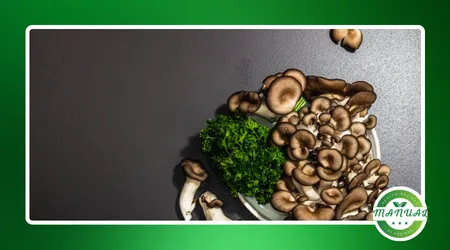
Beta-glucans are found in abundance in edible mushrooms They act as soluble fibers that reduce the absorption of exogenous fats and regulate the glycemic index after the main daily meals.
These fibers form a viscous gel in the digestive tract, which slows down the digestion of simple carbohydrates and promotes a prolonged feeling of fullness, helping to control body weight.
Research conducted in 2026 demonstrates that the interaction between these fibers and bile acids results in a significant drop in triglyceride levels and mean systolic blood pressure.
Including mushrooms in the diet replaces proteins rich in saturated fats, offering a much healthier lipid profile and protecting the vascular endothelium against the formation of atherosclerotic plaques.
Therefore, cardiologists recommend the use of these fungi as part of an integrated nutritional strategy to prevent ischemic events and improve arterial elasticity in high-risk patients.
The Impact of Temperature on Nutritional Utilization
Food science warns that excessive and prolonged heat destroys heat-labile compounds, such as some B vitamins and sensitive antioxidants present in... edible mushrooms.
To counteract this biological loss, chefs and nutritionists recommend quick cooking techniques, such as sautéing at high temperatures or using steam for just a few minutes.
This approach preserves the structural integrity of beta-glucans and ensures that the organism absorbs the maximum amount of essential amino acids and minerals available in the fungal cell matrix.
+ Whole wheat savory vegetable muffin with olive oil: a healthy snack to take in your lunchbox.
Where does science focus its longevity research?
Currently, the focus of studies on edible mushrooms This research focuses on neuroplasticity, specifically how compounds like erinacines can stimulate Nerve Growth Factor (NGF) in the human brain.
This finding suggests that targeted consumption of certain species may slow the cognitive decline associated with aging, protecting neurons against the toxicity of beta-amyloid proteins, precursors to dementia.
Nutritional genomics investigates how these fungi activate sirtuins, known as "longevity genes," which repair DNA and improve the efficiency of mitochondria in converting nutrients into cellular energy.
The search for natural solutions against oxidative stress places fungi at the center of regenerative medicine, uniting ancestral knowledge with high-precision molecular extraction techniques.
Exploring the potential of these organisms is essential for those seeking a long and healthy life, as detailed in the guidelines of... World Health Organization (WHO), which emphasizes nutrient-rich diets.
Conclusion
Scientific advances in 2026 consolidate the edible mushrooms not only as versatile culinary ingredients, but as potent biological agents for promoting public health and preventing complex diseases.
By integrating these fungi into our daily diet, we ensure access to molecules that evolution has preserved to protect living systems, offering a natural response to the environmental and metabolic challenges of the 21st century.
The commitment to the accuracy of the data presented here reflects the importance of choosing quality sources and understanding the chemical complexity that makes mushrooms a cornerstone of modern nutrition.
FAQ: Frequently Asked Questions
Can mushrooms completely replace meat?
They have a high protein content and essential amino acids, but should be combined with legumes to ensure a complete nutrient profile and vitamin B12 in a strict vegetarian diet.
What is the best way to consume it in order to absorb the nutrients?
Cooking mushrooms is essential to break down the chitin, allowing the digestive system to access the polysaccharides and antioxidants trapped within the fungi's tough cell walls.
Is there any risk associated with daily consumption?
For most people, consumption is safe and beneficial, but individuals with high uric acid or specific allergies should consult a nutritionist to adjust the recommended ideal portions.
How to identify a safe mushroom?
Never consume mushrooms collected in the wild without technical expertise; always prefer products from controlled cultivation sold in markets, which guarantee the origin of the species and the absence of toxins.
Do canned mushrooms retain the same properties?
Although convenient, fresh or dried mushrooms preserve a higher concentration of bioactive compounds and have less sodium, making them the preferred choice for those seeking real and effective therapeutic benefits.