
How spinach and arugula contribute to eye health.
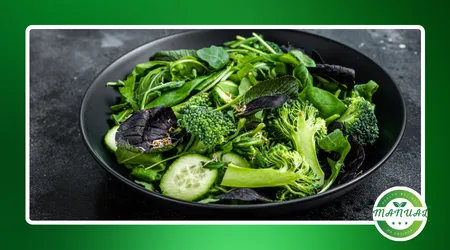
To place spinach and arugula Regularly including food on your plate is one of those simple decisions that solves a huge, silent problem: the accelerated deterioration of our vision.
Adverts
Far from being just grandmotherly advice, science has already confirmed that these dark leaves carry defenses that our bodies simply cannot produce on their own.
Our routines have changed drastically, and our eyes are paying the price. We spend hours staring at screens that emit blue light, relentlessly bombarding our retinas.
This is precisely where the protective role of these vegetables comes in, acting almost like an invisible shield against cellular oxidation.
This guide gets straight to the point. Without incomprehensible jargon, we'll understand how the chemistry of these leaves protects your eyes, compare the nutrients of each one, and see the right way to prepare everything to absorb every last drop of benefit.
Adverts
Article Summary
- Which nutrients protect the eyes?
- How does lutein work in the retina?
- What is the nutritional difference between the leaves?
- How to consume it to maximize absorption?
- Frequently Asked Questions (FAQ)
What nutrients found in spinach and arugula protect the eyes?
The real magic here goes by the names of lutein and zeaxanthin. These carotenoid pigments act as an internal sunscreen for the eyes, accumulating in the retina to absorb the impacts of the harsh light we face daily.
There is also a generous amount of vitamin A, essential for warding off xerophthalmia — that dysfunction that severely dries out the cornea.
Without this basic lubrication provided by the vitamin, the protective barrier of the eyes simply collapses.
The common mistake: Many people rely on expensive pharmacy supplements, forgetting that the food matrix of fresh vegetables delivers a synergy of nutrients that no pill can perfectly imitate.
Oxidative stress caused by continuous exposure to monitors and smartphones is combated by vitamin C, which is abundant in... spinach and arugula.
This antioxidant maintains the integrity of the microscopic blood vessels that supply the back of the eyeball.
To complete the protective package, zinc enters the equation by optimizing the journey of vitamin A from the liver to the retinal tissue.
This mineral partnership protects photoreceptors against light degradation and the harmful effects of ultraviolet rays.
Here is a practical and delicious recipe that perfectly combines the ingredients we were discussing to enhance the absorption of nutrients that protect vision.
Warm Spinach and Arugula Salad with Citrus Dressing
This recipe combines the best of both worlds: lightly sautéed spinach (which releases more lutein) and fresh, peppery arugula (preserving vitamin C).
The fat in olive oil and nuts ensures that your body absorbs the maximum amount of antioxidants.
Ingredients
- 1 small bundle of spinach (cleaned and with the thickest stems removed)
- 1 small bundle of arugula (sanitized)
- 2 cloves of garlic, finely chopped
- 1 tablespoon of extra virgin olive oil (for sautéing)
- 3 tablespoons of chopped walnuts or almonds (for texture and healthy fats)
- 50g of crumbled white cheese (such as Minas cheese, smoked ricotta, or feta)
For the Citrus Sauce:
- Juice of 1/2 a Tahiti or Sicilian lemon
- 2 tablespoons of extra virgin olive oil
- 1 teaspoon of honey (optional, to balance the bitterness of the arugula)
- A pinch of salt and freshly ground black pepper.
Method of preparation
- Prepare the sauce: In a small glass jar or container, combine the lemon juice, two tablespoons of olive oil, honey, salt, and pepper. Seal tightly and shake until emulsified (slightly creamy). Set aside.
- Toast the Oilseeds: In a dry skillet (without oil), toast the chopped walnuts or almonds over medium heat for just 2 minutes to brown and release their aromatic oils. Remove and set aside.
- Sauté the Spinach (Quick): In the same skillet, add the tablespoon of olive oil and lightly brown the garlic. Add the spinach leaves. Sauté for a maximum of... 1 to 2 minutes — just until they start to wilt, but still retain a vibrant green color. Turn off the heat immediately.
- Assemble the Plate: In a pretty serving dish, create a bed of raw arugula leaves. Top with the warm, sautéed spinach.
- Finalize: Sprinkle the crumbled cheese and toasted walnuts over the salad. Drizzle with the citrus dressing just before serving.
Chef's Touch: Eat the salad while it's still warm. The contrast between the cold, peppery arugula and the warm spinach, plus the crunchy touch of the walnuts, elevates this "basic salad" to a restaurant-quality side dish. It pairs very well with grilled fish or grilled chicken.
How does lutein specifically act in the retina?
The macula is the central part of the retina, responsible for the sharp vision we use to read and focus on details.
She has a natural craving for lutein. Consistent consumption of spinach and arugula It maintains the optical density of this region at the correct levels.
Considering our lifestyle, this pigment barrier has become indispensable for neutralizing the damage caused by LED lamps and screens.
Without this protection, the cells of the retina suffer accelerated wear and tear which, in the long run, takes a heavy toll.
Age-related macular degeneration (AMD) is now one of the leading causes of vision loss worldwide.
Keeping the body supplied with these foods is one of the smartest and cheapest ways to prevent the progression of this chronic condition.
Doctors and nutritionists emphasize that the antioxidants in these leaves block destructive chemical reactions triggered by unstable oxygen in cells.
The regeneration cycle of rhodopsin — the pigment that allows us to see in the dark — visibly improves.
+ How cucumber helps with skin hydration and health.
What is the real nutritional difference between these two vegetables?
The mistake is thinking that all dark green leafy vegetables are the same. Spinach is a powerhouse when it comes to its raw lutein concentration, in addition to carrying a respectable amount of iron and magnesium.
But arugula has a different advantage. That characteristic peppery flavor comes from glucosinolates, compounds that help with the overall cellular cleansing of the body.
It also scores points for having fewer oxalates, which facilitates the absorption of other minerals by the intestine.
Looking at the cold, hard numbers below, it becomes clear how the profile of each one unfolds in a standard 100-gram serving of the raw vegetable.
+ The nutrients in kiwifruit and its antioxidant properties.
| Nutrient (per 100g) | Raw Spinach | Raw Arugula | Main Eye Benefit |
| Lutein + Zeaxanthin | 12,200 mcg | 3,555 mcg | Filters blue light from electronics. |
| Vitamin A | 469 mcg | 119 mcg | It protects the cornea and calibrates the focus. |
| Vitamin C | 28.1 mg | 15.0 mg | It protects the microvessels of the retina. |
| Zinc | 0.53 mg | 0.47 mg | Activates enzyme transport. |
How can I consume spinach and arugula to maximize absorption?

There's no point in filling your plate with leaves if your body can't break down those structures to absorb what matters.
Lutein, for example, is fat-soluble. This means it needs a boost from good fats, like a drizzle of olive oil, to be properly absorbed.
Lightly steaming spinach breaks down the leaf's rigid cell walls, releasing more antioxidants.
This rapid thermal process also reduces oxalic acid, an antinutrient that often hinders calcium absorption.
Arugula, on the other hand, calls for the opposite approach: when consumed raw, it preserves vitamin C, which is sensitive to heat, and keeps its spicy compounds intact.
Mixing the two together in a salad creates the ideal environment for your body.
Avoid overcooking these vegetables. Leaving them to wilt in the pan for too long destroys the structure of the vitamins and reduces the meal to a pile of fiber with no therapeutic value.
A simple trick is to squeeze a few drops of lemon juice on top before eating. The vitamin C in the fruit increases the absorption of iron present in the leaves, improving the overall oxygenation of the body, including the eye structure.
+ The effects of acerola on immunity.
The Verdict
Taking care of your vision goes far beyond updating your eyeglass prescription every year. It's a daily commitment that depends directly on what you put on your fork.
The strategic use of spinach and arugula It offers a real, inexpensive, and scientifically based solution to slow down eye strain.
Incorporating these two forces into your routine ensures you get the necessary lutein to protect your retina from the excesses of the modern world.
Treat your diet as the long-term health plan that it truly is.
If you enjoy checking scientific sources and want to read in-depth clinical studies on the impact of carotenoids on human health, it's worth exploring the database of... PubMed Central, a global reference in medical research.
Frequently Asked Questions (FAQ)
What is the recommended daily amount to experience the benefits for your vision?
One cup of steamed spinach or two cups of raw arugula, alternated throughout the week, is enough to meet the lutein goals recommended by experts.
Does cooking spinach ruin its protective properties?
No, as long as it's a quick cooking process. Steaming helps release carotenoids from the vegetable's fibers. Just avoid prolonged cooking under running water, which dilutes the nutrients.
Can I permanently switch from spinach to arugula?
Ideally, you should alternate between them. Spinach delivers a much higher concentration of macular pigments, while arugula offers better digestibility and different bioactive compounds.
Do children gain eye protection by consuming these leaves?
Yes. Childhood is the critical time for accumulating these pigments in the macula, creating a long-term barrier against the blue light from the screens that young children frequently use.
Should people prone to kidney stones avoid spinach?
Those who suffer from calcium oxalate kidney stones should avoid raw spinach. For these people, consuming cooked spinach or prioritizing arugula are much safer alternatives.