
The effects of acerola on immunity.
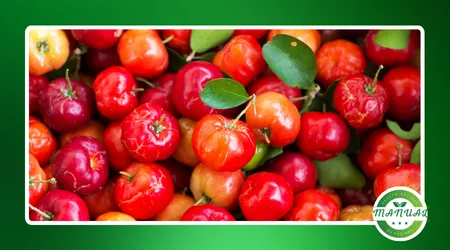
You effects of acerola The role of immune system regulation is often underestimated due to the rush of daily life, which leads us to prefer effervescent supplements to raw foods.
Adverts
This small fruit, although perfectly adapted to Brazilian soil, has a nutritional density that relegates even the famous oranges to a supporting role.
Strategically consuming this fruit isn't just about "avoiding colds," but about providing the body with refined biological intelligence.
It's fascinating how a single fruit can modulate inflammatory responses, preventing the body from overreacting or underreacting to airborne pathogens.
In this guide, we decipher what happens in your cells when you choose acerola as an ally. We go far beyond common knowledge about vitamin C, delving into the real chemistry that supports longevity.
Adverts
- The myth and the reality of ascorbic acid;
- The invisible army: lymphocytes and cellular protection;
- Comparative analysis: why acerola wins the nutritional duel;
- Preparation methods that preserve the life of the food;
- Direct answers to persistent questions.
What are the real benefits and effects of acerola in everyday life?
The chemical complexity of acerola is what makes it a genuine superfood, far from empty marketing hype.
It delivers a complete package of polyphenols and carotenoids that work in a kind of "entourage effect," where one nutrient enhances the absorption of another.
By incorporating fruit into your routine, you're not just ingesting vitamins; you're combating oxidative stress, that silent process that rusts our cells and opens the door to premature aging.
There is something extraordinary about how it aids collagen synthesis, keeping mucous membranes—our first line of defense—resilient and intact.
You effects of acerola These effects extend to the modulation of cytokines, ensuring that the immune system functions with the precision of a Swiss watch.
It's the difference between a body that "puts out fires" and an organism that maintains constant and balanced vigilance.
How does the vitamin C in acerola work in the body's defenses?
It is no exaggeration to say that the ascorbic acid in the fruit is the fuel for Natural Killer cells and T lymphocytes.
Without this support, our defenses operate at a snail's pace, making the response time to invaders dangerously long and inefficient.
The crucial point here, and one that many ignore, is bioavailability. Synthetic vitamin C, bought in pharmacies, often lacks the bioflavonoids present in the fresh fruit.
In acerola, these compounds increase nutrient uptake by approximately 35%, ensuring that it reaches where it really matters.
Nature, it seems, designed the acerola cherry to be a compact and extremely efficient pharmacy.
What do the numbers say about the superiority of acerola?
Analyzing the nutritional information for acerola is an exercise in humility for those who believe that a regular diet is sufficient.
The difference in micronutrient concentration between it and conventional citrus fruits is, to say the least, abysmal.
+ How apples help with satiety and gut health.
| Nutrient (per 100g) | Fresh Acerola | Orange Pear | Impact on the Organism |
| Vitamin C | 1.677 mg | 53 mg | Antibody production |
| Vitamin A | 76 mcg | 11 mcg | Skin and eye integrity |
| Potassium | 146 mg | 181 mg | Muscle function |
| Iron | 0.2 mg | 0.1 mg | Vitality and energy |
| Sugars | 7.6 g | 11.8 g | Lower glycemic impact |
What is the ideal consumption strategy to maximize results?
To enjoy all the effects of acerolaIt's important to respect the fragility of its nutrients. Ascorbic acid is extremely sensitive to light, heat, and oxygen. Cutting the fruit and leaving it exposed is, in practice, watching its health evaporate before your eyes.
Ideally, it should be consumed immediately after preparation. If opting for frozen pulp, check that the process was carried out soon after harvesting, which preserves approximately 90% of the vitamin content.
Avoid sweetening the juice at all costs, as sugar competes for the same cellular transporter as vitamin C, negating some of the benefit.
A little-known tip is to combine acerola with sources of vitamin E, such as a handful of seeds.
This union creates an antioxidant protection network that shields both the interior and the cell membrane from external damage.
+ The nutrients in kiwifruit and its antioxidant properties.
Are there any restrictions or precautions necessary when consuming this product?
Although it is a nutritional boon, moderation is key. Individuals with a predisposition to calcium oxalate kidney stones need to exercise caution.
Excess vitamin C, in some specific metabolic processes, can promote the crystallization of substances in the urine.
Furthermore, the pronounced acidity may bother those who suffer from gastritis or stomach sensitivity.
In these cases, the strategy is to never consume the fruit on an empty stomach, preferring to include it as a natural dessert after main meals, which also optimizes the absorption of iron from lunch.
Moreover, it is one of the most democratic foods that exist. From introducing solid foods to elderly care, acerola adapts as a low-cost tool with very high biological performance.
Enhanced Acerola Juice: The Definitive Recipe
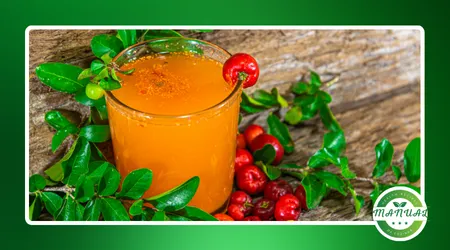
Forget about thin, lifeless juices. This preparation focuses on the maximum extraction of active compounds, using ginger as a thermal catalyst and propolis as a structural reinforcement for your immune system.
+ The positive effects of coconut water on hydration.
What you will need
- 200g of fresh acerola cherries (preferably the very red ones);
- 2 cm of peeled fresh ginger;
- 300ml of mineral water or coconut water (for extra hydration);
- 5 drops of good quality green propolis extract.
How to prepare
- Wash the acerola cherries carefully, keeping the peel on where a good portion of the polyphenols are located;
- In a blender, combine the fruit, water, and ginger. The secret is to blend for a short time;
- Use quick pulses to avoid heating the mixture and to preserve the live enzymes;
- Strain out only the excess fiber and seeds, keeping the vibrant color;
- Finish with the propolis and drink immediately, enjoying the refreshing sensation your body will appreciate.
The journey to unwavering immunity doesn't involve complex laboratory formulas, but rather choices that respect the seasonality and potency of foods.
You effects of acerola They are a reminder that sophistication often resides in the simplicity of a fruit harvested at the right time.
Understanding this dynamic is the first step towards taking ownership of one's own health.
When we stop treating nutrition as something generic and start seeing each micronutrient as a building block, the body responds with vitality, mental clarity, and resilience.
May the acerola cherry cease to be merely an ornament in the orchard and become the central pillar of your wellness strategy. After all, prevention is the most profitable investment we can make.
To continue exploring the science behind longevity, it is worth consulting the guidelines of... World Health Organization (WHO)which reinforces the fundamental role of fruits in protecting the human genome.
FAQ – What you still need to know
Is it bad to drink acerola juice every day?
On the contrary. For most people, a daily glass keeps antioxidant reserves at ideal levels, protecting DNA against mutations and oxidative damage.
Does freezing negate the effects of acerola?
It doesn't eliminate the vitamin C, but it slightly reduces it. If frozen quickly, the loss of vitamin C is minimal, making the pulp a viable alternative for those who don't have access to fresh fruit year-round.
What is the best time to consume it?
In the morning or right after lunch. Consumption after main meals is strategic, as vitamin C triples the absorption of iron present in vegetables and beans.
Does acerola help with skin health?
Yes, and in a profound way. By stimulating collagen from the inside out, it helps maintain elasticity and tissue repair, combating sun damage.
Can I give acerola juice to babies?
Generally, yes, after six months, but the acidity may be too strong for some palates. Ideally, dilute it in water and observe how the child tolerates it.