
Vegetarian lasagna recipe with eggplant and zucchini
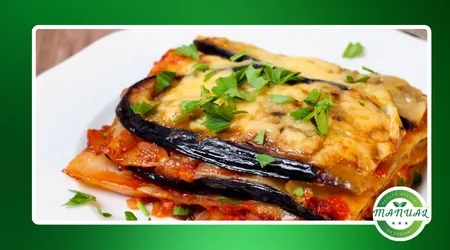
In a world that increasingly embraces food diversity, vegetarian lasagna with eggplant and zucchini emerges not only as an alternative, but as a star of contemporary cuisine.
Adverts
This recipe, which celebrates the abundance and freshness of vegetables, demystifies the idea that meatless dishes are bland or incomplete.
Far from it, it is proof that the complexity of flavors and textures can be found in the simplicity of the garden.
As we uncover the secrets of this delicacy, we realize that it is not just a dish, but a declaration of flavor and health.
The Garden Palate: A Journey of Flavors
The beauty of a vegetarian lasagna lies in its ability to mimic the richness of traditional versions.
Adverts
Eggplant, with its soft, slightly bitter flesh, and zucchini, with its mild sweetness, complement each other harmoniously.
They create a robust base that dispenses with meat without sacrificing substance. The combination of these two ingredients is the soul of the dish.
Preparation begins with properly treating the vegetables. Grilling or lightly roasting them before assembling the lasagna is a crucial step.
This step, although seemingly simple, concentrates the flavor and eliminates excess moisture. This prevents the final dish from becoming watery.
A good vegetarian lasagna is a balance between the softness of the pasta and the crunchiness of the vegetables.
Zucchini, for example, maintains a firmer texture than eggplant, even after cooking. This adds a layer of sensory complexity.
Read more: Conchiglione stuffed with chicken and cheese sauce
The Secret to a Perfect Sauce
The sauce is the heart of any lasagna. For the vegetable version, the tomato sauce should be vibrant and fresh.
A good homemade sauce, made with ripe tomatoes, basil, and a touch of garlic, makes all the difference. It becomes the glue that binds all the ingredients together.
Imagine the eggplant and zucchini as a blank canvas. The tomato sauce is the first layer of paint, the foundation of a work of art.
It sets the stage for the next brushstroke, the creaminess of the cheese.
Creaminess is another pillar of this recipe. Mozzarella and Parmesan are classic choices that melt perfectly, creating the texture we all love.
For an extra touch of refinement, ricotta or goat cheese can be incorporated. They add acidity that balances the sweetness of the vegetables.

Assembly and the Final Touch
Assembling lasagna is a ritual. The layers of pasta, sauce, vegetables, and cheese follow one another in a choreographed dance.
It's important not to overload the layers. A well-assembled dish ensures that each bite is a complete experience.
Patience is a virtue in cooking, and here it is rewarded.
Letting the lasagna rest for a few minutes after removing it from the oven allows the flavors to intensify and the structure to firm up. This prevents it from collapsing when served.
A practical example is choosing pasta. Fresh pasta cooks faster and absorbs sauce better.
Dry pasta, on the other hand, requires more hydration. It's important to follow the package instructions to avoid surprises.
++ Penne pasta with creamy four-cheese sauce
The Importance of Nutritional Balance
The popularity of vegetarian lasagna with eggplant and zucchini It's not just a question of taste, but also of food awareness.
The search for healthier and more sustainable alternatives has grown exponentially.
A 2023 study by Euromonitor International, for example, indicated that the plant-based food market in Brazil grew 40% compared to 2021.
This shows a significant change in consumption habits.
By incorporating vegetables, we increase our intake of fiber, vitamins, and minerals. Eggplant and zucchini are sources of vitamin B6, vitamin C, potassium, and manganese.
They are essential nutrients for the body.
++ Fettuccine al limone with a touch of parmesan
Compared to a traditional meat lasagna, the vegetarian version is generally lower in calories and saturated fat.
It's the ideal choice for those looking for a lighter diet, without sacrificing the pleasure of eating.
A vegetarian lasagna with eggplant and zucchini proves that flavor and health can go hand in hand.
Below is a simple comparison table that illustrates the nutritional value per 100g serving of a vegetarian lasagna and a traditional meat lasagna:
| Nutritional Component | Vegetarian Lasagna | Traditional Meat Lasagna |
| Calories | 150-180 kcal | 250-300 kcal |
| Proteins | 6-8g | 12-15g |
| Fats | 8-10g | 15-20g |
| Carbohydrates | 15-20g | 15-20g |
| Fibers | 4-6g | 1-2g |
A Recipe with Many Faces
The beauty of this recipe lies in its flexibility. You can adapt it to your needs. vegetarian lasagna with eggplant and zucchini to suit different palates.
For those looking for a vegan option, simply replace the cheese with a nut- or tofu-based version. The béchamel sauce can be made with plant-based milk, such as oat or almond milk.
The filling can also be varied. Mushrooms, spinach, or even lentils can be added for more texture and flavor.
++ Eggplant and Zucchini Lasagna: Lots of Flavor, No Meat
A vegetarian lasagna is not a rigid formula, but an invitation to creativity.
Why limit ourselves to traditional recipes when innovation can lead to such incredible results? vegetarian lasagna with eggplant and zucchini is a testament to that.
It is the result of an evolution in the kitchen.
Conclusion: A Lasagna for Life
In short, the vegetarian lasagna with eggplant and zucchini transcends the concept of a simple dish. It's a complete culinary experience that nourishes the body and pleases the palate.
Its versatility allows for endless adaptations, making it a recipe for all occasions. It reminds us that the true richness of a meal lies in the quality and freshness of its ingredients.
This lasagna is not just an alternative, but a conscious and delicious choice that celebrates the vitality of vegetables.
It is a demonstration that the simplicity of nature can be transformed into something spectacular.
Frequently Asked Questions
1. Can I use other vegetables besides eggplant and zucchini?
Yes, you can add or substitute mushrooms, spinach, or broccoli. Pumpkin or bell peppers are also great options. The recipe is quite flexible.
2. How do I prevent the lasagna from being too runny?
The secret is to pre-roast or grill the vegetables before assembling the lasagna to remove excess water. Another tip is to use a thicker tomato sauce.
3. Can I freeze the lasagna after it is ready?
Yes, lasagna can be frozen. To thaw, simply transfer it to the refrigerator a day in advance and then reheat it in the oven.