
Classic American Apple Pie Step by Step
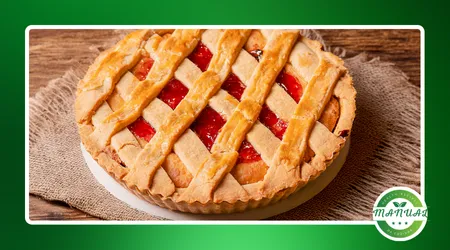
Classic American apple pie is more than just a dessert; it's a piece of history, a symbol of comfort and tradition.
Adverts
It conjures up images of family gatherings and an unmistakable aroma that fills the house.
Next, we'll dive into the preparation of this masterpiece, demystifying each step so you can achieve the perfect result.
The Essence of Apple Pie: The Secret to Perfect Crust
The success of classic American apple pie starts at the base. The dough should be buttery, flaky, and crispy, contrasting with the soft filling.
The key is to keep the butter very cold throughout the process, to create the layers of steam that result in the ideal texture.
Adverts
Think of butter as tiny blades of air: when baking, the steam it generates separates the layers of dough, creating the structure we all love.
The dough recipe calls for wheat flour, salt, sugar, and very cold unsalted butter, cut into cubes. Gradually adding ice water is crucial.
Don't over-knead, as the gluten will develop and the dough will become tough. Work quickly and gently to keep the temperature low.
Read more: Lemon pie with a crunchy cornstarch biscuit base
Choosing Apples: The Soul of the Filling
For the filling, choosing the right apples is crucial. Varieties like Granny Smith are ideal because they're firm, tart, and hold their shape well when baked.
The contrast between the tartness of the apple and the sweetness of the sugar balances the flavor. Using a blend of apples, such as Granny Smith and Gala, adds complexity to the flavor.
The filling is simple: sliced apples, sugar, cinnamon, nutmeg, a touch of lemon to prevent browning, and cornstarch to thicken the juice.
The starch ensures the filling doesn't get watery. The lemon, in addition to its acidity, enhances the fruit's flavor.
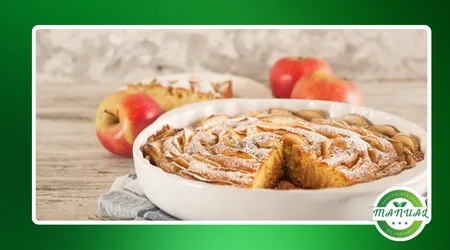
Assembly and Finishing: The Master Touch
Assembling the pie is the artistic part. Roll out half the dough to line the pan, leaving a generous border.
Add the filling and distribute evenly. Cover with the second piece of dough, which can be whole, in strips, or braided.
Creativity is welcome here, as appearance is also part of the experience.
Don't forget to make small slits in the top crust. These allow steam to escape, preventing the pie from cracking or the filling from bubbling out.
++ Homemade Red Velvet Cake Recipe with Cream Cheese
A classic example of this is Betty Crocker's 1950 recipe, where the instructions for cutting the dough are detailed to ensure success.
| Type of Apple | Features | Suggested Use |
| Granny Smith | Acidic and Firm | Essential for the filling, alone or mixed |
| Gala | Sweet and Soft | Use to balance the acidity of Granny Smith |
| Fuji | Sweet and Crunchy | Good for blending, adds texture |
The Baking Process: Patience is Key
Preheat the oven and bake the pie on a higher temperature for about 15 minutes, then lower it to finish. This helps the crust brown quickly, creating the crispiness.
The pie is ready when the crust is golden brown and the filling is bubbling. These bubbles indicate that the juices are thickening.
A chef's tip is to use a baking sheet lined with aluminum foil. This will catch any drippings from the filling. Don't open the oven constantly; temperature fluctuations can affect the dough.
++ Ground Beef Pie with Mashed Potatoes Recipe
Why Did Apple Pie Become an American Symbol?
The history of classic American apple pie goes back to a family tradition. Although the apple is native to Central Asia, Americans embraced it and transformed it.
According to data from the Apple Growers of America in 2024, more than 1,500 varieties of apples are grown in the US, and Granny Smith remains one of the most popular for baking.
Pie is such a powerful symbol of patriotism that during World War II, when a journalist asked soldiers why they fought, the answer, "For Mom, apple pie, and Uncle Sam," became a cliché.
It's a perfect analogy for how cuisine can merge with a nation's cultural identity.
++ Apple Pie: The Classic American Apple Pie Recipe
Recipe Versatility and Modernization
A classic American apple pie It's incredibly versatile. While the traditional recipe is the base, you can add your own personal touches.
For example, an example of innovation is the pie with a touch of salted caramel in the filling, which adds a sophisticated layer of flavor.
Another creative example is to add a little grated ginger to the filling, which adds a subtle heat and spicy aroma.
That's the beauty of apple pie: it accepts small modifications without losing its essence. What is life if not a series of clever adaptations?
Apple pie is proof that tradition and innovation can coexist harmoniously.
Conclusion
Master the classic American apple pie It's a delicious journey. By following these tips, you'll achieve a crispy crust and a succulent filling, perfect for any occasion.
The experience of baking this pie is as rewarding as tasting it.
A classic American apple pie It's a celebration of simplicity, tradition, and, above all, the joy of creating something with your own hands. There's nothing quite like the aroma of a pie baking in the oven.
Frequently Asked Questions
Can I use apples of another variety?
Yes, but choose firm, tart varieties. If using very sweet apples, adjust the amount of sugar in the filling.
How to prevent the dough from getting soggy?
Make sure the dough is well chilled and use cornstarch to thicken the filling.
Do I need to use unsalted butter?
It's recommended because it gives you complete control over the amount of salt in the recipe. If using salt, adjust the amount of salt in the dough.
Is it possible to make the pie in advance?
Yes, you can prepare and assemble the pie and freeze it. Bake directly from the freezer.
What is the best way to serve the pie?
It is usually served warm with a scoop of vanilla ice cream or whipped cream.