
Nonstick vs. Stainless Steel Pans: Pros and Cons
Nonstick vs. Stainless Steel Pans: The Battle in Your Kitchen
Adverts
Choosing pans is one of the most crucial decisions for any culinary enthusiast. The competition between nonstick pans vs stainless steel pans is ancient and fervent, each with its defenders and detractors.
While nonstick promises practicality, stainless steel boasts durability and versatility. But which one deserves a place of honor in your kitchen?
The answer, as with almost everything in life, depends on what you're looking for.
The irresistible appeal of nonstick: Speed and ease
The main advantage of nonstick pans is undoubtedly their practicality. They're the perfect choice for those looking for a quicker, more efficient way to cook.
Adverts
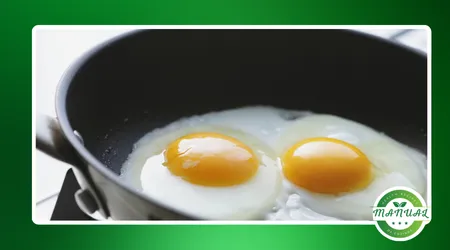
Imagine frying an egg without a drop of oil and watching it glide smoothly onto the plate. That's the promise fulfilled by Teflon or ceramic coating.
Cleaning is equally straightforward, usually requiring just a wipe with a soft sponge. It's like having a personal assistant in the kitchen, ready to make the job easier.
For delicate dishes like omelets or fish, nonstick is unbeatable. Its uniform surface prevents food from sticking, ensuring perfect results.
This characteristic makes it a favorite among beginners and experienced cooks alike. It's no surprise that most Brazilian kitchens have at least one of them.
However, this practicality comes at a price, and I'm not just talking about monetary value. The durability of the nonstick coating is its Achilles' heel.
It's sensitive to high temperatures and metal utensils. A simple scratch can compromise its effectiveness and safety.
Read more: Cooking with kids: ideas to get little ones involved
The robustness and versatility of stainless steel: An investment for life
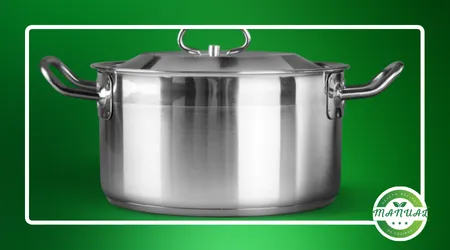
In stark contrast, stainless steel pans are a true battle tank. They are known for their near-eternal durability and resistance.
Metal utensils, high temperatures, and dishwasher safety are no problem. They're ideal for browning, sautéing, and preparing sauces that require high temperatures.
Stainless steel pans distribute heat more evenly, which is essential for developing complex flavors.
The famous "base" that forms during cooking is essential for the flavor of sauces and meats. Versatility is another plus, as they can easily go from the stovetop to the oven.
Their elegant shine also adds a touch of charm, adding sophistication to any kitchen. They are truly a long-term investment for any kitchen.
++ Difference between electric, wood-burning and gas ovens: which is the best choice?
Despite all the advantages, stainless steel cookware has a learning curve. It requires careful handling to prevent food from sticking to the surface.
The preheating technique is crucial to sealing the protein without it sticking. Cleanup can be more laborious and requires a bit more effort.
Comparing the choices: Where does each one stand out?
The real difference between nonstick pans vs stainless steel pans lies in its function. Nonstick is perfect for quick and delicate tasks.
Stainless steel is the best for more robust and complex cooking. This is the case, for example, with a filet mignon seared in a stainless steel pan.
The result is a perfect crust, something nonstick can't replicate. On the other hand, a fluffy, grease-free omelet is a nonstick skillet.
++ How to use a pressure cooker without fear
Each pan has a specific purpose, a role to play. Both can coexist peacefully and complement each other in your kitchen.
It's like comparing a sports car to a cargo truck. Each is designed for a different task, and both excel at their respective tasks.
The health and safety factor: An important consideration
When it comes to nonstick pans, safety is a sensitive issue. Older pans used PFOA, a chemical that raised concerns.
Today, most renowned brands no longer use this substance.
A 2024 Environmental Working Group (EWG) study states that most modern nonstick coatings, when used correctly, pose no significant risk.
However, it's crucial not to overheat the pan and avoid deep scratches. Stainless steel pans, on the other hand, are a completely safe choice.
They don't release chemicals into food. They're made from an alloy of steel, chromium, and nickel, all inert materials. It's no wonder they're preferred in professional kitchens.
++ Stainless steel or nonstick pan? Find out which model is right for your kitchen.
What's the best choice for your kitchen?
The answer isn't "one" or "the other," but rather "both." A well-equipped kitchen has a good variety of pans. A good nonstick pan is perfect for your breakfast eggs and pancakes.
And a sturdy stainless steel pot for your stew or risotto for dinner.
A Statista survey in 2023 revealed that 75% of US households have at least one type of nonstick and stainless steel cookware in their kitchens.
This reinforces the idea that the ideal solution is not to choose between nonstick pans vs stainless steel pans. It is, in fact, integrating them so that they complement each other.
Conclusion: The smart choice of a good cook
The debate between nonstick pans vs stainless steel pans It's not about which is better. It's about understanding the advantages and disadvantages of each.
It's about choosing the right tool for the right task. Your kitchen, like an art studio, deserves the right tools.
The real secret is mastering each of them strategically. Nonstick pans offer agility, stainless steel gives you control. So why not enjoy the best of both worlds?
Frequently Asked Questions
Are non-stick pans really toxic?
Modern pans don't use PFOA, the chemical that raised concerns in the past. To avoid any risk, don't overheat the pan and discard it if the coating is damaged.
How can I prevent food from sticking to the stainless steel pan?
Heat the pan over medium heat before adding the oil or butter. Once the fat is hot, add the food. This will create a barrier that prevents sticking.
What type of pan lasts the longest?
Stainless steel pans are significantly more durable than non-stick pans and, with proper care, can last a lifetime.
Can I use metal utensils in stainless steel pans?
Yes, stainless steel pans are scratch-resistant, so using metal utensils isn't a problem. For nonstick pans, always use silicone, plastic, or wood.
Should I buy a complete kit or individual pans?
Many kits contain pans you may never use. It's more advantageous to buy individual pieces of each type, prioritizing the sizes and shapes you use most often.