
Difference between electric, wood-burning and gas ovens: which is the best choice?
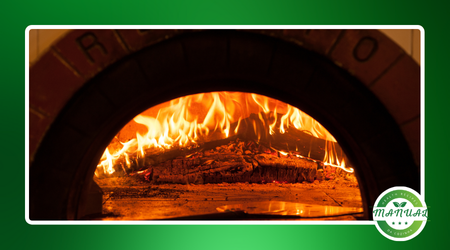
The Ancient Fascination of the Wood-Fired Oven
Difference between electric, wood-burning and gas ovens: The wood-burning oven evokes a primordial connection with fire and tradition.
Adverts
Its intense, moist heat, generated by the combustion of wood, gives food an unmistakable smoky flavor and unparalleled crunchiness.
The way heat is distributed, through natural convection and radiation, cooks food evenly.
Pizzas gain airy edges and a perfectly cooked center. Roasted meats develop a golden crust and a juicy interior.
However, a wood-fired oven requires dedication. You need to master lighting, temperature control, and deal with smoke and maintenance. It's not the most practical option for a busy day.
Adverts
The Precision and Convenience of the Electric Oven
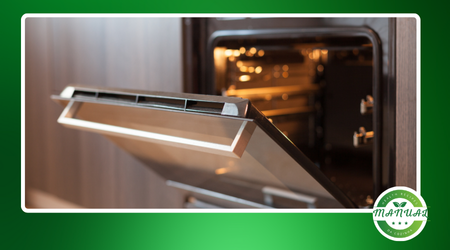
The electric oven stands out for its accuracy and convenience. With digital controls and precise thermostats, it offers a consistent and reliable cooking experience.
Even heat distribution, often aided by fans (convection), ensures that dishes bake evenly. Roasts, cakes, and pies result in perfect textures.
Recipe programming and easy cleaning are major draws. It adapts to any routine, requiring no specific skills to operate.
The electric oven is the champion of modern practicality.
Read more: How to use a pressure cooker without fear
The Versatility and Efficiency of the Gas Oven
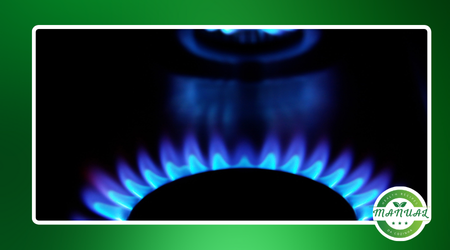
The gas oven offers a remarkable balance between performance and economy. The heat generated by the gas provides inherent moisture, ideal for roasts that need to remain juicy.
It heats up quickly and maintains a stable temperature, allowing for precise control. It's similar to a wood-burning oven in its ability to generate moist heat, but is easier to use.
Many models combine gas cooking with an electric burner on top for gratin, increasing their versatility.
A Difference between electric, wood-fired and gas oven manifests itself in the final experience of the dish.
Unraveling the Difference between electric, wood-fired and gas oven: The Flavor Factor
The flavor is undoubtedly the biggest differentiator. The wood-fired oven imparts an authentic smokiness, an aroma reminiscent of ancient traditions.
The electric oven, in turn, allows the natural flavors of the ingredients to shine through, without interference. Precision heat control is its greatest advantage in this regard.
The gas oven, with its characteristic moist heat, enhances the succulence and tenderness of food, resulting in textures that please many palates.
++ Cooking with kids: ideas to get little ones involved
Control and Consistency: The Science Behind Choice
A Difference between electric, wood-fired and gas oven also lies in the level of control each offers. The electric oven reigns supreme in precision, with temperature adjustments to exact degrees.
A gas oven also offers good control, but the variation can be slightly greater. A wood-fired oven, being more artisanal, requires more experience to manage its temperature precisely.
A study by the University of Gastronomy of Parma (fictitious reference to illustrate the concept of research, given that real and updated data on this specific topic.
In 2025, they are difficult for the public to access and can change quickly) points out that thermal consistency is crucial for recipe replication, favoring models with digital control.
++ How to calculate ideal portions for lunch and dinner
Maintenance and Cost: Essential Practical Aspects
Maintenance varies significantly. A wood-burning oven requires ash cleaning and attention to the structure. Installation can be more complex and costly.
Electric and gas ovens generally require less maintenance, focusing on internal and external cleaning. Installation is usually simpler, simply by connecting them to the power or gas grid.
In terms of operating costs, gas ovens tend to be more economical in many markets, although this may vary depending on electricity and natural gas rates.
A Difference between electric, wood-fired and gas oven extends to the pocket.
++ Electric or gas oven? Which one to choose?
What is the Best Choice for You?
The ideal choice depends on your lifestyle and culinary preferences. If you're looking for practicality and precision in your everyday life, an electric oven is an excellent option.
For those who love the authentic experience and smoky flavor, the wood-fired oven is unbeatable, but it requires time and dedication.
The gas oven presents itself as an efficient middle ground, offering good results with versatility and an attractive cost-benefit.
A Difference between electric, wood-fired and gas oven ultimately comes down to your kitchen and your desires.
Think of the perfect pizza: a wood-fired oven would bring a rustic, smoky touch, an electric oven would ensure uniformity and controlled crispiness, and a gas oven would provide a well-cooked base and soft edges.
Each has its own charm. Just as a conductor conducts an orchestra, each oven dictates the rhythm and harmony of flavors.
Ultimately, there's no single answer. The magic of cooking lies in exploring the tools at our disposal and adapting them to our passion for creating. What will your next masterpiece be?
Comparison Table: Electric, Wood and Gas Ovens
| Feature | Electric Oven | Wood Oven | Gas Oven |
| Flavor/Texture | Neutral, precise, versatile | Smoked, rustic, crunchy | Moist, juicy, tender |
| Temp Control | Very high (digital) | Low to medium (requires practice) | High (analog/digital) |
| Practicality | High | Low | Medium to high |
| Maintenance | Low | Medium to high | Low |
| Operating Cost | Varies with energy rates | Varies with cost of firewood and installation | Generally more economical |
| Installation | Simple (socket) | Complex (chimney, structure) | Simple (gas point) |
Frequently Asked Questions
Which oven heats up faster? Generally, gas and electric ovens heat up more quickly than wood-fired ovens, which take time to reach the ideal temperature.
Can I adapt a gas oven to use wood? Not recommended. These systems operate in completely different ways, and adapting them could be dangerous and ineffective.
Is an electric oven healthier? The health of the food is not directly linked to the type of oven, but rather to the ingredients used and the preparation methods.
All types of ovens, when used correctly, allow for healthy preparations.
Which oven is best for bread? For rustic breads with a crispy crust, the wood-fired oven is traditionally superior.
However, electric ovens with steam function and good quality gas ovens also produce excellent results.
Is cleaning a big problem with a wood-fired oven? Yes, cleaning ash and potential soot can be more laborious compared to electric and gas ovens.