How to calculate ideal portions for lunch and dinner
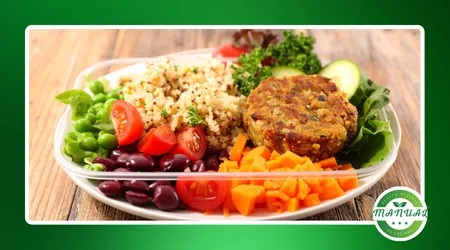
Calculate portions ideal meals can seem like a challenge with the rush of everyday life,
Adverts
Eating well is essential for our health and well-being, but we often find ourselves eating too much or, conversely, not enough.
The art of portioning is not about restriction, but about balance and awareness.
Understanding your body's needs is the first step to smart eating.
Each individual's energy expenditure is different, influenced by factors such as age, gender, physical activity level, and metabolism. Ignoring these factors can lead to nutritional imbalances.
Adverts
Why Do Portion Sizes Matter So Much?
Daily calorie intake directly impacts our weight and overall health.
Consuming more calories than you burn can lead to fat accumulation and the development of chronic diseases, such as type 2 diabetes and cardiovascular problems.
On the other hand, eating too little can result in nutritional deficiencies, fatigue, and loss of muscle mass.
Balance is key to keeping your body functioning optimally. You need to find the right balance for each meal.
Portion control also helps maintain satiety.
++Sweet potato: healthy energy for your daily life
When we eat the right amount, we avoid hunger pangs and the temptation to snack on unhealthy foods between meals. This promotes a healthier relationship with food.
The Most Effective Tools for Portion Control
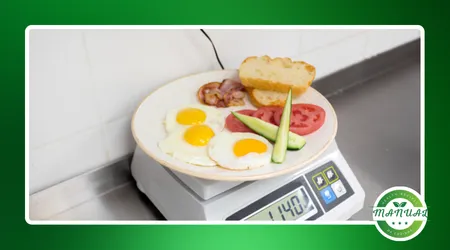
You don't need to be a nutritionist to have an idea of ideal portions.
There are practical, visual methods that facilitate control, without the need for scales or complex measurements. Simplicity can be a great ally.
One of the most intuitive techniques is to use your hands as a guide.
This approach is portable, affordable, and surprisingly effective for estimating the amounts of different food groups. Try this tip today.
For proteins like chicken, fish, or red meat, the size of your palm is a good guide.
++Frozen dessert with just 3 ingredients
This cut of meat should be approximately the thickness of a deck of cards. This ensures you get the right amount.
For complex carbohydrates, such as rice, pasta, or potatoes, a fist-sized amount is generally adequate. This prevents excess energy consumption that the body may not use immediately.
Leafy vegetables, such as salads, can be consumed in larger volumes.
Two handfuls are usually a generous and nutritious portion, rich in essential vitamins and minerals. Don't skimp on the vegetables.
For healthy fats, such as nuts or avocado, the size of your thumb can serve as a guide. Small amounts are enough to reap the benefits, as they are calorie-dense foods.
++Basic Kitchen Cutting Techniques: Master this skill.
It's important to remember that these are general guidelines. Individual needs may vary. Adjust portions based on your activity level and health goals.
Observing your own body is crucial.
The Importance of a Balanced Plate in Everyday Life
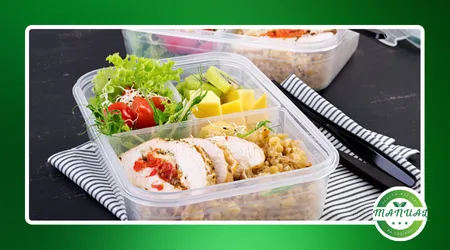
A colorful and varied plate isn't just aesthetically pleasing. It reflects a diverse range of nutrients, essential for the body's proper functioning.
The composition of the dish matters as much as the size of the portions.
Aim to include all food groups in your main meals. Lean proteins, complex carbohydrates, healthy fats, and plenty of vegetables should be present.
This combination promotes satiety and provides energy.
Fiber, found in vegetables, fruits, and whole grains, plays a crucial role in digestion and satiety. Don't underestimate the power of a good source of fiber on your plate.
Explore more: How to determine the ideal food portion size for each person
A survey published in the journal Nutrition Reviews highlighted that education about portion sizes and awareness about food composition are effective tools in preventing obesity.
This study reinforces the importance of understanding what we eat.
Just as a conductor orchestrates a symphony, combining different instruments to create harmony, you orchestrate your meal, combining nutrients in ideal proportions for health.
Each element has its fundamental role.
Practical Tips to Make Portion Calculations Easier
Planning is a great ally. Planning ahead for what you'll eat can help you avoid impulsive and unbalanced choices. Prepare your meals in advance, if possible.
Use smaller plates. Large plates can lead us to add more food, even when we don't need it all. A smaller plate creates the illusion of a larger portion.
Eat slowly and pay attention to your body's satiety signals. We often eat too quickly and only realize we're full when we've already eaten too much. Chewing thoroughly helps.
Avoid eating directly from the package. Instead, serve the portion on a plate or bowl. This helps you get a true sense of how much you're consuming.
An interesting statistic: about 70% of people underestimate the amount of calories they consume in a meal when there is no visual control of the portions.
This shows how easy it is to overeat without realizing it.
How to Adjust Your Portions for Lunch and Dinner
Lunch and dinner are usually the most substantial meals of the day. It's during these meals that we need to ensure we're consuming enough energy and nutrients to sustain our activities and recovery.
For lunch, if you have an active afternoon, you can opt for a slightly larger portion of carbohydrates. If you're more sedentary, adjust to a smaller portion. Flexibility is important.
Dinner, being closer to the rest period, generally calls for smaller portions and lighter meals.
Choose lean proteins and vegetables, avoiding heavy or fatty foods. This aids digestion.
Remember that hydration is also essential. Drinking water before and during meals can help you feel full and aid digestion.
| Food Group | Serving Example (Manual Reference) |
| Proteins (meat, fish, chicken) | Palm |
| Carbohydrates (rice, pasta, potatoes) | Closed fist |
| Leafy vegetables (salad, spinach) | Two hands full |
| Healthy Fats (nuts, avocado) | Thumb |
These references are a great starting point to begin calculate portions in a practical way. Always adapt them to your individual needs and lifestyle.
Isn't it worth taking the time to better understand what and how much we eat? Calculate portions is an investment in your health and well-being.
Conclusion: A Mindful Approach to Your Meals
Learn to calculate portions It's not about following strict rules, but about developing food awareness.
It is a continuous process of listening to the body and adapting to its needs.
With time and practice, portion control becomes intuitive.
You'll develop a healthier, more balanced relationship with food, enjoying the pleasures of cooking without guilt or excess. Prioritize your health.
Frequently Asked Questions
1. Can I use this hand technique for all meals?
Yes, the hand technique is versatile and can be applied to any meal, including breakfast and snacks. Adjust the portions according to the type of food.
2. Is it necessary to measure everything with a scale to be accurate?
It's not strictly necessary for most people. The hand technique offers a practical visual estimate. For specific cases or very specific nutritional needs, a scale can be useful, but it's not the general rule.
3. How do I know if I'm eating the right amount?
Pay attention to your body's signals. Do you feel full, but not stuffed? Do you have enough energy between meals? Is your weight stable? These are good indicators.
4. Does this approach work for those with weight loss goals?
Yes, portion control is essential for weight loss, as it helps manage calorie intake. Combined with healthy food choices and physical activity, it's an effective strategy.
5. What should I do if I feel hungry right after a large meal?
Review your protein and fiber intake; they're the most satiating. Consider whether your meal is complete with all food groups. If hunger persists, a healthy, well-portioned snack may be in order.