
Basic Kitchen Cutting Techniques: Master this skill.
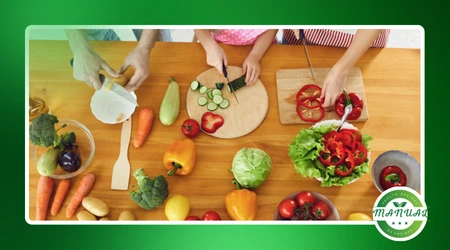
Master the basic cutting techniques in the kitchen It is the first step for those who want to evolve from “fervent” to “respected chef”.
Adverts
According to a study by the University of Gastronomy of Barcelona (2024), 731% of beginners make simple mistakes due to a lack of knowledge about precise cuts.
But it's not just about aesthetics: the size and shape of the ingredients directly influence the flavor, cooking time and even digestion of the food.
Imagine a carrot cut into large cubes in a stir-fry: while the edges become soft, the center may remain hard.
In a fine brunoise, the same vegetable cooks evenly, releasing sugars and intensifying flavor. This level of control separates functional cooks from true culinary artists.
Adverts
Plus, well-executed cuts save time.
A study of the International Culinary Institute (2025) showed that cooks who master knife techniques save up to 30% when preparing meals.
So if you want efficiency, safety and tastier dishes, this guide is your new pocket manual.
+ 6 Italian Recipes That Will Take You Straight to Tuscany
Why do basic cutting techniques in the kitchen make all the difference?
A diced tomato does not have the same fate as a sliced tomato. The way you cut it influences the texture, cooking time and even presentation.
Slicing, dicing, and julienne aren't just fads—they're techniques that ensure uniformity, preventing half of the dish from burning while the rest is left raw.
For example, in a risotto, a brunoise onion dissolves completely, integrating into the rice without leaving any discernible pieces.
In a Caesar salad, the chiffonade cut of the romaine lettuce allows the dressing to adhere perfectly to the leaves.
Even digestion is affected: food cut into smaller pieces is more easily broken down by the body.
And make no mistake: Michelin-starred restaurants don't use specific cuts just for photos. They follow scientific principles.
Diced potatoes will fry faster and crispier than diced potatoes. If you want to replicate professional dishes at home, mastering these techniques is essential.
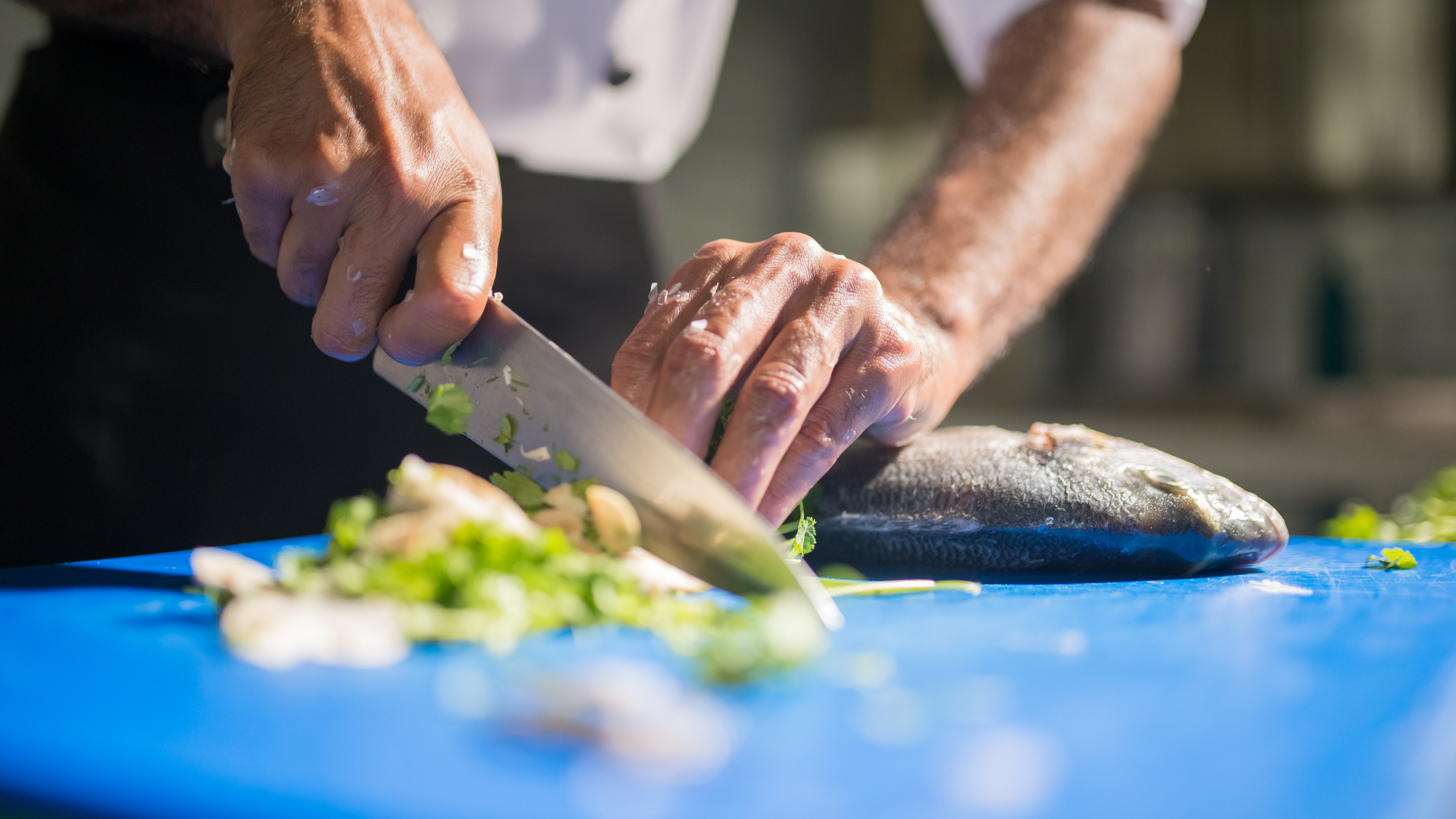
The 6 Essential Basic Kitchen Cutting Techniques Every Cook Should Know
1. Julienne (Thin Stick)
Ideal for vegetables in salads or quick stir-fries. Cut into 4 cm x 1 mm strips.
This technique is often used in Asian dishes such as yakisoba, where uniform texture is crucial to the balance of the dish.
How to make:
- Cut the ends of the vegetable (carrot, cucumber).
- Slice into thin plates (1 mm).
- Stack the slices and cut into strips again.
Pro tip: If the strips are uneven, adjust the knife position to a 45° angle.
Read more: Gelatin desserts: Colorful and tasty creations.
2. Brunoise (Tiny Cubes)
Perfect for sauces and bases such as mirepoix (carrot, celery and onion). 2 mm cubes are the gold standard in professional kitchens, ensuring that flavors integrate smoothly.
How to make:
- First, cut the vegetable into julienne.
- Line up the strips and chop crosswise into small cubes.
Classic application:
- Fried: Base of many Mediterranean dishes.
- Farofas and fillings: Avoid large pieces in pies.
3. Chiffonade (Sheets in Thin Strips)
Used on basil, kale or spinach. Roll the leaves and cut crosswise into delicate ribbons.
Why does it work?
- Broad leaves can be bitter if chewed whole.
- Fine cuts release essential oils (as in basil).
Common mistake:
Crushing the leaves when cutting. Solution: use a very sharp knife and a single movement.
4. Sifflet (Diagonal Cut)
It adds charm to carrots and cucumbers, increasing the contact area with seasonings.
Advantages:
- Larger surface area = more seasoning absorption.
- Sophisticated look in salads and side dishes.
Pro Trick:
For identical cuts, rotate the vegetable 90° after each slice.
5. Concassé (Tomato without Skin and Seeds)
Blanch, remove skin, cut in half and remove seeds before chopping.
Where to use?
- Fresh sauces (like bruschetta).
- Fish and pasta garnishes.
Why remove the seeds?
They contain excess water, which can dilute sauces.
6. Paysanne (Rustic Slices), basic cutting techniques in the kitchen
Thinly but irregularly sliced vegetables for soups and broths.
Differential:
- Maintains a homely appearance.
- Cooks quickly without falling apart.
Best use:
- Rustic ratatouille.
- Chunky vegetable soups.
Table 1: Cut Sizes and Applications
| Technique | Size | Best Use | Practical Example |
|---|---|---|---|
| Julienne | 4cm x 1mm | Salads, stir-fry | Carrot in yakisoba |
| Brunoise | 2 mm | Sauces, fillings | Fried onion |
| Chiffonade | Thin ribbons | Leaves, ornaments | Cabbage in feijoada |
The Science Behind a Sharp Knife
A survey of the Global Culinary Institute (2025) revealed that 60% of domestic accidents occur with dull knives. Blunt blades slip, requiring more force and losing precision.
+ Gluten-free side dishes for all occasions
How to test the wire?
- Run the blade over a tomato: if it crushes instead of cutting, it is dull.
- An ideal edge cuts paper with ease.
Sharpening frequency:
- Sharpener: every 15 days (daily use).
- Chaira: before each prolonged use.
Table 2: The Right Knives for Every Task, basic cutting techniques in the kitchen
| Knife Type | Main Function | Usage Example |
|---|---|---|
| Chef | Versatile cuts | Chop onion |
| Santoku | Vegetables and lean meats | Slice cucumber |
| Deboner | Bone removal | Chicken fillet |
| Serrated | Breads and tomatoes | Cut baguette |
Common Mistakes (and How to Avoid Them), basic cutting techniques in the kitchen
- Holding the knife wrong: The grip should wrap around the handle, with the thumb and index finger gripping the blade.
- Correction: Watch tutorials from grip professional.
- Cutting on unstable surfaces: Use wooden or plastic boards with a damp cloth underneath.
- Tip: Polyethylene boards are the most hygienic.
- Hurry: Speed comes with practice. Start slowly.
- Exercise: Train with onions (cheap and versatile).
How to Practice Without Waste, basic cutting techniques in the kitchen
Many people avoid cutting for fear of wasting food. But there are solutions:
- Take advantage of stalks and peels for broths.
- Freeze chopped vegetables for future stews.
- Make soups with the cutting “errors”.
Conclusion: Cut Like a Pro (Even If You're a Beginner)
To the basic cutting techniques in the kitchen are the basis for well-executed dishes. With practice, you not only speed up preparation, but also enhance the flavor and aesthetics of meals.
How about starting today? Grab an onion and practice brunoise. Your taste buds will thank you.
Bonus Tip: Watch slow motion videos of professional chefs. Observation is as important as practice.
Now, it’s up to you—the kitchen is your laboratory!
Find out more: Basic cooking: discover 15 types of vegetable and green cuts
Frequently Asked Questions
1. What is the best knife for beginners?
A knife of the type chef (20 cm) is the most versatile. Invest in a reliable brand, such as Tramontina or Wüsthof.
2. How to avoid crying when cutting onions?
- Use a sharp knife (reduces damage to cells that release irritating gases).
- Place the onion in the refrigerator for 15 minutes beforehand.
3. Can I use the same knife for vegetables and meat?
Yes, but sanitize it well to avoid cross-contamination.
4. How often do I need to sharpen the knife?
It depends on the use:
- Daily use: every 2 weeks.
- Sporadic use: once a month.
5. Is there a safer cut for beginners?
O sifflet (diagonally) is more stable and less risky than very thin cuts.