
Gluten-free side dishes for all occasions
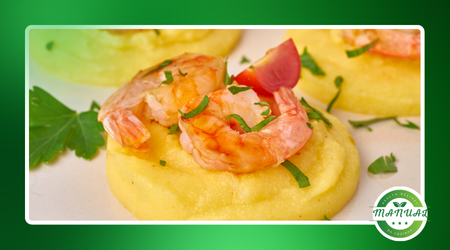
In a world where the search for healthy and inclusive options grows every day, gluten free side dishes stand out as versatile and tasty allies.
Adverts
Whether for a casual meal or a special event, they offer creativity and nutrition without sacrificing the pleasure of the table.
With the growing awareness of restrictive diets and the search for a more balanced diet, these dishes have become essential for those who want to explore new flavors without compromising their health.
Gluten-free cuisine has gone beyond the stage of being just an alternative for celiacs.
Today, it is a conscious choice for those seeking well-being, light digestion and a more harmonious relationship with food.
Adverts
And the gluten free side dishes are proof that it is possible to combine flavor, nutrition and practicality in a single meal.
Why Choose Gluten-Free Side Dishes?
The demand for gluten-free dishes is not limited to celiacs or those with intolerance. According to a 2024 survey by Gluten-Free Market Insights, 35% of consumers seek to reduce gluten by choice, aiming for well-being and light digestion.
This trend reflects a cultural shift: people want to eat better, without sacrificing flavor or variety.
Additionally, many are finding that cutting out gluten can bring benefits like more energy, less bloating, and more efficient digestion.
And that's where the gluten free side dishes shine, combining textures, colors and nutrients in a surprising way.
Another important point is versatility. These dishes can be adapted to different diets, such as vegan, low-carb or high-protein.
This makes them ideal for events with guests of varying preferences, ensuring everyone has delicious and suitable options.
+ Practical and Delicious Mug Cakes for 2025
Tips for Creating Memorable Side Dishes
- Explore Natural Ingredients
Quinoa, sweet potatoes, brown rice, and legumes are perfect bases. They are naturally gluten-free and rich in fiber, vitamins, and minerals. For example, a quinoa salad with avocado and sun-dried tomatoes is a quick and nutritious option for a light lunch. Another idea is to use root vegetables, such as beets and carrots, to create colorful and flavorful side dishes. Roasted in the oven with olive oil and herbs, they become an irresistible dish. - Innovate with Seasonings
Fresh herbs, spices, and homemade sauces can elevate any dish. Try chimichurri with roasted butternut squash or arugula pesto with grilled mushrooms. These combinations add a touch of gourmet flair without the hassle. For a more exotic flavor, add curry, ginger, or turmeric. Not only do they add depth of flavor, but they also have anti-inflammatory and antioxidant benefits. - Textures that Enchant
Combine crunchiness and creaminess. For example, toasted cauliflower with mashed yams is an irresistible combination. Another option is to use nuts and seeds to add crunch to salads and hot dishes. For an even richer experience, try gratinating vegetables with gluten-free cheeses and almond flour. The result is a comforting dish full of personality.
Options for Every Occasion, Gluten-Free Side Dishes
For Light Lunches
- Quinoa salad with avocado, sun-dried tomatoes and nuts.
- Roasted vegetables with olive oil and rosemary.
These options are practical and can be prepared in advance, ideal for those looking for quick meals without sacrificing nutrition.
For Sophisticated Dinners
- Mushroom risotto with arborio rice.
- Yam puree with truffle and caramelized nuts.
These dishes impress with their presentation and flavor, perfect for special occasions or romantic dinners.
For Barbecues and Informal Gatherings
- Plantain farofa with bacon and cashew nuts.
- Pineapple, bell pepper and marinated tofu skewers
These recipes are uncomplicated and crowd-pleasers, ensuring success at any gathering.
Read more about: How to Create a Sustainable Kitchen: Tips for Reducing Your Environmental Impact
Table 1: Nutritional Comparison of Gluten-Free Side Dishes
| Follow-up | Calories (per serving) | Fibers (g) | Proteins (g) |
|---|---|---|---|
| Cooked quinoa | 120 | 2,8 | 4,4 |
| Baked sweet potato | 90 | 3,3 | 2,0 |
| Brown rice | 110 | 1,8 | 2,6 |
Benefits Beyond Diet
Opt for gluten free side dishes It's not just about restriction. They promote smoother digestion, reduce inflammation, and help control blood sugar.
Furthermore, they are great for those looking for a more natural and less processed diet.
Another benefit is the variety of nutrients that these dishes offer. Ingredients such as quinoa, legumes and seeds are rich in vitamins, minerals and antioxidants, essential for balanced health.
Read more: Gluten-free recipes to diversify your daily menu
Table 2: Frequency of Consumption of Gluten-Free Side Dishes (2025)
| Age Range | Consume Regularly (%) | Prefer in Events (%) |
|---|---|---|
| 18-30 years old | 45 | 60 |
| 31-50 years old | 50 | 55 |
| 51+ years | 40 | 50 |
How to Adapt Traditional Recipes
Replacing wheat flour with rice or almond flour is a classic. But go further: use tapioca flour for crunchiness or potato starch for creaminess.
For example, a classic tabbouleh is given new life with quinoa instead of wheat. And a cauliflower gratin with artisanal cheeses and chickpea flour is a comforting option.
Another tip is to explore culinary techniques, such as fermentation and dehydration, to create gluten-free versions of breads, cakes and pastas.
These techniques not only improve the texture but also increase the nutritional value of the dishes.
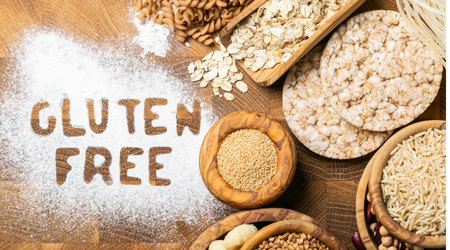
Sustainability in the Gluten-Free Kitchen, gluten-free side dishes
Choosing local, seasonal ingredients reduces your environmental impact. Pumpkins, potatoes, and leafy greens are all great options.
Additionally, using peels and stems in recipes, such as sweet potato peel chips, is a sustainable and economical practice.
Another way to contribute to sustainability is to opt for eco-friendly packaging and reduce food waste.
Planning meals and using leftovers in new recipes are habits that make a difference.
The Importance of Experimentation
Gluten-free cooking is a field full of possibilities. Experimenting with new ingredients and techniques is essential to discovering unique and tasty combinations.
For example, using coconut flour in cakes or chickpea flour in pancakes can yield amazing results. The key is to not be afraid to make mistakes and learn from each attempt.
Conclusion: Versatility that Conquers, Gluten-Free Side Dishes
You gluten free side dishes They are more than a trend; they are a revolution in modern cuisine. They prove that it is possible to combine health, flavor and creativity in every bite.
+ 10 Quick and Easy Blender Cakes for Afternoon Coffee
Experiment, innovate and discover how these dishes can transform your meals into memorable experiences. After all, eating well is also about inclusion and pleasure.
With up-to-date information and practical tips, you are ready to explore the world of gluten free side dishes and surprise yourself and others.
Good choices at the table start with creativity and information!
Frequently Asked Questions
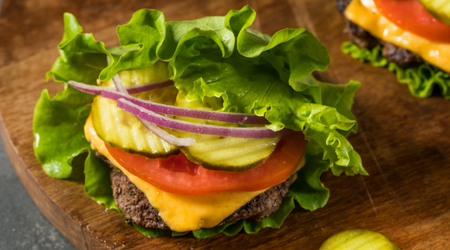
1. What makes a side dish gluten-free?
A gluten-free side dish is one that does not contain wheat, barley, rye, or any derivatives. Ingredients such as quinoa, rice, potatoes, and vegetables are great options.
2. Can I freeze gluten-free side dishes?
Yes, many gluten-free side dishes, such as mashed potatoes and roasted vegetables, can be frozen. Simply store them in airtight containers and thaw in the refrigerator before heating.
3. What are the best substitutes for wheat flour?
Rice flour, almonds, coconut and chickpeas are all excellent alternatives. Each brings unique textures and flavors to dishes.
4. How can I ensure that a dish is 100% gluten free?
Read ingredient labels carefully and avoid cross-contamination. Use clean utensils and surfaces when preparing food.
5. Can I use gluten-free side dishes on low-carb diets?
Yes, options like cauliflower, zucchini and avocado are naturally low-carb and gluten-free, ideal for those looking to reduce carbohydrates.