
How to Create a Sustainable Kitchen: Tips for Reducing Your Environmental Impact
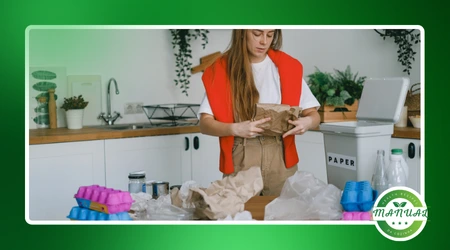
In 2025, create a sustainable kitchen has become an urgent need.
Adverts
With increasing environmental awareness, small changes in the culinary environment can have big positive impacts.
The kitchen is one of the most dynamic spaces in the house, where daily habits can be transformed to benefit the environment.
In this guide, we explore detailed practices and real-world examples to help you reduce your environmental impact without sacrificing convenience and taste.
1. Choosing Efficient Appliances
Energy efficiency is the heart of a sustainable kitchen. Choose appliances with the Procel A seal, which consume up to 30% less energy.
Adverts
According to the International Energy Agency (2024), this reduction could reduce the domestic carbon footprint by 15%.
Also, consider the size of the appliances. Smaller refrigerators, for example, are ideal for homes with fewer people, avoiding unnecessary energy consumption.
Another tip is to use the electric oven only when necessary, preferring pressure cookers or gas cooktops, which are more efficient.
| Home appliance | Average Consumption (kWh/year) |
|---|---|
| A+ Refrigerator | 200 |
| Gas stove | 150 |
| Electric Oven A++ | 100 |
Finally, keep your appliances in good condition. Regularly clean exhaust filters and refrigerator coils to ensure optimal operation.
Read too: Seafood Pasta: Special Sophisticated Recipes
2. Prioritize Durable Utensils (create a sustainable kitchen)
Investing in quality utensils is essential for create a sustainable kitchen. Cast iron pans, for example, last for decades and distribute heat evenly, reducing cooking time.
Avoid disposable products such as plastic spoons and single-use aluminum molds.
Instead, opt for bamboo cutting boards, which are biodegradable, or stainless steel knives, which can be sharpened and reused for years.
Another sustainable practice is to repair damaged utensils. A pan with a loose handle can be repaired, avoiding premature disposal.
This “repair rather than replace” mentality is key to reducing waste.
3. Reduce Food Waste
In Brazil, 27 million tons of food are wasted annually (Embrapa, 2025).
Plan your shopping in advance by creating lists based on your weekly menu. This will help you avoid impulse purchases and the accumulation of products that could spoil.
Storing food correctly also makes a difference. Use airtight containers for grains and flours, and store green leaves in paper bags in the refrigerator.
To extend the shelf life of fruits like bananas and avocados, cut them into pieces and freeze them.
| Food | Storage Time |
|---|---|
| Fruits | 3-7 days |
| Vegetables | 5-10 days |
| Grains | 6-12 months |
Also, reuse leftovers. Rice from lunch can be turned into dumplings at night, and vegetable peels can be used to make nutritious broths.
4. Adopt Sustainable Packaging (create a sustainable kitchen)
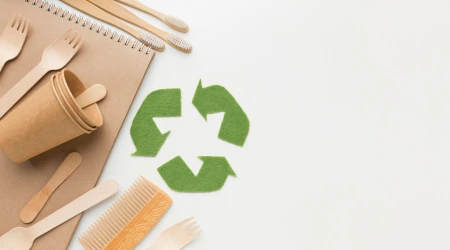
Replace single-use plastics with reusable options, such as glass jars, cloth bags, and beeswax wraps. These choices reduce plastic waste, which takes up to 500 years to decompose.
To carry snacks or shopping, use eco-friendly bags and silicone containers. They are practical, washable and avoid the use of plastic bags.
Read more: The Superpowers of Seeds: Chia, Flaxseed and Quinoa
Another idea is to buy food in bulk, bringing your own reusable containers and bags.
Biodegradable packaging, such as that made from cornstarch, is also a viable alternative for those who need disposable options.
5. Grow Your Own Ingredients
A home garden, even in small spaces, is a practical way to create a sustainable kitchen. Fresh herbs, spices and vegetables reduce dependence on processed products.
Start with herbs like basil, parsley, and mint, which are easy to grow in pots. For those with more space, tomatoes, peppers, and lettuce are great options.
Use homemade compost to fertilize plants, closing the nutrient cycle.
In addition to being economical, home gardening guarantees food free from pesticides, contributing to health and the environment.
6. Save Water and Energy (create a sustainable kitchen)
Install faucets with flow reducers and wash dishes in cold water whenever possible. Also, use the stove strategically, covering pans to cook faster.
Another tip is to take advantage of the oven's residual heat. Turn it off a few minutes before the end of cooking, letting the dish finish cooking with the remaining heat.
To save water, reuse the water from cooking vegetables to water plants or prepare soups.
7. Buy from Local Producers
Purchasing food from organic markets and local farmers reduces transportation emissions and supports the regional economy.
Additionally, local produce tends to be fresher and more nutritious since it doesn’t need to be transported long distances.
+All About Pressure Cookers: How to Use and Care for Them Properly
Get to know the producers in your region and discover seasonal options that add flavor and sustainability to your table.
8. Recycle and Reuse (create a sustainable kitchen)
Separate recyclable waste and give new life to old objects. A glass jar can become a vase, and a wooden box can become a shelf.
Another idea is to turn old clothes into cleaning cloths or reusable bags. Creativity is key to reducing waste and create a sustainable kitchen.
9. Choose Seasonal Foods
Seasonal fruits and vegetables require fewer resources to grow and transport. They are also tastier and more nutritious.
Check seasonal calendars to see which foods are popular at each time of year. This also helps you vary your menu and try new flavors.
10. Educate and Inspire
Share your sustainable practices with family and friends. Collective change is essential for a greener future.
Host sustainable cooking workshops or recipe exchanges that use local, seasonal ingredients.
Education is the basis for transforming habits and preserving natural resources.
11. Technology for Sustainability
In 2025, technology has been a great ally for create a sustainable kitchen.
Applications like “Too Good To Go” connect consumers to restaurants and markets that sell surplus food at reduced prices, preventing waste.
Another innovation is the electric composters, which transform organic waste into fertilizer in just a few hours. These tools make sustainability more accessible and practical for everyday life.
Conclusion
Creating a sustainable kitchen It is not just a trend, but a commitment to the planet.
Small actions, when added together, transform habits and preserve natural resources. Start today and inspire others to follow the same path.
Sustainability in the kitchen goes beyond choosing ingredients and utensils; it is a lifestyle that values the environment and the future of future generations.
With the tips presented, you can transform your kitchen into an eco-friendly space, without sacrificing practicality and flavor.
Frequently Asked Questions
**1. How to start **creating a sustainable kitchen?
Start with small changes, like replacing single-use plastics with reusable options and planning your purchases to avoid waste.
2. What are the most efficient appliances?
Look for appliances with the Procel A seal, which consume less energy. Refrigerators and electric ovens with an A++ rating are great options.
3. How to reduce food waste?
Plan your purchases, store them correctly and reuse leftovers. Composting is also an efficient solution for organic waste.
4. Which utensils are more durable?
Cast iron pans, stainless steel knives, and bamboo cutting boards are examples of products that last for years and reduce waste.
5. How does technology help with sustainability?
Apps and devices, such as electric composters, make it easier to reduce waste and reuse resources.