
All About Pressure Cookers: How to Use and Care for Them Properly
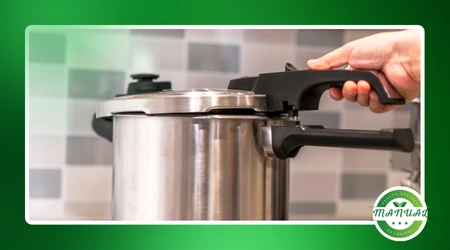
To the pressure cookers They are true allies in the modern kitchen, combining practicality, efficiency and versatility.
Adverts
But do you know how to use them and keep them in perfect condition? Whether you’re preparing a quick bean dish or a succulent stew, mastering this tool can transform your cooking experience.
In this guide, we'll explore everything you need to know about pressure cookers, from how it works to practical tips to ensure safety and durability.
Why Are Pressure Cookers Essential?
Since their invention in the 17th century, pressure cookers revolutionized cooking.
According to a study by the University of São Paulo (2024), they reduce cooking time by up to 70%, preserving nutrients and flavors.
Adverts
Furthermore, they are economical, as they consume less energy compared to traditional methods.
Practicality is another strong point. Imagine preparing a meat that would normally take hours in just 30 minutes.
Without a doubt, this is possible thanks to the high internal pressure, which speeds up cooking without compromising the quality of the food.
Read too: How Thermogenic Foods Can Help You Lose Weight
How Does a Pressure Cooker Work?
The secret is in the perfect seal. When heated, the liquid in the pan produces steam, which increases the internal pressure and raises the cooking temperature to up to 120°C.
Therefore, this function allows food to be prepared quickly, maintaining its texture and flavor.
The pressure valve is the key component. It regulates the steam output, keeping the pressure constant.
When the pressure reaches the desired level, steam begins to escape, producing that characteristic sound. This is a sign that the pot is ready to cook.
+ A quick and delicious pressure cooker beef stew recipe
Step by Step Guide to Safe Use
- Check the seal: Before use, check that the rubber seal is intact and clean. A compromised seal can cause leaks and reduce efficiency.
- Never overfill: Fill up to 2/3 full for liquids and up to half full for foods that expand, such as grains. This prevents clogging and accidents.
- Control the fire: Once pressure is reached, reduce heat to medium-low. This keeps pressure stable and prevents overheating.
| Common Mistakes | How to Avoid |
|---|---|
| Open the pressure cooker | Wait for the steam to come out completely and the pressure to normalize. |
| Use little liquid | Add at least 250 ml of water or broth |
| Skip maintenance | Clean and inspect regularly, especially the valve and rubber |
Essential Care for Durability
Keep your pressure cooker in good condition requires attention. Wash it with soap and water after each use, avoiding abrasive sponges that can damage the coating.
To clean the valve, use a toothpick or a specific brush.
Replace the sealing rubber every 12 months or whenever it shows signs of wear. A damaged rubber can compromise the safety and efficiency of the cooker.
Also, avoid storing the pan closed, as this can deform the rubber.
See too: Pasta with pepperoni in the pressure cooker: Step by step
Myths and Truths About Pressure Cookers
- Myth: They are dangerous and can explode.
True: With correct use and proper maintenance, they are safe and efficient. Modern models have multiple safety systems. - Myth: They do not preserve nutrients.
True: Quick cooking preserves vitamins and minerals, especially in vegetables. - Myth: They are difficult to use.
True: With the right instructions, anyone can master using a pressure cooker.
Cooking Times Table
| Food | Time (min) |
|---|---|
| Bean | 20 |
| Rice | 10 |
| Beef | 30 |
| Vegetables | 5 |
| Chicken | 15 |
| Chickpea | 25 |
Tips for Choosing the Best Pressure Cooker
Choose models with modern safety systems, such as double pressure valves and safety locks. Materials such as aluminum and stainless steel are the most durable and easy to clean.
Size is also important. For small families, a 4- to 6-liter pot is sufficient. For larger quantities, opt for an 8- to 10-liter model.
Check that the handle is ergonomic and non-slip, ensuring greater comfort during use.
Before you leave, also read: How to Choose the Best Pans for Your Kitchen
Environmental Impact and Sustainability
By 2025, the industry pressure cookers adopted more sustainable practices. Leading brands use recyclable materials and low-carbon production processes.
Additionally, the durability of these products reduces waste, as a good pan can last for decades with proper care.
How to Innovate in the Kitchen with Pressure Cookers
In addition to traditional dishes, pressure cookers are ideal for culinary experiments. How about preparing a creamy risotto in just 10 minutes?
Or a fluffy chocolate cake straight from the pan? The versatility of this utensil allows you to explore recipes that go beyond the conventional.
Conclusion: A Worthwhile Investment
Master the use and care of pressure cookers guarantees quick, nutritious and tasty meals.
With care and maintenance, they can last for decades, becoming indispensable in the kitchen.
Furthermore, their energy efficiency and versatility make them a smart choice for those looking for practicality without sacrificing quality.
This complete guide on pressure cookers offers everything you need to make the most of this incredible tool. Give it a try and discover how it can transform your kitchen routine!
Frequently Asked Questions
1. Can I use pressure cookers on induction stoves?
Yes, as long as the model is compatible. Check the manual or packaging to see if the pan has a magnetic base.
2. How do I know if the sealing rubber needs to be replaced?
If your pan is leaking steam or taking longer to cook, it could be a sign that the rubber is worn out.
3. Can I wash the pressure cooker in the dishwasher?
It depends on the model. Consult the manufacturer's manual, as some parts, such as the rubber and valve, must be washed by hand.
4. What is the difference between aluminum and stainless steel pans?
Aluminum ones are lighter and heat up quickly, while stainless steel ones are more durable and easier to clean.
5. Is it safe to cook acidic foods, such as tomatoes, in a pressure cooker?
Yes, but avoid overcooking as the acid can damage the inner coating over time.
With this information, you are ready to master the use of pressure cookers and transform your kitchen into a space of practicality and flavor!