
How Thermogenic Foods Can Help You Lose Weight

Thermogenic foods have gained prominence as allies in the search for a healthier and more balanced body.
Adverts
They speed up metabolism, increase calorie burning and can be great partners in weight loss.
But how does this work? And what are the best examples to include in your daily life?
We will explore these issues in a clear and practical way, bringing you up-to-date information and tips that you can apply immediately.
Science has already proven that these foods are not just fads.
Adverts
A study published in 2024 by Nutrition Research Reviews showed that regular consumption of thermogenic foods can increase basal metabolism by up to 10%.
This means that even at rest, the body burns more calories.
Additionally, they offer additional benefits such as improved digestion, glycemic control, and reduced inflammation.
In this text, you will discover how to include these foods in your routine, which combinations work best and how to avoid common mistakes. Let's go!
What are Thermogenic Foods?
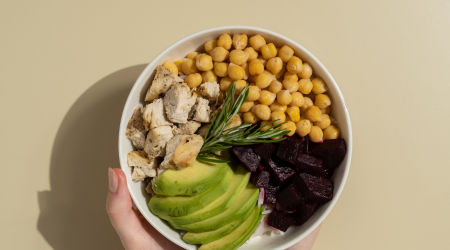
Thermogenic foods are those that require more energy from the body to be digested, processed and absorbed.
This process, known as thermogenesis, raises body temperature and increases energy expenditure. Pepper, ginger, cinnamon and coffee are some classic examples.
But it's not just seasonings that fall into this category. Protein-rich foods, such as eggs and lean meats, also have a thermogenic effect, although less intense.
Look: Cocoa's Superpowers: Why Dark Chocolate Is Good for You
The difference is that natural thermogenics, such as pepper, contain bioactive compounds that enhance this effect.
A practical example is capsaicin, found in red pepper. This substance not only speeds up metabolism, but also reduces appetite, helping to control calorie intake.
How They Act in the Body
When consumed, thermogenic foods stimulate the sympathetic nervous system, increasing the release of norepinephrine.
This hormone activates the breakdown of stored fat, transforming it into energy. In addition, it improves lipid oxidation, an essential process for reducing body fat.
Another important mechanism is the increased production of heat by the body, known as adaptive thermogenesis.
This occurs because the body needs to work harder to process these foods, which results in greater calorie expenditure.
The table below shows the thermogenic potential of some foods:
| Food | Thermogenic Potential (%) |
|---|---|
| Red pepper | 8-10 |
| Ginger | 5-8 |
| Coffee | 3-5 |
| Cinnamon | 4-6 |
Benefits Beyond Weight Loss
In addition to helping burn fat, these foods offer other benefits. Ginger, for example, has anti-inflammatory properties and aids digestion.
+ Lunch and dinner dishes you can freeze
Cinnamon regulates blood sugar levels, reducing insulin spikes that favor fat accumulation.
Pepper, rich in capsaicin, not only speeds up metabolism, but also increases the feeling of fullness. This prevents overeating, contributing to a calorie deficit necessary for weight loss.
Another little-known benefit is the antioxidant effect of these foods. They fight free radicals, slowing down cellular aging and improving overall health.
How to Include Thermogenic Foods in Your Routine
Incorporating these foods into your daily routine doesn’t have to be complicated. Start your day with a cup of black coffee or green tea.
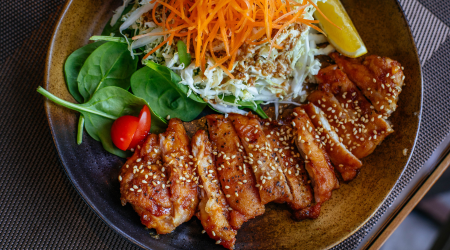
At lunch, season salads with a pinch of pepper or cinnamon. For dinner, try a ginger tea or add the spice to soups and meat dishes.
The table below suggests practical combinations:
| Snack | Suggested Use |
|---|---|
| Breakfast | Black coffee or green tea with cinnamon |
| Lunch | Salad with pepper and grated ginger |
| To have lunch | Vegetable soup with curry |
| Snacks | Ginger tea or flavored water |
For those who enjoy cooking, try recipes like chicken curry, cinnamon bread, or ginger smoothies. These options are both tasty and functional.
Myths and Truths About Thermogenic Foods
A common myth is that these foods alone can work miracles. In fact, they work best when combined with a balanced diet and regular exercise.
Another misconception is that the more you consume, the better. Excess can cause gastric irritation and other discomforts.
On the other hand, it is true that they can be useful for those looking for consistent results.
An eating plan that includes thermogenic foods, lean proteins, and fiber tends to be more effective for weight loss.
Furthermore, it is important to highlight that the thermogenic effect varies from person to person. Factors such as age, gender and level of physical activity influence the results.
Check it out here: 10 myths about genetically modified foods
Combinations that Enhance the Effects
To maximize benefits, combine thermogenic foods with other nutritional groups.
Lean proteins, such as chicken and fish, require more energy to digest, increasing the thermogenic effect.
Fiber, found in vegetables and whole grains, prolongs satiety and regulates the intestine.
A practical example is a dish with grilled salmon, quinoa and broccoli seasoned with pepper and ginger. In addition to being tasty, it contains essential nutrients and increases calorie burning.
Another interesting combination is green tea with lemon. Lemon increases the absorption of antioxidants from the tea, while the tea speeds up metabolism.
Precautions and Contraindications, thermogenic foods
Despite the benefits, it is important to consume these foods in moderation. People with gastritis, ulcers or gastric sensitivity should avoid excess, especially pepper and coffee.
Pregnant and lactating women also need professional guidance before including them in their diet.
Additionally, it is essential to maintain adequate hydration. Thermogenesis increases heat production, which can lead to dehydration if water intake is insufficient.
For those with heart problems, excessive caffeine consumption should be avoided. In these cases, opt for milder options, such as ginger or cinnamon tea.
Thermogenic Foods and Physical Exercise
Combining thermogenic foods with physical activity can enhance results.
Studies indicate that consuming caffeine before training improves performance and fat burning. Ginger reduces post-exercise muscle pain, facilitating recovery.
Drinking a cup of coffee or green tea 30 minutes before your workout can be an effective strategy. After exercise, ginger tea can help you relax and reduce inflammation.
For those who practice high-intensity exercises, such as HIIT, pepper can be an ally. It increases resistance and stamina, allowing for longer and more intense workouts.
The Role of Sleep and Stress
The quality of sleep and stress management also influence metabolism. Sleeping poorly or being under chronic stress increases levels of cortisol, a hormone that promotes fat accumulation.
Thermogenic foods like chamomile tea with cinnamon can help you relax and improve your sleep quality.
Additionally, adequate sleep is essential for muscle recovery and hormonal balance.
A 2023 study showed that people who sleep less than 6 hours a night have a harder time losing weight, even with diet and exercise.
The Importance of Personalization, Thermogenic Foods

Every body is unique, and what works for one person may not work for another.
Therefore, it is important to personalize the consumption of thermogenic foods according to your needs and preferences.
Consulting a nutritionist is the best way to ensure that your diet is effective and safe. They can recommend the ideal amounts and combinations for your specific needs.
Conclusion
Thermogenic foods are powerful tools for those looking to lose weight in a healthy way. They speed up metabolism, increase calorie burning, and offer additional benefits.
As it improves digestion and glycemic control. However, its consumption must be balanced and combined with healthy habits, such as a balanced diet, physical exercise and adequate sleep.
Including pepper, ginger, cinnamon and coffee in your routine can be a simple but significant step towards a healthier life.
Remember to consult a nutritionist to customize your diet and ensure it meets your specific needs.
With planning and consistency, thermogenic foods can be great allies in your weight loss journey.
Frequently Asked Questions
1. Can I consume thermogenic foods every day?
Yes, but in moderation. Excess can cause gastric irritation and other discomforts.
2. Do they work even without diet and exercise?
They work, but the results will be limited. For best results, combine them with healthy habits.
3. How long does it take to see results?
This varies from person to person, but on average, the effects start to appear after 2-3 weeks of regular consumption.
4. Can pregnant women consume thermogenic foods?
Yes, but under medical supervision. Some, such as pepper, should be consumed with caution.
5. What is the best time to consume them?
In the morning or before exercise, to boost metabolism and fat burning.