
Pre-Workout Snack: What to Eat for More Energy
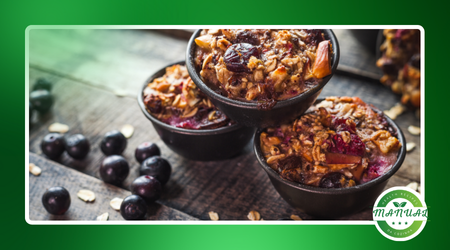
When it comes to physical performance, the pre-workout snack is one of the most important pillars.
Adverts
Choosing the right foods can be the difference between a productive workout and unnecessary burnout.
But what really works? Let’s uncover the secrets of a smart diet that boosts your energy and prevents discomfort.
Pre-workout nutrition isn’t just about eating something before you work out; it’s about providing your body with the right nutrients, at the right time, to maximize results.
In 2025, with the evolution of research in sports nutrition;
Adverts
We know that a pre-workout snack well planned can improve endurance, increase strength and even speed up muscle recovery.
Why is a Pre-Workout Snack Essential?
A study published in 2024 by Journal of Sports Nutrition revealed that athletes who consume a pre-workout snack suitable have an increase of 20% in physical resistance.
This is because the body needs fast, quality fuel to function at its maximum potential. Without it, the risk of premature fatigue and even injury increases significantly.
Additionally, a pre-workout snack helps keep blood glucose levels stable, which is crucial for avoiding dizziness and energy crashes during exercise.
For those who practice high-intensity activities, such as running or HIIT, this stability is even more important.
Another relevant point is the prevention of muscle catabolism.
When the body doesn't have enough energy, it may start breaking down muscle for fuel.
One pre-workout snack rich in carbohydrates and proteins, it prevents this process, preserving your lean mass.
The Perfect Timing: When to Eat?
The ideal time to consume your pre-workout snack is between 30 minutes and 1 hour before the activity.
This interval allows the body to digest and convert nutrients into available energy.
Eating too close to your workout can cause gastrointestinal discomfort, while eating too early can leave you feeling low on fuel mid-session.
For those who train early in the morning, the strategy may be a little different. If you wake up and go straight to exercise, opt for something light and quickly absorbed, such as a banana or a smoothie.
For later-day workouts, a more substantial snack, such as a whole-wheat sandwich with chicken, may be more appropriate.
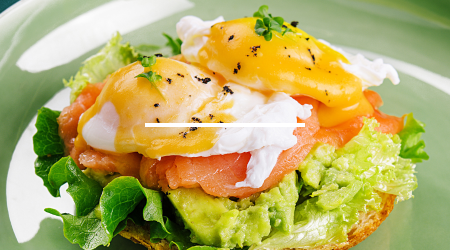
It is worth noting that digestion time varies depending on the type of food. Simple carbohydrates, such as fruits, are digested quickly, while proteins and fats take longer.
Therefore, it is important to adjust the pre-workout snack according to the time and intensity of the exercise.
See too: Lunch and dinner dishes you can freeze
Macronutrients: The Energy Tripod
One pre-workout snack An efficient diet must balance three macronutrients: carbohydrates, proteins and fats. Each plays a unique role:
- Carbohydrates: Primary source of quick energy. They are converted to glucose, which is used by muscles during exercise.
- Proteins: They help with muscle recovery and prevent catabolism.
- Fats: Provides sustained energy, ideal for long-lasting activities.
The table below shows the ideal proportion for each type of training:
| Training Type | Carbohydrates | Proteins | Fats |
|---|---|---|---|
| Aerobic | 60% | 20% | 20% |
| Bodybuilding | 50% | 30% | 20% |
| HIIT | 55% | 25% | 20% |
For those who practice running or cycling, for example, carbohydrates should be prioritized, as they are the main source of energy for endurance activities.
For those who do bodybuilding, protein is more important, as it helps with muscle repair and growth.
It is important to remember that the quality of nutrients also matters.
Opt for complex carbohydrates like oatmeal and sweet potatoes, lean proteins like chicken and fish, and healthy fats like avocado and nuts.
Practical and Healthy Options
Not everyone has time to prepare elaborate meals. So, we've listed some quick and nutritious options to include in your pre-workout snack:
- Banana with peanut butter: Rich in carbohydrates and healthy fats, it is a classic and efficient combination.
- Greek yogurt with granola: It combines proteins and carbohydrates in a balanced way, in addition to being practical.
- Whole wheat bread sandwich with turkey breast: Light and rich in protein, ideal for those seeking satiety.
- Fruit smoothie with oats: Practical and full of energy, perfect for those in a hurry.
For those who prefer savory options, an egg white omelet with spinach or whole-wheat toast with avocado are also excellent choices.
The important thing is to vary and find what works best for your body and routine.
+ 10 pre and post-workout snacks to gain muscle mass
Foods You Should Avoid
Not everything that seems healthy is ideal for pre-workout. High-fiber foods, such as broccoli or beans, can cause digestive discomfort.
Very fatty foods, such as fried foods, slow down digestion and compromise performance.
Another example is foods with a high glycemic index, such as sweets and soft drinks.
They can cause energy spikes followed by sudden drops, which can affect performance. Always choose natural, whole grain options that release energy gradually.
Hydration: The Essential Complement

One pre-workout snack effective is not limited to solid foods.
Hydration is crucial to maintaining electrolyte balance and ensuring your body functions optimally. Drink water or natural isotonic drinks, such as coconut water, before you start exercising.
Dehydration can lead to cramps, fatigue and even dizziness, especially during intense workouts or on hot days.
For activities lasting more than an hour, consider bringing a bottle of water or a sports drink to replace lost electrolytes.
Personalization is Key
Every body is unique, and what works for one may not work for another.
Try different combinations of pre-workout snack and observe how your body responds. Note the results and adjust as necessary.
For example, some people feel better with lighter snacks, while others need something more substantial.
The type of training also has an influence: those who do weight training may need more protein, while runners may prioritize carbohydrates.
Myths and Truths About Pre-Workout
- Myth: Eating a lot increases energy.
True: Excessive quantity can overload the digestive system and cause discomfort. - Myth: Proteins are more important than carbohydrates.
True: Both are essential, but carbohydrates are the main source of quick energy. - Myth: Training on an empty stomach is more effective.
True: It may work for some people, but most people benefit from a light snack. - Myth: Supplements replace natural foods.
True: They can be helpful, but they shouldn't be the basis of your pre-workout nutrition.
The Role of Supplements
For those looking for practicality, supplements such as whey protein or maltodextrin can be good options. However, they are not a substitute for pre-workout snack natural and balanced.
Use them as a complement, not as a base.
Other popular supplements include creatine, which improves muscle strength, and caffeine, which increases focus and stamina.
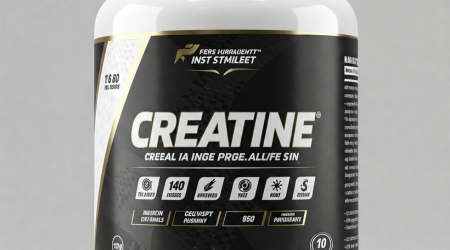
However, it is important to consult a nutritionist before including any supplement in your routine.
Read too: What is the best creatine in 2025?
Weekly Menu Example
Here is a menu suggestion to vary your pre-workout snack throughout the week:
| Day | Pre-Workout Snack |
|---|---|
| Second | Strawberry Oatmeal Smoothie |
| Third | Whole wheat toast with cottage cheese |
| Fourth | Mix of nuts and dried fruits |
| Fifth | Natural yogurt with honey and granola |
| Friday | Egg white omelet with spinach |
| Saturday | Banana and Cinnamon Pancakes |
| Sunday | Pita bread sandwich with chicken |
How to Adjust Your Snack for Different Types of Workouts
Each type of exercise requires a specific nutritional approach.
For endurance training, such as running or cycling, the focus should be on carbohydrates, which provide long-lasting energy.
For bodybuilding, protein stands out, helping with muscle recovery.
For high-intensity activities like HIIT, it's important to balance carbohydrates and proteins to ensure quick energy and efficient recovery.
The table below summarizes the nutritional needs for each type of training:
| Training Type | Main Focus | Snack Example |
|---|---|---|
| Aerobic | Carbohydrates | Banana with honey |
| Bodybuilding | Proteins | Greek yogurt |
| HIIT | Balance | Fruit smoothie |
Conclusion: Smart Energy for Real Results
Invest in a pre-workout snack Proper nutrition is more than just a matter of nutrition; it’s a strategy for achieving your fitness goals more efficiently and with less strain.
Choose foods that suit your lifestyle and training style, and don’t be afraid to experiment with new combinations. Remember: balance and personalization are key.
With these tips, you’re ready to transform your exercise routine and reach new levels of performance. Good luck and happy training!
Cauliflower Recipes: Low-Carb Options Full of Flavor
Frequently Asked Questions
1. Can I train on an empty stomach?
It depends on your goal and the type of training.
For light activities, it may work, but for intense workouts, it is recommended to consume a pre-workout snack.
2. How many calories should a pre-workout snack have?
On average, between 200 and 400 calories, depending on the intensity of the exercise and your metabolism.
3. Can I use supplements instead of food?
They can complement, but not replace, a balanced diet.
4. What should I do if I feel discomfort during training?
Adjust the amount or type of food in your pre-workout snack.
Opt for lighter, easier-to-digest options.
5. What is the best fruit for pre-workout?
Bananas are a great option because they are rich in carbohydrates and potassium, which help prevent cramps.
With this information, you are ready to optimize your nutrition and improve your physical performance. Happy training!