Lunch and dinner dishes you can freeze
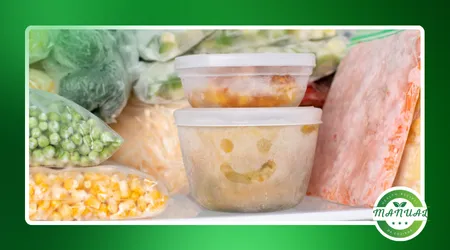
In a world where time is scarce and routine demands more and more agility, lunch and dinner dishes you can freeze have become an indispensable solution for those looking to balance flavor, nutrition and practicality.
Adverts
In 2025, with the acceleration of daily life and the need to optimize tasks, freezing meals is no longer just an alternative and has become an essential habit.
Imagine being able to enjoy a home-cooked lunch or gourmet dinner without having to spend hours in the kitchen. That’s the magic of well-prepared frozen meals.
But why has this practice gained so much popularity? In addition to saving time, freezing food allows you to plan meals in advance, reduce waste and even save money.
And the best part: with the right techniques, it is possible to maintain the flavor and texture of the food, ensuring meals that are as good as those made fresh.
Adverts
Why does freezing meals make sense?
The practicality of having lunch and dinner dishes you can freeze ready to eat goes beyond convenience.
According to a recent survey by Brazilian Nutrition Association, 68% of Brazilian families have adopted the habit of freezing food as a way of optimizing time in the kitchen.
This number reflects a cultural change, where the search for efficiency and quality of life has become a priority.
Freezing meals is also a smart way to reduce food waste. How many times have you prepared a large amount of food and ended up throwing some of it away?
By freezing, you can use leftovers and ingredients that are close to their expiration date, transforming them into future meals.
Furthermore, this practice contributes to sustainability, as it reduces the need for frequent purchases and reduces the environmental impact caused by food waste.
Another important point is the financial savings. By preparing large quantities at once, you can take advantage of promotions and buy ingredients in bulk, which reduces the cost per serving.
For example, a pot of feijoada can yield several meals, which can be frozen and consumed throughout the month.
See too: How to Make Homemade Chicken Sausage: Healthy and Tasty Recipe
How to choose the best dishes to freeze?
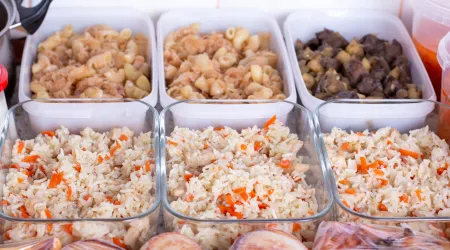
Not all foods adapt well to freezing, but many dishes are real freezer champions.
The key is to choose recipes that maintain their texture and flavor after thawing.
Dishes with creamy sauces, such as stroganoff, or those based on vegetables, such as eggplant lasagna, are ideal.
On the other hand, some foods do not hold up well to freezing. Boiled potatoes, for example, tend to become watery, while mayonnaise can separate and lose its creaminess.
Fresh pasta also requires care: ideally, it should be frozen slightly al dente so that it does not become soft when reheated.
Another tip is to prioritize dishes that are already part of your routine. If you love fish stew, why not prepare an extra portion and freeze it?
This way, you can be sure that you will always have a meal you already know and enjoy on hand.
People with similar interests also read: How to Freeze Food Without Losing Flavor and Nutrients
Techniques for freezing without losing flavor
Freezing food is an art that requires attention to detail. To ensure that your lunch and dinner dishes you can freeze maintain flavor and texture, it is essential to follow some basic techniques.
- Rapid cooling: Before freezing, let the food cool completely at room temperature. This prevents the formation of ice crystals, which can alter the texture and flavor of the food.
- Proper packaging: Use airtight containers or vacuum bags to preserve moisture and prevent freezer burn. For liquids, such as soups and broths, leave about 1 inch of headspace at the top of the container, as they tend to expand when frozen.
- Labeling: Label each container with the name of the dish and the date it was frozen. This helps you keep track of when it will be consumed and organize your freezer.
5 dishes that are a hit in the freezer
- Light feijoada: Rich in protein and fiber, feijoada is a nutritious option that freezes perfectly. For a lighter version, replace the fatty meats with chicken sausage and turkey bacon.
- Chess chicken: The combination of vegetables and chicken holds up well to freezing and retains its flavor. For an extra kick, add cashews after thawing.
- Fish stew: Frozen fish maintains its texture when properly prepared and packaged. Use firm fillets, such as whiting or dogfish, and freeze in individual portions.
- Mushroom risotto: Creamy and flavorful, risotto is a vegetarian option that works well in the freezer. To reheat, add a little water or broth to restore its creaminess.
- Chicken pie: Practical and versatile, chicken pie can be frozen whole or in individual portions. To prevent the dough from getting soggy, freeze the filling and dough separately.
Table 1: Freezer storage time
| Dish | Duration (months) |
|---|---|
| Light feijoada | 3 |
| Chess chicken | 2 |
| Fish stew | 1 |
| Mushroom risotto | 2 |
| Chicken pie | 3 |
How to defrost correctly
Thawing is just as important as freezing. To maintain texture and flavor, transfer the dish to the refrigerator a few hours before eating.
Avoid defrosting at room temperature, as this can encourage the proliferation of bacteria.
For dishes that need to be reheated quickly, such as soups and broths, you can use the microwave or the stovetop.
In the case of pasta and pies, the oven is the best option, as it helps to restore the crispiness of the dough.
+ Storage Tips to Keep Food Fresh Longer
Saving time and money
Freeze lunch and dinner dishes you can freeze not only makes your routine easier, but it also helps you save money.
Buying ingredients in larger quantities and preparing several portions at once reduces costs and avoids frequent trips to the supermarket.
Plus, by planning your meals in advance, you avoid impulse buying and waste.
For example, if you prepare a large batch of brown rice, you can freeze individual portions and use them as a side dish for different meals.
Table 2: Cost comparison
| Dish | Cost per serving (R$) |
|---|---|
| Light feijoada | 8,50 |
| Chess chicken | 10,00 |
| Fish stew | 12,00 |
| Mushroom risotto | 9,00 |
| Chicken pie | 7,50 |
Tips for varying the menu
To avoid monotony, try freezing smaller portions and varying the seasonings.
The same chicken, for example, can be prepared with mustard or curry sauce, offering different flavors to each meal.
Another idea is to create unusual combinations, such as a pumpkin risotto with gorgonzola or a spinach pie with ricotta.
These variations not only make the menu more interesting, but they also ensure that you make the most of the ingredients you have at home.
Freezing is sustainable
In addition to being practical, freezing food contributes to sustainability. By avoiding waste, you reduce your environmental impact and help preserve natural resources.
Imagine the positive impact if all families adopted this practice. Less food would be thrown away, less packaging would be used and less energy would be spent on daily meal preparation.
How to organize your freezer to optimize space
A well-organized freezer is essential to make the most of your lunch and dinner dishes you can freeze.
Start by separating your food into categories, such as meats, vegetables, and ready meals. Use clear containers and bags to make it easier to identify.
Another tip is to stack containers strategically, placing items that will be consumed first at the front. This prevents food from being forgotten at the back of the freezer.
Conclusion
You lunch and dinner dishes you can freeze are the key to a more practical, organized and sustainable life.
With proper planning and techniques, you can enjoy tasty, nutritious meals without spending hours in the kitchen.
In 2025, this is the solution that combines modernity, economy and respect for the environment.
Try incorporating this practice into your daily routine and discover how the freezer can be your greatest ally in the kitchen.
With a little creativity and organization, you will transform the way you eat, ensuring quality meals for you and your family.
Frequently Asked Questions
1. Can I freeze any type of dish?
Not all dishes are ideal for freezing. Avoid foods with mayonnaise, boiled potatoes or very soft pasta.
2. How long can I keep a dish frozen?
Most dishes will last 1 to 3 months in the freezer, depending on the ingredients. See Table 1 for details.
3. How can I prevent food from tasting like it was frozen?
Use airtight packaging and remove as much air as possible before freezing.
4. Can I freeze dishes with creamy sauce?
Yes, but it's important to use quality ingredients and reheat slowly to prevent the sauce from separating.
5. How to defrost quickly?
For quick defrosting, use the microwave on the "defrost" function or place the container in cold water.