
How to Freeze Food Without Losing Flavor and Nutrients
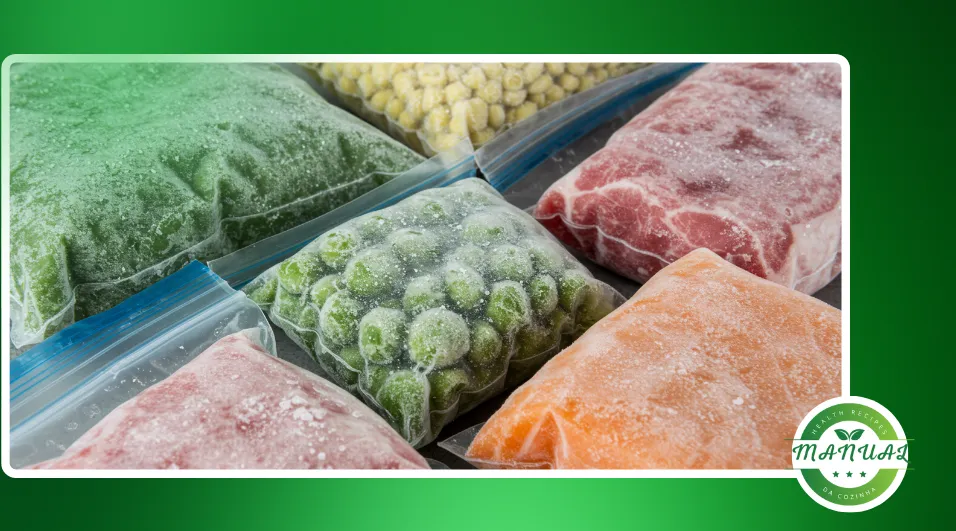
Freezing food without losing nutrients is a practice that can transform the way you organize your kitchen and maintain the quality of your dishes.
Adverts
With the correct technique, it is possible to preserve not only the flavor, but also the nutritional values of food, ensuring healthy and tasty meals even after weeks in the freezer.
Additionally, freezing allows you to buy ingredients in bulk and take advantage of seasonal produce, reducing costs and ensuring you always have fresh ingredients on hand.
This method also encourages meal prep, making it easier to stick to a healthy eating plan by having nutritious options readily available.
In this guide, you will discover how to master the art of freezing food without losing nutrients, with practical tips, advanced techniques and updated information.
Adverts
We will demystify myths, present relevant data and offer a step-by-step guide to help you become an expert on the subject.
Why Freezing Food Can Be a Good Idea?
Freezing is one of the most effective ways to preserve food, but many people are still afraid to use it for fear of losing flavor and nutrients.
However, when done correctly, the process can retain up to 90% of the original nutrients, according to a study published by Journal of Food Science.
Freezing also helps maintain the freshness of seasonal fruits and vegetables, allowing you to enjoy them year-round without compromising on flavor or nutrition.
Plus, it offers a convenient way to prepare meals in advance, reducing the temptation to opt for unhealthy fast food options on busy weeks.
In addition to preserving flavor and nutrients, freezing brings other advantages, such as significantly reducing food waste.
By ensuring you have a stock of frozen meals and ingredients, you can minimize trips to the grocery store and make the most of what you already have.
+ Food preservation tips: see how to save as much as possible!
Techniques for Freezing Food Without Losing Nutrients
1. Choose the Right Foods
Not all foods respond well to freezing.
Vegetables like broccoli, spinach, and peas are excellent choices, while others, like lettuce and cucumber, may lose texture and flavor.
Meats, fish, and breads also do well in the freezer, but it's crucial to prepare them properly.
For example, freezing fruit can be a great way to preserve its flavor and nutrients, especially fruits like berries and bananas, which can then be used in smoothies or desserts.
You can also consider freezing herbs in oil or water in ice cube trays, making it easier to incorporate them into recipes later.
2. Prepare Food Before Freezing
Preparation is essential to freeze food without losing nutrients.
For vegetables, use the blanching technique: dip them in boiling water for a few minutes, then in ice water.
This helps preserve color, texture and nutrients.
Also, consider slicing or dicing fruits and vegetables before freezing, as this can make them easier to use in future recipes.
Meat and fish must be cleaned, dried and packaged in individual portions.
Avoid freezing food that has already been defrosted, as this may compromise its quality.
3. Use Proper Packaging
Packaging is one of the secrets to freezing food without losing nutrients.
Use plastic freezer bags, airtight containers or aluminum foil.
Remove as much air as possible to prevent freezer burn and food oxidation.
Label each package with the contents and freezing date to keep track of what you have.
You may also want to consider using vacuum sealers, which can significantly extend the shelf life of frozen items.
4. Control Freezing Time
Each food has an ideal freezing time.
Meats can last up to 12 months, while vegetables and fruits should be consumed within 8 months.
Use date labels to keep track.
Understanding ideal freezing times can help you avoid freezer burn and ensure your food maintains its quality and flavor.
Check your freezer stock regularly to ensure you use the oldest items first, following the "first in, first out" principle.
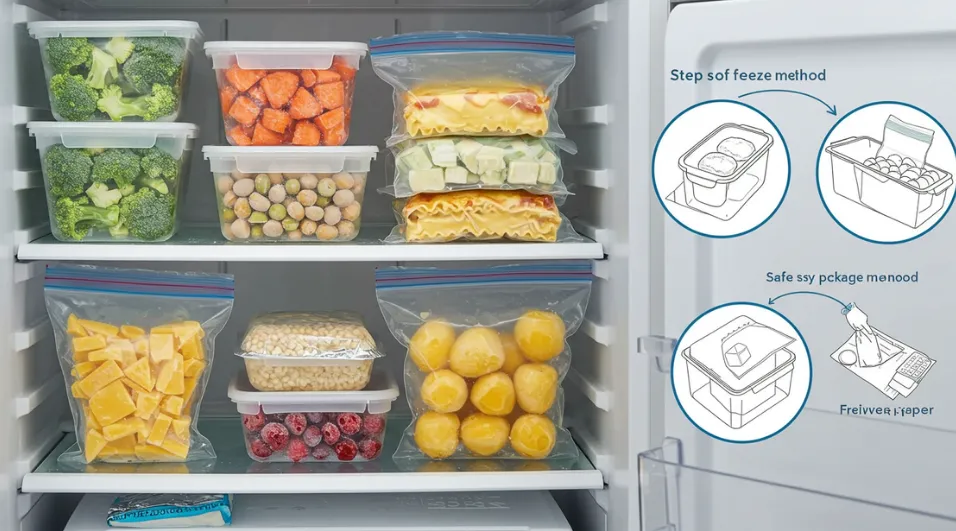
Table 1: Recommended Freezing Times by Food Type
| Food | Maximum Freezer Time |
|---|---|
| Red meats | 8 to 12 months |
| Chicken | 6 to 9 months |
| Fish | 3 to 6 months |
| Vegetables | 8 months |
| Fruits | 6 to 8 months |
| Breads | 3 months |
Myths and Truths About Freezing Food
Myth 1: Frozen Foods Lose All Their Nutrients
Truth: Freezing may cause a small loss of nutrients, but this is minimal compared to the natural degradation of fresh foods over time.
In fact, many frozen vegetables and fruits are picked at their peak ripeness and flash frozen, effectively preserving their nutritional value.
Research has shown that frozen produce can be just as nutritious as fresh produce, especially when you consider foods that can lose nutrients during transportation and storage.
Myth 2: You Can't Freeze Cooked Food
Fact: Ready-made dishes, such as soups and stews, can be frozen without any problems.
Just wait for them to cool completely before putting them in the freezer.
This method not only saves time, but also allows you to enjoy home-cooked meals on busy days.
You can also freeze portions of sauces or dressings, which can enhance the flavor of future meals.
Myth 3: Freezing Food Kills Bacteria
Truth: Freezing does not kill bacteria, it just inactivates their growth.
Therefore, it is essential to sanitize food before freezing it.
Always wash fruits and vegetables thoroughly, and handle meats safely to avoid contamination.
For more information on food safety, you can visit Food safety.
How to Defrost Without Losing Flavor and Nutrients
Defrosting food correctly is as important as freezing it without losing nutrients.
Avoid leaving food at room temperature, as this can encourage the growth of bacteria.
Instead, use one of the following methods to ensure safe and effective thawing:
- In the Fridge: The safest method, ideal for meats and ready-made dishes.
- In the microwave: use the 'defrost' function to defrost food that you will consume immediately
- In a Bain-Marie: For small portions, such as sauces or vegetables, this method works well.
Thawing in cold water may be faster than in the refrigerator, but remember to cook the food immediately after thawing.
Table 2: Thawing Methods and Approximate Times
| Method | Estimated Time | Best For |
|---|---|---|
| Refrigerator | 12 to 24 hours | Meats, ready meals |
| Microwave | 5 to 15 minutes | Small portions |
| Bain-marie | 10 to 20 minutes | Sauces, vegetables |
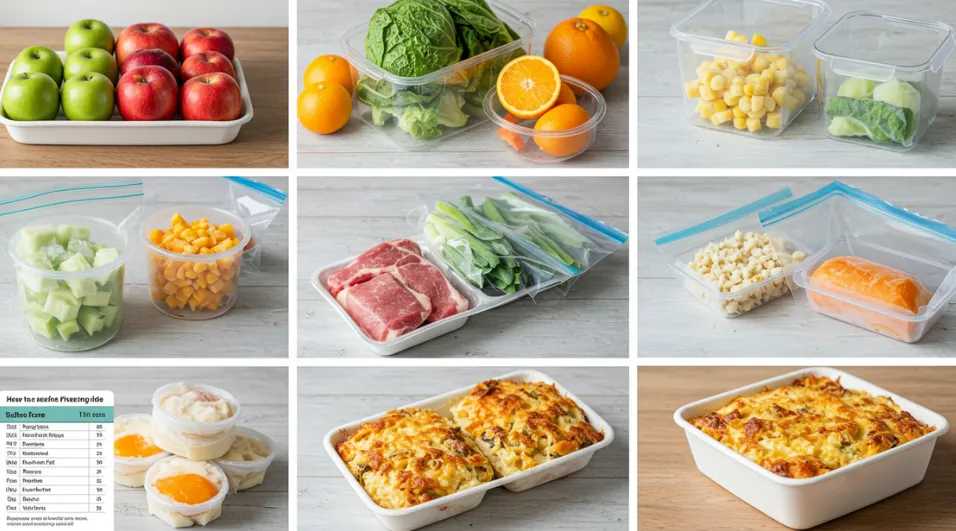
Extra Tips for Freezing Food Without Losing Nutrients
- Avoid Freezing Foods with High Water Content: Tomatoes and watermelons, for example, can become soft after thawing.
Instead, consider drying or using them in cooked dishes before freezing.
- Use Small Portions: This makes defrosting easier and reduces the risk of waste.
Portioning food into meal-friendly sizes can help you avoid defrosting more than you need.
- Label the Packaging: Write down the contents and freezing date to stay organized.
This will help you keep track of what you have and ensure you use the oldest items first.
- Invest in a Quality Freezer: A freezer with a constant temperature of -18°C is essential for preserving food.
Check the temperature regularly and ensure the door seals are working properly to maintain optimal conditions.
++ Superfoods: what they are and how they boost your health
Benefits of Freezing Food Without Losing Nutrients
In addition to preserving flavor and nutrients, freezing brings other advantages:
- Time Saving: Prepare large quantities of food and freeze it to consume throughout the week.
Busy families and individuals looking to simplify meal preparation can particularly benefit from this.
- Waste Reduction: Use leftovers from meals or vegetables that are about to spoil.
This not only saves money, but also contributes to a more sustainable lifestyle.
- Variety on the Menu: Always have healthy and tasty options on hand, even on busy days.
Having a variety of frozen meals on hand can help you maintain a balanced diet without the need for last-minute unhealthy choices.
Conclusion
Freezing food without losing nutrients is a skill that combines practicality and health.
With the right techniques, you can ensure that your dishes maintain flavor, texture, and nutritional value, even after weeks in the freezer.
Now that you know how to freeze food without losing nutrients, how about starting to apply these tips to your routine?
Your fridge and your taste buds will thank you!