
7 Brilliant Tricks to Reuse Food in the Kitchen
Reusing food in the kitchen is a practice that goes beyond domestic economics.
Adverts
It is a sustainable, intelligent and creative attitude that can transform leftovers into delicious and nutritious dishes.
In addition to reducing waste, this practice contributes to a healthier planet and more conscious eating.
In this article, we'll explore seven genius hacks for reusing food in the kitchen.
In this sense, with practical tips, convincing arguments and information that will inspire you to adopt more sustainable habits.
Adverts
1. Turn Peels and Stems into Nutritious Broths
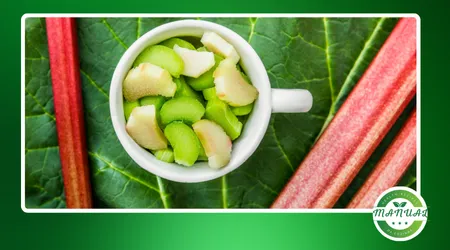
One of the best examples of how to reuse food in the kitchen is using peels and stalks to prepare homemade broths.
Carrot peels, parsley stalks, celery leaves, and even onion skins can be stored in the freezer until you have enough to make a flavorful and nutrient-rich broth.
In addition to being a smart way to avoid waste, these homemade broths are much healthier than industrialized ones, which often contain preservatives and excess sodium.
To prepare, simply cook the leftovers in water with herbs and spices for about 40 minutes.
Then, just strain and store in airtight jars or bags.
Furthermore, another advantage is the versatility of these broths.
They can be used as a base for soups, risottos, sauces and even for cooking rice or vegetables.
This way, you not only reuse food, but also add a special touch to your recipes.
2. Make Alternative Flours with Seeds and Peels
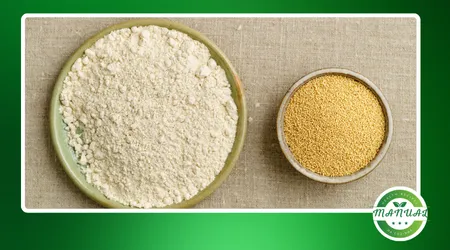
Reusing food in the kitchen can also mean creating new ingredients from parts that would otherwise be discarded.
A shining example is the production of alternative flours from seeds and shells.
Eggshells, for example, can be washed, dried and crushed to become a rich source of calcium.
Pumpkin or watermelon seeds, once dried and ground, become a nutritious flour full of fiber.
These flours can be used in a variety of recipes, such as bread, cakes and pancakes.
In addition to being economical, they add nutritional value to dishes.
For those looking for a healthier and more sustainable diet, this is a smart way to reduce waste and explore new flavors.
It is worth noting that, when using peels and seeds, it is essential to clean them correctly to avoid contamination.
Once dried, they can be stored in closed jars for several weeks, ensuring practicality in everyday life.
Read too: How to Choose the Best Pans for Your Kitchen
3. Make Pâtés and Spreads with Leftover Vegetables
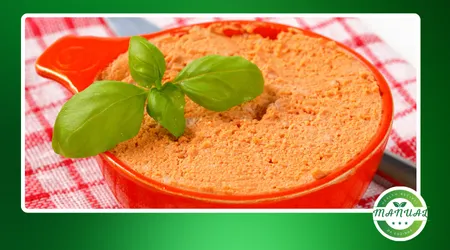
Leftover cooked or roasted vegetables can be given a new life in the form of pâtés and spreads.
Zucchini, eggplant, carrots and beets, for example, can be mashed with a little olive oil, garlic and herbs to become delicious accompaniments for bread, toast and biscuits.
This technique not only helps you reuse food in the kitchen, but it’s also a great option for quick, healthy snacks.
Additionally, these pâtés can be stored in the refrigerator for up to five days, making it easier to organize meals throughout the week.
For those who like to innovate, it is possible to add other ingredients, such as cheese, nuts or natural yogurt, to create flavor variations.
This way, you transform leftovers into sophisticated dishes full of personality.
4. Use Ripe Fruits in Desserts and Jams
Fruits that are too ripe to be eaten raw are perfect for reusing in the kitchen.
Bananas, papayas, mangoes and strawberries, for example, can be transformed into incredible desserts, such as mousses, cakes, smoothies and jellies.
A practical tip is to freeze ripe fruit in pieces to use later in recipes.
This not only preserves flavor and nutrients, but also ensures you have ingredients ready to make quick and healthy desserts.
Additionally, homemade jams are a great way to use up excess fruit.
With just a few ingredients – fruit, sugar and lemon – you can create delicious, natural jams, without artificial preservatives.
These jams can be used for breakfast, snacks and even as a side dish for cheese.
++ How to Save Gas in the Kitchen: Practical Tips
5. Use Amaranth Bread in Creative Recipes
Amaranth bread is one of the most wasted foods, but it can be easily reused in the kitchen with a little creativity.
Toast, puddings, breadcrumbs and croutons are just some of the options for transforming stale bread into tasty dishes.
To make breadcrumbs, simply crush the dry bread in a blender or food processor.
This flour can be used to bread meat, prepare gratin toppings or even in cake and pie recipes.
On the other hand, croutons, made with bread cubes baked in the oven with olive oil and herbs, are perfect for salads and soups.
Another idea is to make puddings or French toast with amaranth bread.
These recipes are simple, economical and guarantee an incredible flavor, proving that reusing food in the kitchen can be a gourmet experience.
6. Reuse food in the kitchen: Transform rice and beans into new dishes
Rice and beans are the basis of the Brazilian diet, but there are often leftovers after meals.
Instead of throwing them away, how about turning them into new dishes?
Rice balls, bean puree, salads and even vegetable burgers are delicious and practical options.
To make rice balls, mix leftover rice with eggs, cheese and seasoning, shape into balls and fry or bake.
On the other hand, beans can be sautéed with onion, garlic and seasonings to make a creamy tutu or a base for vegetable burgers.
These recipes not only prevent waste, but also offer new flavor and texture options.
Plus, they're a great way to encourage kids to eat nutritious foods in a fun way.
7. Freeze Leftovers Strategically
Finally, freezing leftovers is one of the most efficient ways to reuse food in the kitchen.
However, it is important to do this strategically, separating individual portions and identifying each container with the date and contents.
In this sense, cooked vegetables, roasted meats, sauces and even fruits can be frozen for future use.
This way, you will always have ingredients ready to prepare quick and healthy meals, without having to resort to processed foods.
Furthermore, freezing preserves the flavor and nutrients of food, ensuring that it is used in the best possible way.
To defrost, simply transfer the food to the refrigerator a few hours before use or use directly in hot recipes.
++ How to Make Fresh Pasta at Home: Step by Step for Beginners
Table: Benefits of Reusing Food in the Kitchen
| Benefit | Description |
|---|---|
| Waste Reduction | Using all parts of food reduces the amount of waste. |
| Financial Economy | Reusing leftovers reduces spending on purchasing new ingredients. |
| Sustainability | Contributes to the preservation of the environment by reducing waste. |
| Nutrition | Peels, stalks and seeds are rich in fiber, vitamins and minerals. |
| Creativity in the Kitchen | Encourages experimenting with new recipes and flavors. |
Reusing food in the kitchen: Conclusion
Reusing food in the kitchen is a practice that combines economy, sustainability and creativity.
With the tricks presented in this article, you can transform leftovers into delicious, nutritious and personality-filled dishes.
Furthermore, by adopting these habits, you contribute to a more sustainable and conscious world.
So the next time you think about throwing away peels, stems or leftovers, remember the endless possibilities they offer.
Reusing food in the kitchen is not only a way to save money, but also a way to value the resources that nature offers us.
In short, try these tips and discover how small changes can make a big difference!