
How to Save Gas in the Kitchen: Practical Tips
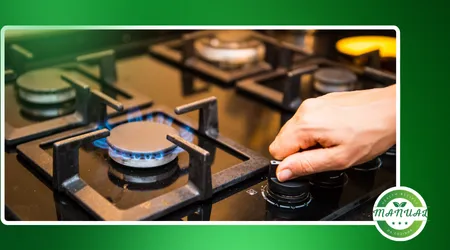
In times of tight budgets and concern for sustainability, save gas in the kitchen has become a necessity for many Brazilian families.
Adverts
In addition to easing your pocketbook, efficient practices contribute to reducing environmental impact.
But how can you do this without compromising the quality of your meals?
In this guide, we've put together smart, up-to-date techniques to help you optimize your gas usage in your kitchen.
Furthermore, awareness about gas consumption is essential to promote a more sustainable lifestyle.
Adverts
Every small effort counts, and the sum of these actions can result in a significant impact on the preservation of natural resources.
Finally, by saving gas, you are also contributing to reducing greenhouse gas emissions.
This is especially important at a time when global warming is a growing concern for us all.
Why Does Saving Gas Make a Difference?
Cooking gas is one of the most essential items in everyday life, but it is also one of the biggest burdens on the household budget.
According to data from the National Petroleum Agency (ANP), the price of a 13 kg cylinder has risen by more than 30% in the last two years.
Furthermore, excessive use of gas contributes to the emission of polluting gases, such as CO₂.
Therefore, adopt measures to save gas not only benefits your pocket, but also the planet.
Additionally, saving gas can help reduce dependence on fossil fuels.
This is critical to the transition to cleaner, renewable energy sources, which are essential for a sustainable future.
Furthermore, by saving gas, you can also be contributing to the country's energy security.
Lower consumption means less pressure on available resources, which can help stabilize prices and ensure access for all.
+ Kitchen Knives: Complete Guide to Choosing and Maintaining Them
1. Choose the Right Utensils
Choosing the right pots and pans can make all the difference to your gas consumption.
Choose utensils with thick bottoms and materials that distribute heat evenly, such as stainless steel or cast iron.
This reduces the time needed to cook food, helping to save gas.
Additionally, using pans with tight-fitting lids can further improve thermal efficiency.
A lid that fits properly helps retain heat and moisture, speeding up cooking and saving gas.
Finally, consider investing in utensils that are compatible with the type of stove you have.
Pans designed for induction cooktops, for example, can heat up more quickly and therefore consume less gas.
Table 1: Comparison of Cookware Materials
| Material | Heat Distribution | Cooking Time | Gas Savings |
|---|---|---|---|
| Stainless steel | Excellent | Fast | High |
| Cast Iron | Very good | Moderate | Average |
| Aluminum | Good | Fast | Average |
| Glass | Regular | Slow | Low |
2. Cover Pans While Cooking
It seems simple, but many people forget this basic tip.
Covering pans while cooking retains heat and speeds up the process, reducing the time you spend on the stove.
According to a study by the University of São Paulo (USP), this practice can reduce gas consumption by up to 30%.
Additionally, covering pans helps preserve the nutrients in food.
When food is cooked with a lid, it retains more moisture and flavor, resulting in healthier, tastier meals.
Furthermore, this practice is especially useful when cooking foods that take longer, such as beans and rice.
With the lid, you can reduce the total cooking time, saving gas and time in the kitchen.
3. Use Residual Heat
Turn off the heat a few minutes before the end of cooking.
Residual heat from hot pans continues to cook food without using more gas.
This technique is especially useful for dishes like rice, pasta, and stews.
Furthermore, this practice can be applied at different stages of cooking.
For example, when preparing soups and broths, you can turn off the heat and leave the pan covered so that the flavors intensify.
Another advantage is that using residual heat can reduce the need to reheat food.
This not only saves gas but also preserves the texture and flavor of the dishes.
4. Use Pressure Cookers
The pressure cooker is a powerful ally for those who want save gas.
It cooks food up to 70% faster than conventional pans, thanks to the internal pressure that raises the boiling temperature of water.
Additionally, the pressure cooker is ideal for preparing foods that normally take a long time, such as grains and tough meats.
This means you can have healthy meals in less time, saving gas and time in the kitchen.
Finally, it is important to follow the safety instructions when using the pressure cooker.
Make sure that the valve is unobstructed and the pan is in good condition to avoid accidents.
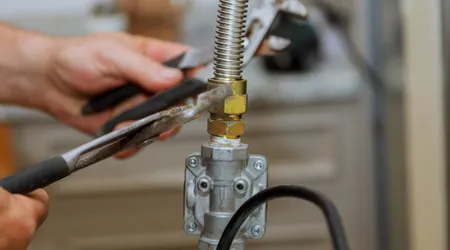
Table 2: Comparative Cooking Time
| Food | Common Pan | Pressure cooker | Time saving |
|---|---|---|---|
| Bean | 2 hours | 30 minutes | 75% |
| Meat | 1.5 hours | 40 minutes | 55% |
| Vegetables | 20 minutes | 10 minutes | 50% |
5. Keep the Stove in Good Condition
Dirty or clogged burners can increase gas consumption by up to 15%.
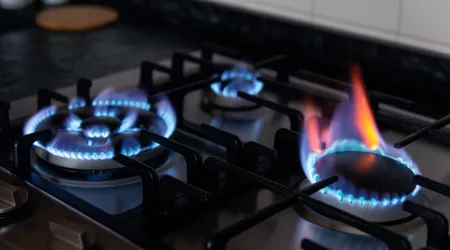
Clean the stove burners regularly and check that the flames are blue and even.
Yellow or irregular flames indicate that the gas is not burning efficiently.
Additionally, proper stove maintenance can extend its lifespan.
A well-maintained stove not only consumes less gas, but also provides better cooking performance.
Finally, consider having your stove professionally checked periodically.
This can help identify issues you might not notice, ensuring it runs efficiently.
6. Cook in Larger Quantities
Preparing large quantities of food at once and freezing portions for future use is a smart strategy.
In addition to save gas, you save time during the week.
This approach can also help prevent food waste.
By cooking in larger quantities, you can use ingredients that are about to spoil, ensuring that nothing goes to waste.
Another advantage is that you can vary the menu throughout the week.
With frozen portions, it's easier to have ready-made, nutritious meals without the daily hassle of cooking.
7. Use Efficient Cooking Techniques
Methods such as steaming or using pans with glass lids allow you to monitor the process without having to constantly open the lid.
This helps maintain the temperature and reduce gas consumption.
Additionally, steaming is a healthy technique that preserves nutrients.
This way of cooking is ideal for vegetables, maintaining their nutritional properties and flavor.
Finally, consider using an electric oven or microwave for certain preparations.
These appliances can be more energy efficient for some recipes, helping to diversify your cooking options.
8. Plan Meals Ahead of Time
Having a weekly menu avoids food waste and unnecessary use of the stove.
Additionally, defrosting food in the refrigerator before cooking reduces preparation time.
Meal planning can also help save time and money.
When you know exactly what you're going to cook, you avoid impulse purchases and waste.
Another tip is to use leftovers from previous meals in new dishes.
This not only saves gas, but also makes cooking more creative and fun.
9. Invest in Efficient Appliances
Modern stoves with efficient burning technology consume less gas.
If possible, consider replacing your old stove with a more current model.
Additionally, appliances with a high energy rating generally offer superior performance.
These models can make a big difference in gas consumption in the long run.
Finally, consider using induction stoves, which are more efficient and faster.
These devices directly heat the pans, reducing heat loss and saving energy.
See too: Cheap Air Fryer: see where to find models for less than 200 reais
10. Educate Everyone in the House
Involve the family in the process save gas.
Explain the importance of turning off the gas valve after use, covering pans and using the residual heat.
Small changes in habits make a big difference at the end of the month.
Additionally, creating an environment of awareness at home can inspire everyone to adopt more sustainable practices.
When everyone is aware of the importance of saving gas, the responsibility becomes collective.
Finally, consider holding family meetings to discuss new ideas and share successes.
This can strengthen collaboration and motivate everyone to commit to saving gas.
Conclusion
Save gas in the kitchen is not just a financial issue, but also an act of environmental responsibility.
With the practical tips presented here, you can significantly reduce your gas consumption without sacrificing the quality of your meals.
Remember that small changes in your daily life can generate big results in the long run.
And you, do you already adopt any of these practices in your kitchen?
Share your experiences in the comments and help others save gas also!
Furthermore, exchanging experiences can inspire new ideas and creative solutions.
Together, we can make a positive impact in our homes and communities.
Finally, remember that every step counts on the journey towards a more sustainable lifestyle.
Let's make saving gas a priority for a greener, healthier future.