
Kitchen Knives: Complete Guide to Choosing and Maintaining Them
Kitchen knives are essential tools for anyone who enjoys the art of cooking.
Adverts
Whether you're a professional chef or a food enthusiast, choosing and maintaining the right knives can make all the difference in your food preparation.
In this comprehensive guide, we’ll explore the different types of knives, how to choose the best ones for your needs, and of course, how to keep them in tip-top shape for longer.
Continue reading:
Types of Kitchen Knives
Chef's Knife: The Essential Versatile Knife
Adverts
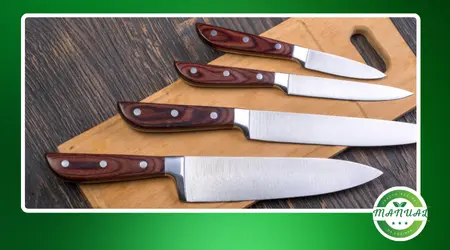
The chef's knife is, without a doubt, the most versatile and indispensable knife in any kitchen.
With a blade that varies between 15 and 30 centimeters, it is perfect for cutting, chopping and slicing a variety of foods.
Additionally, its ergonomic shape allows for precise control, which is essential for advanced cutting techniques.
So if you're building your knife arsenal, start with this one.
Furthermore, the chef's knife is ideal for those looking for efficiency and practicality.
Its wide, sharp blade makes it easy to cut vegetables, meat and even bread.
On the other hand, it is important to choose a quality knife, made of stainless or carbon steel, to ensure durability and performance.
This way, you will have a reliable tool for all your cooking needs.
Finally, it is worth noting that maintaining your chef's knife is crucial to preserving its effectiveness.
Always keep it sharp and clean, avoiding the use of dishwashers, which can damage the blade.
This way, you will ensure that your knife continues to be an indispensable ally in the kitchen.
++ Different ices for drinks: Boost your drink!
Bread Knife: Precise Cutting Without Crushing
The bread knife is another essential piece, especially for those who love fresh, crispy bread.
With a serrated blade, it easily cuts through hard crust without crushing the soft crumb.
Furthermore, its elongated and narrow shape allows for uniform cutting, ideal for perfect slices.
Another important point is that the bread knife is not limited to just bread.
It is also excellent for cutting cakes, pies and other foods with similar textures.
So if you like variety in your kitchen, this knife is a great addition to your set.
Finally, bread knife maintenance requires special attention to the serrations.
Use a special sharpener to keep the edges sharp and avoid cutting hard surfaces, such as bones, to avoid damaging the blade.
This way, you will ensure that your bread knife continues to perform well for many years to come.
Boning Knife: Precision in Every Cut
The boning knife is essential for anyone who works with meat.
With a thin, flexible blade, it allows you to remove bones and cartilage with precision, without wasting meat.
In addition, its sharp tip makes it easier to cut in hard-to-reach areas, ensuring more efficient work.
Another important aspect is that the boning knife can also be used for other tasks, such as filleting fish or cutting delicate fruits and vegetables.
Therefore, its versatility makes it an excellent option for those looking for precision and efficiency in the kitchen.
Finally, maintaining this knife requires special care due to its flexibility.
Always keep it sharp and clean, avoiding use on hard surfaces that could damage the blade.
This will ensure that your boning knife remains a reliable and effective tool.
How to Choose the Right Knife
Blade Material: Stainless Steel vs. Carbon
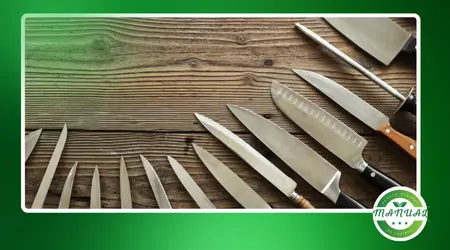
Choosing blade material is one of the most important factors when selecting a kitchen knife.
Stainless steel is a popular choice due to its corrosion resistance and ease of maintenance.
Furthermore, it keeps the thread for longer, which is ideal for those looking for practicality.
On the other hand, carbon steel offers superior sharpness, making it preferred by professional chefs.
However, it requires more care, as it is more susceptible to oxidation.
Therefore, the choice between these two materials should take into account your personal needs and preferences.
Finally, it is important to remember that the quality of the material directly influences the knife's performance and durability.
So invest in a high-quality blade, regardless of the material you choose, to ensure precise and efficient cutting.
Cable: Comfort and Safety
The knife handle is another crucial aspect to consider. It must be ergonomic, providing comfort and safety during use.
Additionally, the handle material can vary between wood, plastic and metal, each with its own advantages and disadvantages.
For example, wooden handles offer a natural and elegant touch, but require more care to avoid cracking.
Plastic handles are more durable and easier to clean, but may not offer the same comfort.
Therefore, the choice of cable should take into account your preferences and needs.
Finally, it is important to test the knife before purchasing, to ensure that the handle fits well in your hand.
This way, you will avoid discomfort and possible injuries during prolonged use.
++ Oxtail Recipe: A Delicious Dish Rich in Vitamin B
Weight and Balance: Perfect Balance
The weight and balance of the knife are factors that directly influence performance and comfort during use.
A well-balanced knife distributes weight evenly between the blade and the handle, providing a more precise and less tiring cut.
Additionally, the weight of the knife should be appropriate for the type of task you perform.
Heavier knives are ideal for heavy-duty cutting, while lighter knives are better for delicate tasks.
Therefore, it is important to choose a knife that suits your cooking style.
Finally, balancing also affects the durability of the knife.
A poorly balanced knife can cause muscle fatigue and even damage to the blade.
Therefore, when choosing a knife, pay attention to weight and balance to ensure superior performance.
Kitchen Knives Maintenance
Regular Sharpening: Keep the Edge Sharp
Regular sharpening is essential to maintain the performance of kitchen knives.
A sharp blade cuts more precisely and safely, reducing the effort required and preventing accidents.
Additionally, sharpening extends the life of the knife by preventing damage to the blade.
There are several sharpening techniques, from using sharpening stones to electric sharpeners.
Each method has its advantages and disadvantages, so choose the one that best suits your needs and abilities.
For example, sharpening stones offer greater control but require more practice, while electric sharpeners are quicker and easier to use.
Finally, it is important to sharpen your knives regularly, depending on how often you use them.
A good practice is to test the blade's sharpness periodically and sharpen it when necessary.
This way, you will ensure that your knives are always in perfect condition.
Proper Cleaning: Avoid Damage
Proper cleaning is crucial to maintaining the integrity of your kitchen knives.
After each use, wash them with warm water and soap, avoiding the use of abrasive sponges that could damage the blade.
Also, dry them immediately to prevent rusting, especially in the case of carbon steel knives.
Another important point is to avoid using dishwashers, which can damage the blade and handle.
High temperatures and harsh detergents can corrode the metal and wear down the handle, reducing the knife's lifespan.
Therefore, hand washing is always the best option.
Finally, store your knives correctly to avoid accidents and damage.
Use a knife block, magnetic strip, or blade protectors to keep your knives safe and organized.
This way, you will ensure that your knives are always ready for use.
Proper Storage: Protect Your Knives
Proper storage is essential to protect kitchen knives and extend their lifespan.
A knife block is a popular option as it keeps your blades organized and protected.
Additionally, it prevents the knives from coming into contact with each other, reducing the risk of damage.
Another option is to use a magnetic strip, which allows you to store the knives on the wall.
This method is ideal for those looking for practicality and a modern look in the kitchen.
However, it is important to ensure that the knives are securely fastened to avoid accidents.
Finally, blade protectors are an excellent option for those who need to transport knives or store them in drawers.
They protect the blade and prevent accidental cuts, ensuring your knives are always safe and ready to use.
++ A quick and delicious pressure cooker beef stew recipe
Kitchen Knives Comparison Chart
| Knife Type | Blade Length | Main Use | Recommended Material |
|---|---|---|---|
| Chef's Knife | 15-30 cm | Cut, chop, slice | Stainless or carbon steel |
| Bread Knife | 20-25 cm | Cut breads, cakes | Stainless steel |
| Boning Knife | 12-15 cm | Debone, fillet | Carbon steel |
| Vegetable Knife | 8-12 cm | Cut vegetables | Stainless steel |
| Filleting Knife | 15-20 cm | Filleting fish | Carbon steel |
Kitchen Knives: Conclusion
Choosing and maintaining the right kitchen knives is essential for anyone who values quality and efficiency in the kitchen.
From choosing the type of knife to proper maintenance, every detail makes a difference in the performance and durability of these indispensable tools.
So, invest time and care in selecting and maintaining your knives, and you will reap the benefits with every meal you prepare.
With this comprehensive guide, we hope to have provided you with the information you need to make smart choices and keep your knives in perfect condition.
In short, remember that a good knife is more than a tool; it is an extension of your culinary skills.
So take good care of them, and they will repay you with years of faithful and efficient service.