
Storing Grains and Flour: How to Avoid Pests and Moisture
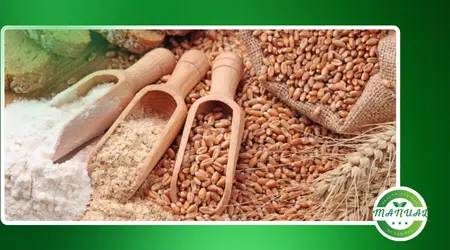
The storage of grains and flours is one of the fundamental pillars to guarantee the quality and durability of these products.
Adverts
Whether on a domestic or industrial scale, proper conservation prevents economic losses and preserves nutritional properties.
However, two major villains can compromise this process: pests and humidity.
In this article, we will explore effective techniques for protecting your grains and flours, based on scientific data and proven practices.
Improper storage can lead to significant losses, both in terms of quality and quantity.
Adverts
Therefore, understanding how pests and moisture work is essential for anyone who wants to keep their food in good condition.
The Importance of Humidity Control
Humidity is one of the main factors influencing the deterioration of grains and flours.
When exposed to high levels of humidity, these products become prone to the development of fungi and bacteria, which can produce toxins that are harmful to health.
According to Embrapa (Brazilian Agricultural Research Corporation), grains with more than 14% of moisture are subject to the proliferation of microorganisms.
To avoid this problem, it is essential to invest in appropriate drying methods.
Artificial drying, for example, is a technique widely used on a large scale, but in domestic environments, the use of silica gel or airtight containers may be sufficient.
Additionally, keeping the storage area well ventilated and away from sources of moisture, such as damp walls or cold floors, is crucial.
It is also important to monitor the humidity of the environment where grains and flours are stored.
A hygrometer can be a useful tool to ensure humidity levels remain adequate.
+ Fluffy cornmeal bread recipe for afternoon coffee
Table 1: Ideal Humidity Levels for Storage
| Product | Recommended Maximum Humidity |
|---|---|
| Rice | 13% |
| Bean | 14% |
| Wheat flour | 12% |
| Corn | 13,5% |
Pests: How to Identify and Combat Them
Pests are another significant challenge in grain and flour storage.
Insects such as weevils, moths and woodworms can infest products, compromising their quality and making them unfit for consumption.
Prevention begins with regular inspection of grains and flours before storage.
Broken grains or those with signs of infestation should be discarded, as they serve as an entry point for pests.
An effective strategy is the use of pheromone traps, which attract and capture adult insects, preventing their reproduction.
In smaller spaces, such as pantries, using aromatic herbs such as bay leaves and cloves can help to naturally repel pests.
For large stocks, fumigation with authorized products is an alternative, but trained professionals must carry it out.
Additionally, regular cleaning of the storage area is essential to avoid attracting pests.
Removing food waste and keeping the area tidy can make a big difference in prevention.
Choosing a Storage Location
The place where we store grains and flours plays a decisive role in their preservation.
Dark, cool and dry environments are ideal, as light and heat accelerate the oxidation of products, compromising their quality.
Avoid areas near kitchens or bathrooms, where humidity tends to be higher.
For those who work with large quantities, silos are the best option.
They are designed to control temperature and humidity, as well as protect grains from pests.
Once at home, choose glass or plastic containers with an airtight seal, which prevent moisture and insects from entering.
In addition to choosing the right container, it is important to position it in a strategic location.
For example, tall shelving can help avoid contact with the floor, where moisture is more prevalent.
Table 2: Comparison of Storage Containers
| Container Type | Benefits | Disadvantages |
|---|---|---|
| Glass | Waterproof, easy to clean | Fragile, more expensive |
| Plastic | Light, durable | May retain odors |
| Metal | Pest resistant | Susceptible to moisture |
Stock Rotation: Maintaining Quality
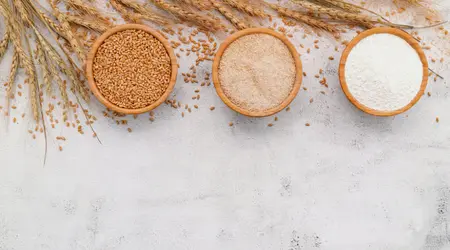
The technique of "first in, first out" (FIFO) It is essential to ensure that we consume the grains and flours within the ideal period.
This prevents us from leaving older products forgotten at the bottom, where they can deteriorate or become infested by pests.
In commercial environments, implementing an inventory management system can facilitate this process.
Once at home, simply organize the containers so that the newest products are behind the oldest ones.
Additionally, labeling containers with the storage date can be a useful practice.
This helps to maintain control over the freshness of products and plan consumption more efficiently.
Modern Technologies in Storage
Technology has revolutionized the storage of grains and flours, offering increasingly efficient solutions.
Humidity and temperature sensors, for example, allow real-time monitoring, alerting about possible deviations that could compromise product quality.
Additionally, automated aeration systems help maintain ideal conditions inside the silos.
Another innovation is the use of a controlled atmosphere, where we adjust the levels of oxygen, carbon dioxide and nitrogen to inhibit the development of pests and microorganisms.
Although these technologies are more common on a large scale, there are already adaptable solutions for small producers and even for domestic use.
Investing in technology can not only increase efficiency but also reduce food waste.
With proper monitoring, it is possible to act quickly in case of problems, ensuring the quality of the stored products.
See too: Different ices for drinks: Boost your drink!
Practical Tips for Everyday Life
- Hygiene: Before storing new grains or flours, thoroughly clean the area and containers to remove residues that could attract pests.
- Labeling: Label containers with the storage date to facilitate inventory management.
- Regular Inspection: Periodically check products for signs of moisture or infestation.
- Use of Moisture Absorbers: In humid regions, consider using moisture absorbers in containers.
- Organization: Keep products organized by type and date, making them easy to access and view.
- Education: Always stay informed about new storage and pest control practices.
Conclusion
Storing grains and flours requires attention to details ranging from choosing the location to using modern technologies.
By controlling humidity and preventing pest infestation, it is possible to preserve the quality of these products for long periods, avoiding waste and ensuring food safety.
With the practices and techniques presented in this article, you will be prepared to face these challenges efficiently and sustainably.
Investing in a good storage system is not only a matter of economy, but also of health.
After all, well-preserved grains and flours are the basis of a nutritious and safe diet.
Additionally, raising awareness about the importance of proper storage can contribute to a healthier and more sustainable lifestyle.
By following the tips and techniques discussed, you will not only be preserving your food, but also promoting more conscious and responsible eating.