
How to Make Fresh Pasta at Home: Step by Step for Beginners

Making fresh pasta at home is an experience that combines tradition, flavor and satisfaction.
Adverts
Far from being a challenge exclusive to professional chefs, this practice can be mastered by anyone willing to learn.
With simple ingredients and a little patience, you can turn flour, eggs, and salt into a memorable meal.
This guide will show you, in a clear and detailed way, how to create your own fresh pasta, even if you've never made it before.
Plus, making fresh pasta at home allows you to customize your dishes to your preferences.
Adverts
You can experiment with different types of flour, add herbs or spices to the dough and create unique combinations.
Why is it worth making fresh pasta at home?
Home cooking has been gaining more and more ground, especially after the increased interest in culinary hobbies during the pandemic.
According to a survey by the Brazilian Association of Pasta Industries (ABIMA), 671% of Brazilians have started cooking more at home in recent years.
Making fresh pasta at home not only guarantees superior flavor, but also allows you to control the ingredients, avoiding additives and preservatives present in industrialized versions.
Furthermore, the process of preparing the dough is therapeutic.
Kneading, stretching and cutting dough can be a way to relax and connect with food on a deeper level.
And of course, there's the pride of serving a dish made completely from scratch.
This connection with cooking can also be an opportunity to teach new generations about family traditions.
Involving children or young people in the dough-making process can create lasting memories and a love of cooking.
+ World Pasta Day: Learn the History and Some Recipes
Essential Ingredients for Making Fresh Pasta
Before you begin, it's important to gather the right ingredients.
Simplicity is key here:
| Ingredient | Amount | Observation |
|---|---|---|
| Wheat flour | 2 cups | Prefer type 00 if possible |
| Eggs | 3 units | Fresh and at room temperature |
| salt | 1 pinch | To enhance the flavor |
| Water (optional) | 1-2 tablespoons | Only if the dough is very dry |
Type 00 flour, common in Italy, is ideal because of its low gluten content, but regular wheat flour also works well.
Additionally, you can try adding ingredients like turmeric or beetroot to the dough for color and flavor.
These additions not only make the pasta more appealing, but can also increase its nutritional value.
Equipment You Will Need
You don't need to invest in expensive equipment to make fresh pasta at home.
A rolling pin and a smooth surface are enough.
However, if you want to make the process easier, a pasta machine can be a good purchase.
Other useful items include:
- Spatula or knife to cut the dough
- Clean dish towel to cover the dough while it rests
- A large board to work with
In addition to these basic items, you might consider using pastry cutters to create different shapes.
These accessories can make the experience more fun and help present visually appealing dishes.
Step by Step Guide to Making Fresh Pasta at Home
1. Prepare the Work Surface
Start by cleaning and thoroughly drying the surface you are going to work on.
Sprinkle a little flour to prevent the dough from sticking.
2. Mix the Ingredients
Make a mound with the flour and make a hole in the center (like a volcano).
Break the eggs into this hole and add the salt.
Using a fork, beat the eggs lightly and gradually begin to incorporate the flour.
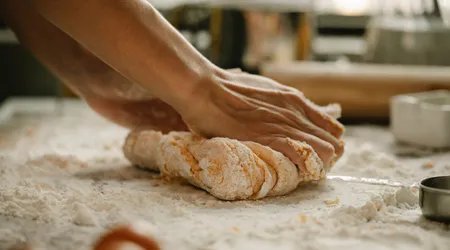
3. Knead the Dough
When the mixture is firm, start kneading it with your hands for about 10 minutes.
The dough should be smooth and elastic.
If it's too dry, add a spoonful of water; if it's sticky, sprinkle more flour.
4. Let the Dough Rest
Wrap the dough in a clean cloth and let it rest for 30 minutes.
This process allows the gluten to relax, making it easier to stretch.
5. Stretch and Cut
Use a rolling pin to roll out the dough until it reaches the desired thickness.
For pasta like tagliatelle or fettuccine, cut thin strips with a knife or use the pasta machine's cutting attachment.
6. Cook and Serve
Cook the pasta in boiling salted water for 2-3 minutes.
Since fresh pasta cooks quickly, be careful not to overcook it.
Additionally, you can experiment with different sauces and toppings to enhance the flavor of the pasta.
A simple olive oil and garlic dressing can transform a basic dish into a delicious meal.
Tips for Perfect Pasta
- Temperature of Ingredients: Room temperature eggs incorporate better into the flour.
- Dough Thickness: For stuffed pasta, such as ravioli, make it thinner; for tagliatelle, a little thicker.
- Storage: If not using immediately, dust the dough with flour and store in the refrigerator for up to 2 days.
Another important tip is to always taste the dough while cooking.
This will help you find the sweet spot of doneness and ensure the texture is perfect.

Cooking Times Table
| Type of Mass | Cooking Time |
|---|---|
| Tagliatelle | 2-3 minutes |
| Ravioli | 3-4 minutes |
| Fettuccine | 2-3 minutes |
Common Mistakes and How to Avoid Them
- Dough Too Dry or Sticky: Adjust the amount of flour or water during the process.
- Don't Let It Rest: Skipping this step may result in dough that is difficult to roll out.
- Overcooking: Fresh pasta cooks quickly; be careful not to lose its al dente consistency.
Also, it's important not to get discouraged if your first attempt doesn't come out perfect.
Therefore, practice is essential, and every mistake is a learning opportunity.
Creative Variations
Making fresh pasta at home opens up a range of possibilities.
Try adding cooked and pureed spinach to the dough for a green version, or use beets for a vibrant pink dough.
For stuffed pasta, try combinations like ricotta with spinach or pumpkin with gorgonzola cheese.
You can also explore different pasta shapes, such as farfalle or pappardelle, to diversify your meals.
However, these variations not only add flavor, but also make the presentation of the dish more interesting.
See too: Chicken lasagna: a delicious and simple recipe
Benefits of Making Fresh Pasta at Home
In addition to the incomparable flavor, making your own pasta allows you to explore your creativity in the kitchen.
You can adapt recipes for specific diets, such as using whole wheat or gluten-free flour.
Furthermore, it is an activity that can involve the whole family, creating emotional memories around food.
Making fresh pasta can also be a great way to socialize.
Inviting friends or family to participate in the process can turn the activity into a celebration.
Conclusion
Making fresh pasta at home is more than a culinary skill; it's a way to connect with gastronomic traditions and explore new flavors.
With this guide, you have all the tools to begin your journey into the art of fresh pasta.
So remember: practice makes perfect, and each attempt is a step towards mastering this ancient technique.
So, put on your apron, gather your ingredients and start creating your own fresh pasta today!
Also, don't hesitate to share your creations with friends and family.
Ultimately, cooking is an art form that is even more rewarding when shared.