
World Pasta Day: Learn the History and Some Recipes
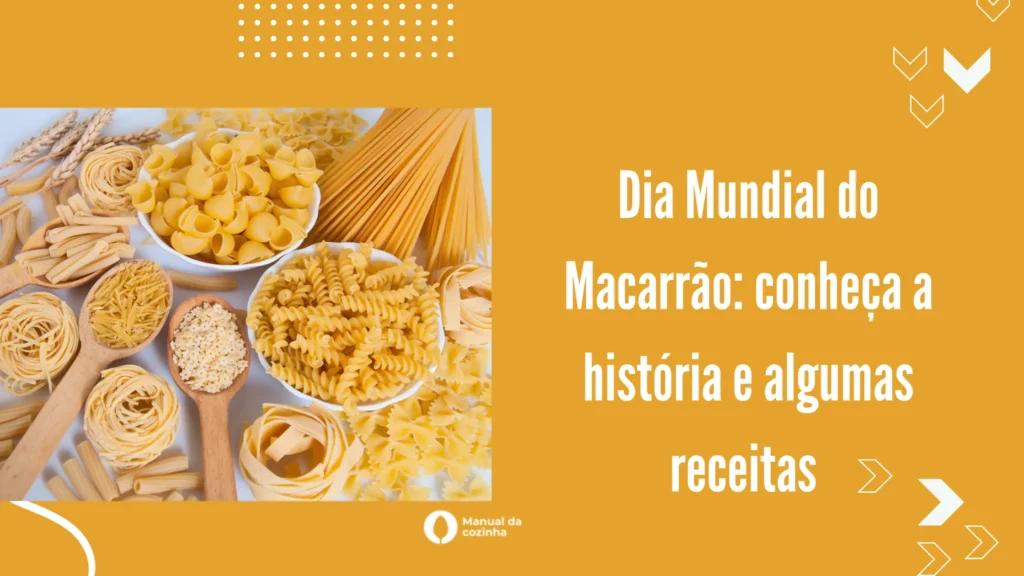
Today is World Pasta Day, learn about the history of this traditional food on tables around the world and some recipes!
Adverts
Find out more below:
++ How to make a delicious sardine pie? Learn now!
World Pasta Day
O World Pasta Day is a date dedicated to celebrating one of the most beloved and versatile foods in the world.
Celebrated on October 25, the day is a great opportunity to explore the rich history of pasta and try new recipes that go beyond the traditional spaghetti bolognese.
Adverts
Pasta transcends cultural and culinary boundaries, being adapted to recipes ranging from simple to sophisticated.
But do you know how this dish arrived on our tables?
Let's understand a little more about the history and some unmissable recipes to celebrate the date.
The Origin of Pasta: Mysteries and Curiosities
The origin of pasta is a topic that sparks much discussion among gastronomic historians.
While many associate the invention of pasta with the Italians, there is evidence that it was consumed more than 4,000 years ago in China.
According to this hypothesis, the Venetian merchant Marco Polo would have taken the food from Asia to Europe in the 13th century.
However, there are records that show that the Etruscans and Romans had already been preparing something similar in Europe for much longer.
This theory is supported by archaeological findings.
For example, such as the rudimentary pasta tools found in Roman excavations, suggesting that the concept of pasta was already present in European culture.
However, what consolidated pasta as a symbol of Italian cuisine was its large-scale production.
During the Renaissance, pasta became widely consumed, and over time different formats emerged to please all palates.
In Naples, dried pasta began to be mass-produced, creating a tradition that spread throughout the country and the world.
Furthermore, Italian immigration in the 19th century helped spread pasta to other countries, especially in the Americas, where it was soon incorporated into various local cultures.
The term “pasta” derives from the Latin maccare, which means to knead, representing well the process of preparing the dough.
Today, pasta can be found in more than 600 different shapes, each with its own function and texture ideal for different types of sauces.
Celebrate the World Pasta Day It is, therefore, also a tribute to this historical journey, which transformed a simple food into a dish with infinite possibilities.
++ Homemade Vegetable Cheese: Check Out Some Delicious Recipes!
World Pasta Day: How Pasta Conquered the World
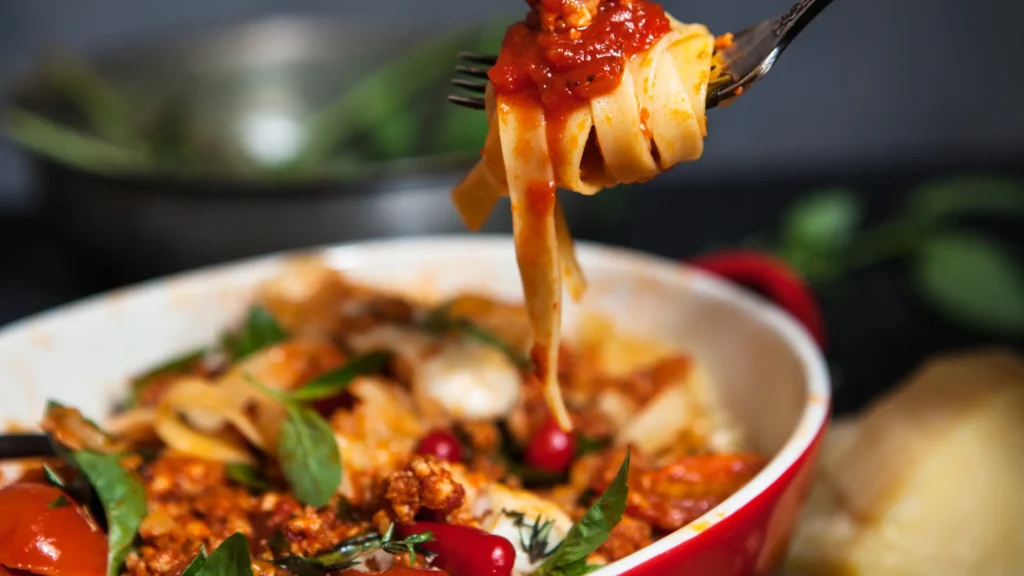
The success of pasta is no coincidence, but rather a combination of flavor, practicality and adaptability.
In Italy, pasta has gained a unique identity, with each region developing its own version of the dish, such as spaghetti in Sicily, tortellini in Bologna and the famous fettuccine in Rome.
The simplicity of the dough, basically flour and water, allowed it to be combined with local ingredients, resulting in tasty and nutritious dishes.
Over the years, Italy has created a true cult around pasta, resulting in countless recipes and ways of preparing it.
In Japan, a local version of noodles has gained popularity in the form of udon and of the soba, pasta made with wheat flour and buckwheat flour, respectively.
These dishes are traditionally served in soups, highlighting the umami flavor typical of oriental cuisine.
In Mexico, the noodles, a type of thin pasta, is widely consumed in dishes such as sopa de fideo, which is a Mexican classic.
In every corner of the world, we find a cultural adaptation of pasta, highlighting how this food easily adapts to local preferences.
The expansion of noodles to the West contributed to the creation of new dishes, such as the classic mac and cheese in the United States and yakisoba in Brazil, which mixes Chinese and Brazilian influences.
These adaptations show how pasta is a “blank canvas” that allows different cultures to add their own flavors and ingredients.
This versatility makes pasta a universal food, winning over palates of all ages and nationalities.
Recipes to Celebrate World Pasta Day
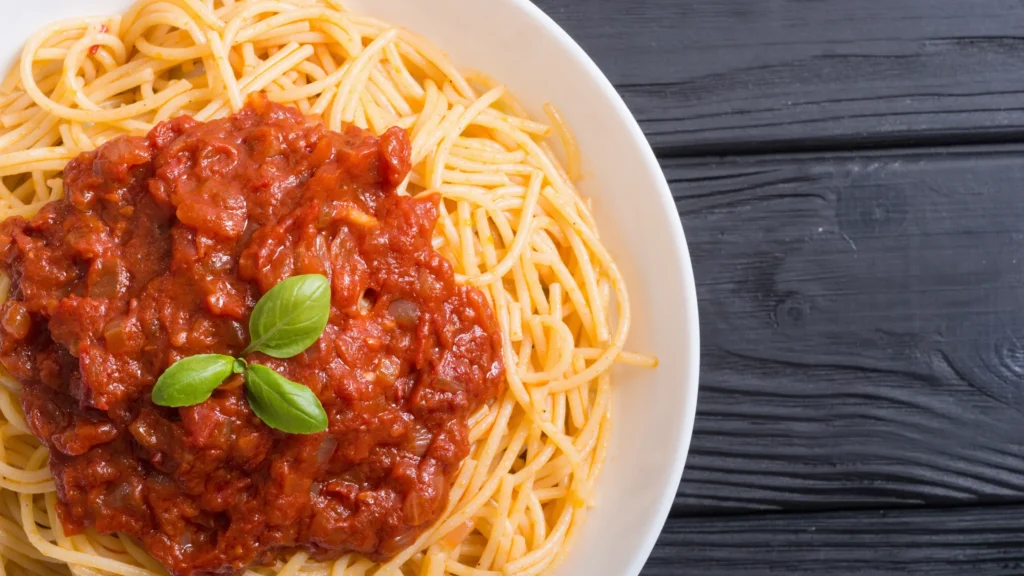
To celebrate the World Pasta Day With flavor and creativity, we have brought some recipes that will please all tastes.
The first suggestion is a spaghetti carbonara, an Italian classic made with just a few ingredients: eggs, parmesan cheese, pancetta and black pepper.
The secret to this recipe is mixing the ingredients correctly to create a creamy, flavorful sauce that coats the pasta.
The touch of black pepper adds the necessary spice without overshadowing the other ingredients.
Another special recipe is the pasta with pesto sauce.
Originating from the Genoa region of Italy, pesto is made with fresh basil, olive oil, parmesan cheese, garlic and pine nuts.
This sauce is ideal for short pastas, such as penne and fusilli, as it adheres well to the texture of the pasta.
In addition to being delicious, pesto is a refreshing and light option, ideal for hotter days and perfect for a quick meal.
For those looking for a bolder option, the oriental style noodles with shrimp It is a sophisticated and flavorful choice.
The dish is made with rice noodles and is accompanied by soy sauce, ginger and garlic.
The slightly spicy and exotic flavor of ginger, combined with the juiciness of the shrimp, makes this recipe a unique experience.
Celebrate the World Pasta Day It is also an opportunity to expand horizons and try new combinations.
+ Learn how to make a delicious banana oat cake now
Recipe Table: Preparation Time and Calories
| Revenue | Main Ingredients | Preparation Time | Calories per Serving |
|---|---|---|---|
| Spaghetti Carbonara | Spaghetti, eggs, parmesan cheese, pancetta | 20 minutes | 570 kcal |
| Pasta with Pesto Sauce | Basil, olive oil, parmesan cheese, pine nuts | 15 minutes | 350 kcal |
| Oriental Style Noodles with Shrimp | Rice noodles, shrimp, soy sauce, ginger | 30 minutes | 400 kcal |
Interesting Facts About Pasta Consumption Around the World
Pasta consumption is gigantic and, not surprisingly, led by Italy.
On average, an Italian consumes around 23 kg of pasta per year, almost three times more than the world average.
The Italian passion for pasta is so great that the country is responsible for approximately a quarter of the world's production.
In the United States, pasta consumption is also high, and the classic mac and cheese is one of the most popular dishes among children and adults.
Brazil, although it is one of the largest consumers of rice and beans, also has a special place for pasta.
The traditional Sunday “macarronada” is a custom in many families, who prepare the dish with tomato sauce and meat.
Furthermore, Brazilian yakisoba, popularized by the influences of Japanese immigration, is a variation that brings an oriental touch to the dish, showcasing the diversity of national cuisine.
In Asia, noodle dishes are as varied as the region's cultures.
In China, the me and the chow mein are two of the best known dishes.
The first is more succulent, with a sauce that mixes with the pasta, while the second is drier and has a crunchy texture.
In Japan, in addition to udon and soba, ramen is extremely popular, being consumed in different variations, from light broths to thicker, full-bodied soups.
How World Pasta Day is Celebrated Around the World
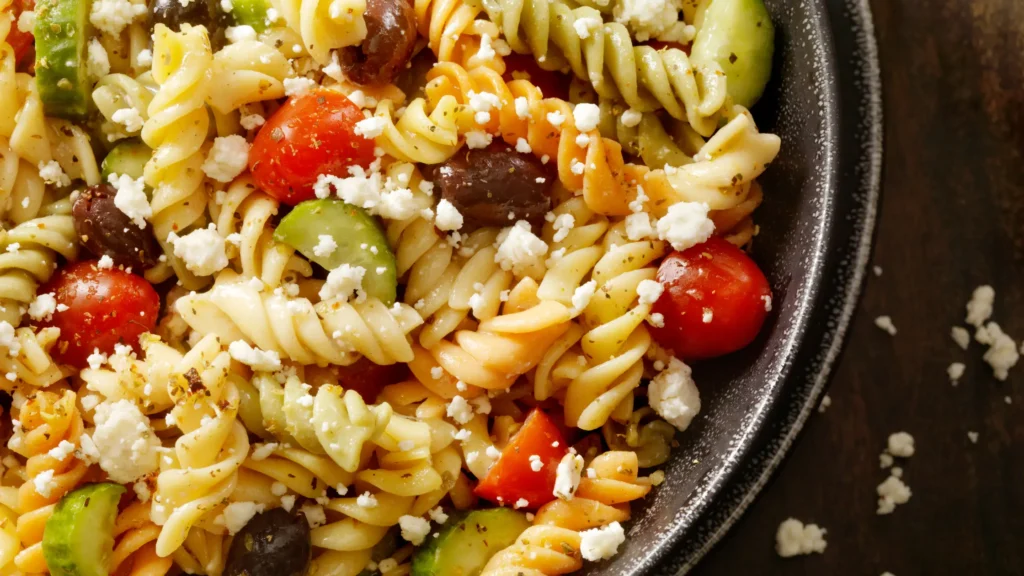
World Pasta Day was established in 1995, in Rome, during the first World Pasta Congress.
Since then, October 25th has been celebrated with festivals, contests and events that promote the love of pasta.
In Italy, several cities offer free tastings, recipe competitions and lectures on artisanal pasta production.
This day is an opportunity for local producers to showcase their creations and for tourists to experience authentic flavors.
In the United States, World Pasta Day is celebrated with events that highlight the different recipes and styles of pasta found in the country.
Restaurants offer special promotions and many Americans take advantage of the date to try new recipes.
Additionally, several awareness campaigns about the nutritional value of pasta are carried out, highlighting how it can be a healthy part of a balanced diet.
In Brazil, some pasta brands also promote World Pasta Day with recipes and discounts.
In São Paulo, it is common to find pasta festivals, where renowned chefs present exclusive dishes.
This date is a great time to try out recipes that are out of the ordinary and immerse yourself in the rich gastronomic culture of pasta.
Pasta and Health: Myths and Truths
Despite its popularity, pasta often faces questions about its nutritional contribution.
Many people believe that it makes you fat or that it is “poor” in nutrients, but this is not entirely true.
Pasta is mostly a source of complex carbohydrates, which provide the body with constant energy.
When consumed in moderation and accompanied by proteins and vegetables, pasta can be part of a balanced and nutritious diet.
Another myth is that gluten-free pasta is necessarily healthier.
This version is recommended for people with celiac disease or gluten intolerance.
However, there are no conclusive studies that indicate that gluten-free pasta offers more health benefits than traditional pasta.
Additionally, whole-grain pasta is a higher-fiber option and helps increase the feeling of fullness, which can be beneficial for those seeking a balanced diet.
Finally, for those concerned about the glycemic index of pasta, the good news is that adding vegetables and protein helps to decrease the body's absorption of sugar.
For many, pasta is seen as a villain, but with the right combinations it can be a complete and healthy meal.
+ Vanilla Cake Recipe: The Secret to the Perfect Cake!
Comparative Nutritional Table
| Type of Pasta | Calories (per 100g) | Carbohydrates | Fibers | Proteins |
|---|---|---|---|---|
| Traditional Pasta | 371 kcal | 75 g | 3 g | 12 g |
| Wholemeal Pasta | 349 kcal | 72 g | 6 g | 14 g |
| Gluten Free Pasta | 362 kcal | 77 g | 4 g | 8 g |
Conclusion
Celebrate the World Pasta Day It’s a great way to pay homage to a food that has accompanied humanity for thousands of years.
Whether in an Italian, Asian or Brazilian version, pasta continues to reinvent itself, pleasing palates around the world.
By trying different recipes and understanding more about their history, we can see how a seemingly simple dish carries a rich history and an unparalleled flavor.
So, prepare a good recipe and take advantage of this date to celebrate the flavor and tradition of pasta!