
The Best Foods to Improve Digestion and Increase Energy
Now, in this article, see in detail the best foods to improve digestion and increase body energy!
Adverts
Taking care of your digestion is essential for physical and mental well-being, and nutrition plays a key role in this process.
A diet focused on foods to improve digestion and increase energy not only contributes to healthy gut function.
But, it also promotes a more efficient digestive system and a more energized body.
In this article, we will discuss the main foods that aid digestion and provide energy, analyzing each of them and highlighting their main health benefits.
Adverts
See below:
++Functional foods: What are they and how do they benefit your health?
1. Fiber: The Foundation for a Healthy Digestive System
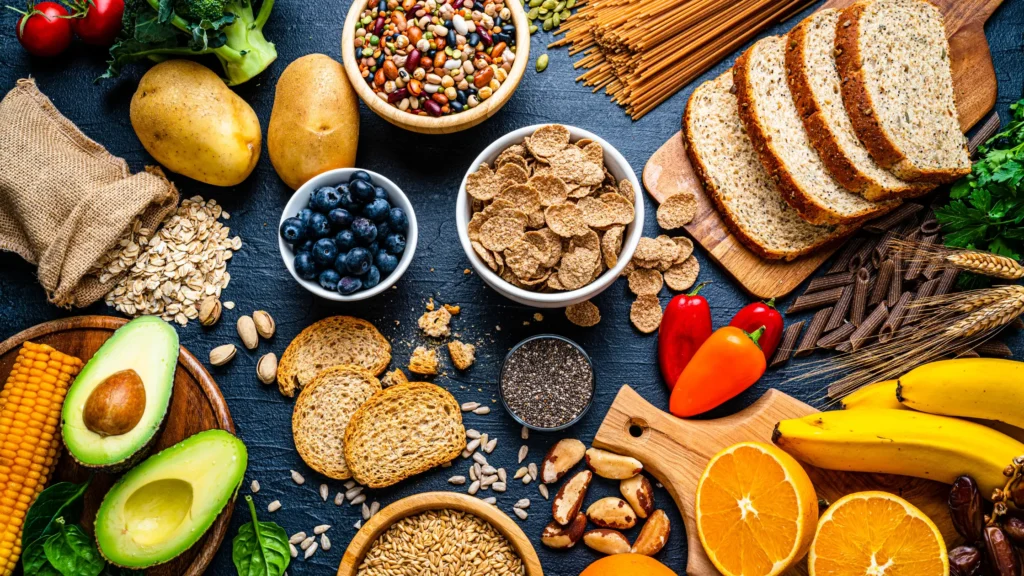
Fiber is essential for proper digestion, helping with bowel movement and eliminating toxins.
They are present in foods such as fruits, vegetables, legumes and whole grains.
Which not only aid in digestion but also keep energy levels balanced.
Fiber comes in two types: soluble, which attracts water and forms a gel-like substance, and insoluble, which adds bulk to the stool, making it easier to pass through the digestive system.
One of the great benefits of fiber is its role in regulating blood sugar, which prevents energy spikes followed by fatigue.
When you consume foods rich in fiber, such as oats, apples and vegetables, your body releases energy more gradually.
This way, keeping the body active and focused for longer.
Additionally, soluble fiber helps feed the beneficial bacteria in your gut, which contributes to more efficient digestion and a stronger immune response.
Table of Foods Rich in Fiber and Digestive Benefits
| Food | Fiber Type | Digestive Benefit |
|---|---|---|
| Oat | Soluble | Improves digestion and controls cholesterol |
| Litter | Soluble | Regulates blood sugar and improves intestinal transit |
| Lentil | Insoluble and Soluble | Increases fecal volume and promotes satiety |
2. Foods to improve digestion: Probiotics
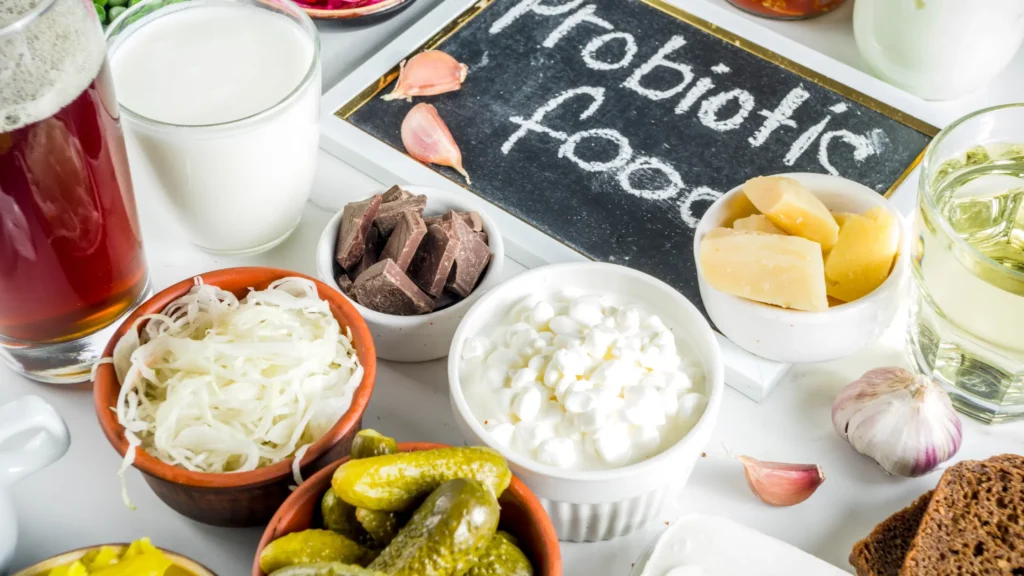
Probiotics are live microorganisms that promote healthy intestinal flora, essential for effective digestion.
These “good bacteria” are found in foods such as natural yogurt, kefir, kombucha and other fermented foods.
By improving the balance of the intestinal microbiota, probiotics not only facilitate digestion.
But they also help with the absorption of nutrients and the production of important vitamins, such as B12.
Studies show that regular consumption of probiotic foods can reduce problems such as constipation.
As well as bloating and gas, in addition to increasing energy due to more efficient absorption of nutrients.
Another positive point of probiotics is that they help reduce intestinal inflammation, something that often affects mood and general health.
A healthy intestinal flora allows the body to work better, which is directly reflected in energy levels throughout the day.
Table of Probiotic Foods and Their Functions
| Food | Probiotic | Digestive Function |
|---|---|---|
| Natural Yogurt | Lactobacillus | Boosts gut health and reduces bloating |
| Kefir | Bifidobacterium | Improves digestion and strengthens immunity |
| Sauerkraut | Lactobacillus | Facilitates intestinal transit and combats gas |
+ Mouthwatering stuffed zucchini recipe
3. Foods to improve digestion: Prebiotics

Prebiotics are fibers that feed probiotic bacteria, promoting their development and contributing to a healthy microbiota.
Foods like garlic, onions, bananas, and asparagus are rich in prebiotics, making them essential for a diet aimed at improving digestion.
The combination of probiotics and prebiotics is often called symbiosis, due to their joint positive effect on the intestine.
Prebiotics also improve the absorption of minerals such as calcium and magnesium, which directly impacts energy levels and bone health.
Additionally, they help in the production of short-chain fatty acids, compounds that are quickly used as an energy source.
Therefore, by including prebiotics in your diet, you benefit both digestive function and increased energy.
Table of Prebiotic Foods and Their Benefits
| Food | Type of Prebiotic | Digestive Benefit |
|---|---|---|
| Garlic | Inulin | Improves the balance of the microbiota |
| Banana | Fructooligosaccharides | Facilitates traffic and increases energy |
| Asparagus | Inulin | Strengthens immunity and regulates digestion |
4. Energy-rich and easily digestible foods
In addition to foods rich in fiber, probiotics and prebiotics, there are foods that are naturally energetic and, at the same time, easy to digest.
Fruits such as bananas, apples and berries are classic examples, as they provide simple carbohydrates.
As well as the vitamins and minerals that the body absorbs quickly, ensuring an almost immediate energy boost.
Bananas, for example, contain potassium and vitamin B6, which help in the production of cellular energy.
Another option is oilseeds, such as walnuts and almonds, which provide healthy fats and proteins, being good sources of long-lasting energy.
Furthermore, the fiber content of oilseeds also contributes to more efficient digestion and prolonged satiety.
Together, these foods are great allies for those who want to stay energized without overloading their digestive system.
Table of Energy-Rich and Easily Digestible Foods
| Food | Energy Nutrient | Digestive Benefit |
|---|---|---|
| Banana | Potassium and B6 | Quick energy and easy digestion |
| Litter | Fiber and Vitamin C | Facilitates transit and provides antioxidants |
| Almonds | Healthy fats | Long-lasting energy and satiety |
++ Homemade Vegetable Cheese: Check Out Some Delicious Recipes!
5. Water and Natural Hydrators for Digestion and Energy

Hydration is essential for both digestion and mood.
Water plays a crucial role in digestive function, helping to break down and move food through the gastrointestinal tract.
Drinking water regularly throughout the day prevents problems such as constipation and dry stools, facilitating intestinal transit and the elimination of toxins.
In addition to pure water, natural liquids such as coconut water, herbal teas and natural juices (without added sugar) are good options for hydration.
Coconut water, for example, is rich in electrolytes, which help replace lost minerals and provide energy quickly and efficiently.
Ginger tea aids digestion and reduces the feeling of bloating after meals.
Hydrating Drinks Table and Their Benefits
| Drink | Nutrients | Digestive and Energy Benefits |
|---|---|---|
| Water | None (essential) | Facilitates transit and hydrates cells |
| Coconut Water | Electrolytes | Replenishes minerals and improves mood |
| Ginger Tea | Gingerol | Aids digestion and combats bloating |
Foods to Improve Digestion: Final Considerations
Investing in foods to improve digestion is essential for a healthy and energetically balanced life.
Fiber, probiotics, prebiotics and easily digestible energy foods are fundamental pillars for a diet that favors the digestive system and keeps the body active throughout the day.
By including a variety of functional foods, you not only promote efficient digestion.
But it also guarantees stable energy levels, which make all the difference in everyday life.
In short, remember that balance and variety are key.
Therefore, whenever possible, consult a nutritionist to adapt these suggestions to your lifestyle.
See also: Cornstarch: What it is and some recipes