
Cornstarch: What it is and some recipes
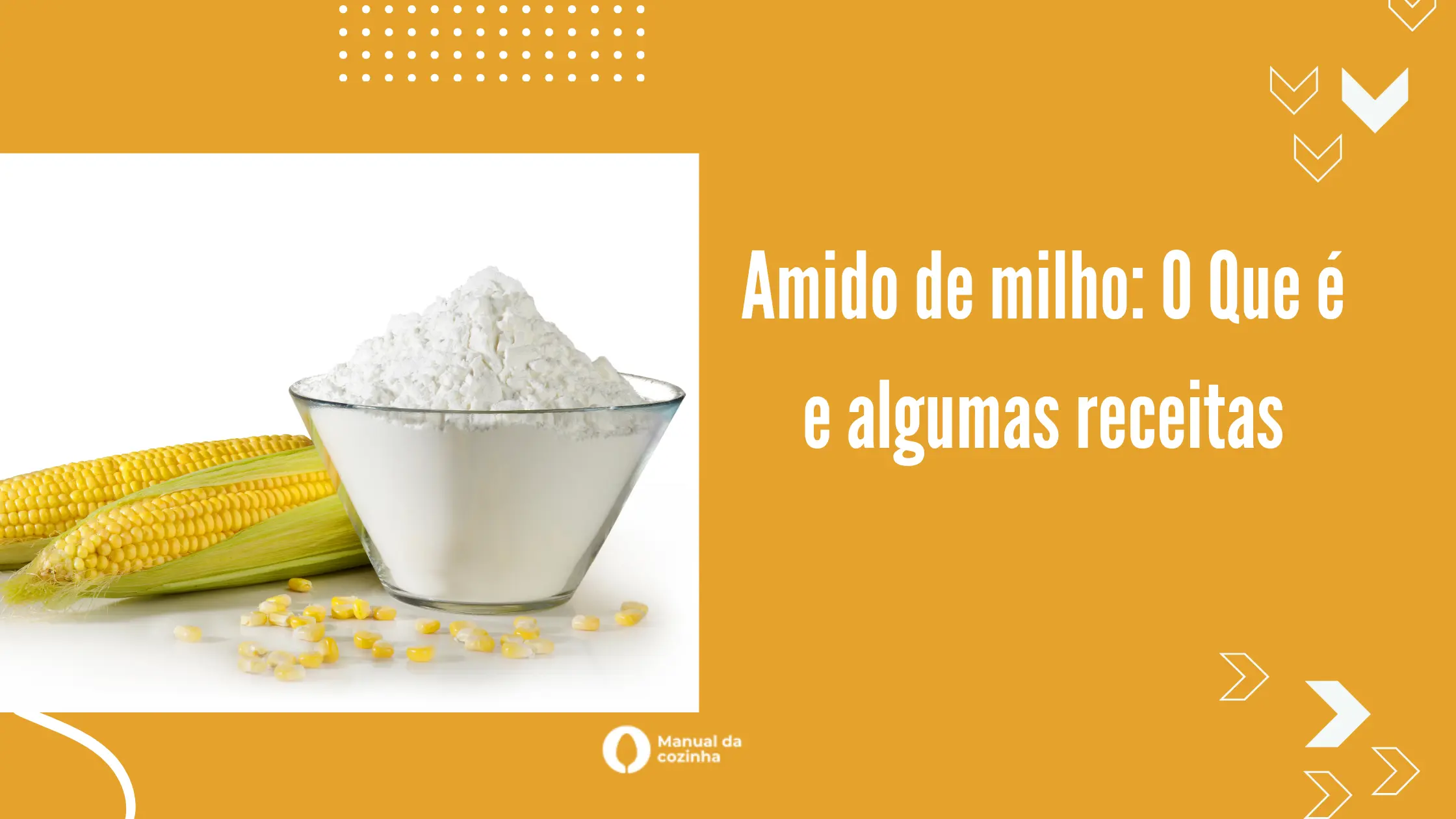
Now learn a little about the corn starch, get to know its characteristics and also learn two recipes that you can make at home!
Adverts
Cornstarch is a versatile ingredient and widely used in cooking, but few know its true origin and its many uses.
In short, extracted from corn, it is basically composed of carbohydrates and has an important characteristic.
Furthermore, it is completely gluten-free, which makes it an excellent option for restrictive diets. Its main role in the kitchen is to act as a thickener, but its application goes much further than that.
In this article, we will explore what cornstarch is, its benefits and provide some recipes that exemplify its flexibility and practicality.
Adverts
Find out more below:
++ Benefits of raisins and some delicious recipes
What is Cornstarch?
Cornstarch, also known as Maizena, is a substance extracted from the endosperm of the corn grain.
In this sense, during the extraction process, the corn goes through a series of stages that include the separation of the oil.
As well as proteins and fibers, leaving only pure starch.
This starch, when dried and refined, turns into a white, fine, light powder.
In short, the absence of flavor and odor makes it a perfect ally in several recipes without altering the original taste of the dishes.
One of the most interesting things about cornstarch is its ability to change the texture of foods.
When dissolved in cold liquids and then heated, it creates a gel that helps thicken sauces, creams and soups.
For this reason, it is commonly used in the preparation of puddings, sauces and syrups.
In addition, cornstarch is also widely used in confectionery.
Thus, replacing wheat flour in many recipes to make sweets lighter and more delicate.
In the food industry, cornstarch goes beyond home cooking.
Therefore, it is often used as a stabilizer in products such as yogurts and ice cream, and even in packaged products such as breads and cookies.
Its use is not restricted to food.
As such, it can be found in personal care products such as cosmetics and deodorants due to its moisture-absorbing properties.
| Property | Details |
|---|---|
| Origin | Corn endosperm |
| Composition | 100% carbohydrates (starch) |
| Texture | Thin, white, tasteless and odorless |
| Culinary application | Thickener, flour substitute |
| Industrial uses | Stabilizers, cosmetics, paper |
Benefits and Uses of Starch in Cooking
In addition to being a gluten-free alternative for those who suffer from intolerance or celiac disease.
Cornstarch offers a number of advantages in the kitchen.
One of its most important benefits is its ability to transform liquids into thick sauces without the need to add extra fats such as butter or cream.
This makes it an essential ingredient in diets that seek to reduce calorie consumption.
Another interesting use of cornstarch is as a partial substitute for flour in cakes, cookies and other baked goods.
By adding cornstarch to a recipe, the final texture tends to be lighter and airier.
So, something that pleases both the most refined palates and fans of homemade sweets.
Additionally, it can also be used to coat food before frying.
This way, it provides a different crunchiness without the need for a thick dough, as is the case with wheat flour.
It is worth noting that cornstarch is also very useful for preventing sugar crystallization in sweets and desserts.
When used in small amounts in syrups or frostings, it helps maintain a smooth, shiny texture.
In addition to extending the shelf life of the candy.
In recipes like brigadeiros, for example, a pinch of starch can make all the difference in the final result.
+ Choux Cream: History and recipe of this sweet treat
How to Substitute Cornstarch in Recipes
Although it is an extremely useful ingredient, there may be situations where you need to substitute cornstarch.
Whether due to allergies or the lack of the product at home.
There are several replacement options, each with its own particularities.
Wheat flour is one of the most common alternatives, but it is important to remember that it is not as potent as cornstarch.
In other words, it requires the use of a larger quantity to obtain the same thickening effect.
Another interesting substitute is potato starch, which shares many of the properties of cornstarch.
The main difference between the two is that potato starch tends to be a little more translucent when cooked.
In fact, this can be an advantage in some recipes, especially clear broths and sauces.
Additionally, arrowroot is another popular alternative, especially in gluten-free recipes, due to its similar thickening power.
For those looking for a healthier option, oat flour can also be used in some recipes.
However, it is important to consider that oats do not have the same thickening properties as cornstarch.
But, it can add extra nutritional value, like fiber and protein, that cornstarch doesn't offer.
| Substitute | Proportion in relation to cornstarch |
|---|---|
| Wheat flour | 2 tablespoons of flour to 1 tablespoon of starch |
| Potato starch | 1:1 (same proportion) |
| Arrowroot | 1:1 (same proportion) |
| Oatmeal | Adjust to taste, less thickening effect |
Delicious Recipes with Cornstarch
Now that we better understand what cornstarch is and its various uses.
In this sense, let’s look at some recipes that take advantage of this versatile ingredient.
Milk Pudding:
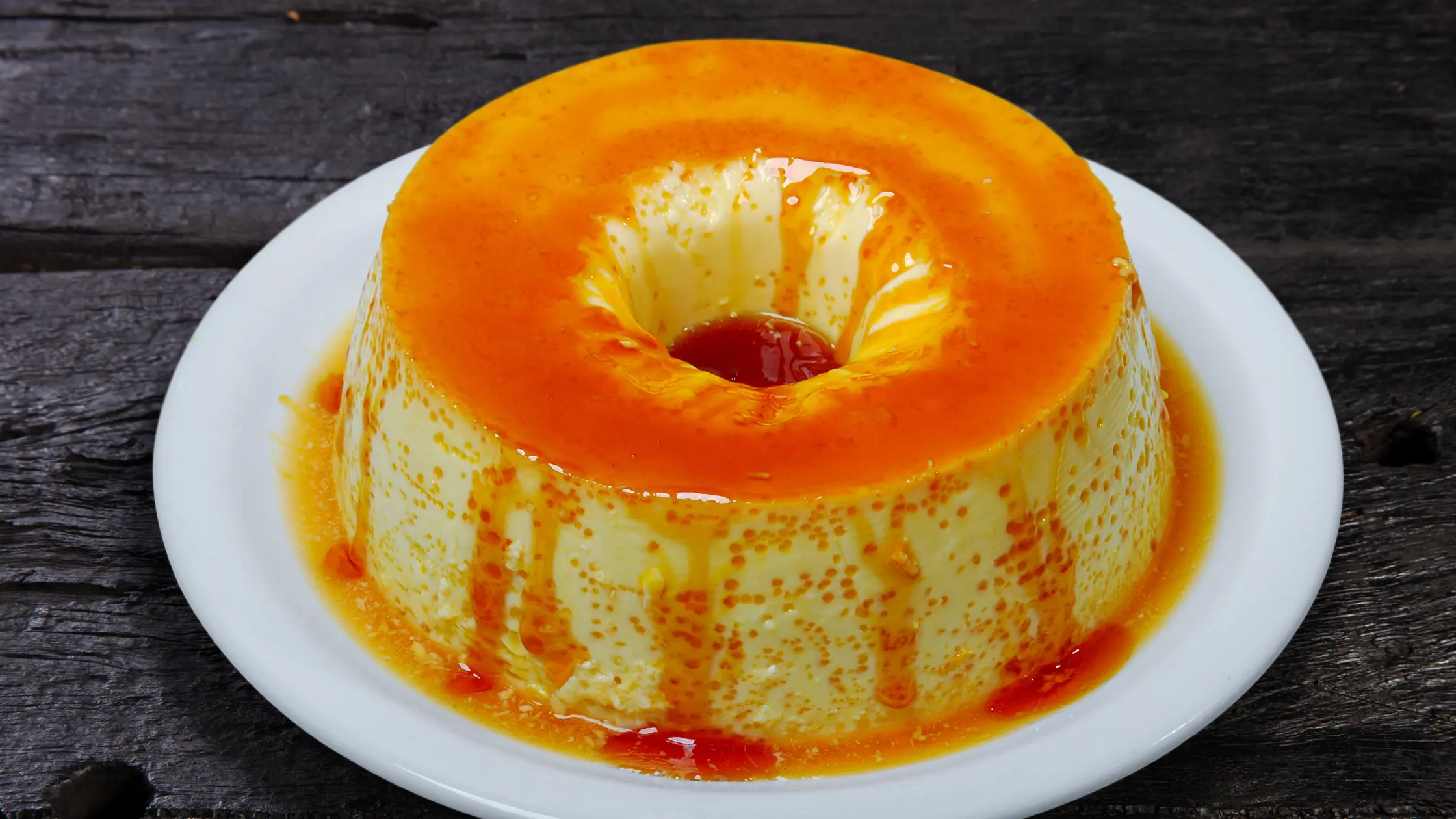
One of the most classic recipes that uses cornstarch is milk pudding.
This simple and delicious dessert stands out for the creaminess that the starch gives it.
Here, it works as a thickener, helping to give structure to the pudding without the need for eggs, making it a lighter option.
Ingredients:
- 500 ml of milk
- 4 tablespoons cornstarch
- 5 tablespoons of sugar
- 1 teaspoon of vanilla essence
Method of preparation:
- In a saucepan, mix all the ingredients until the starch is completely dissolved in the milk.
- Cook over medium heat, stirring constantly, until the mixture thickens.
- When it reaches the desired consistency, remove from the heat, pour into individual cups and let cool in the refrigerator.
Bechamel Sauce:
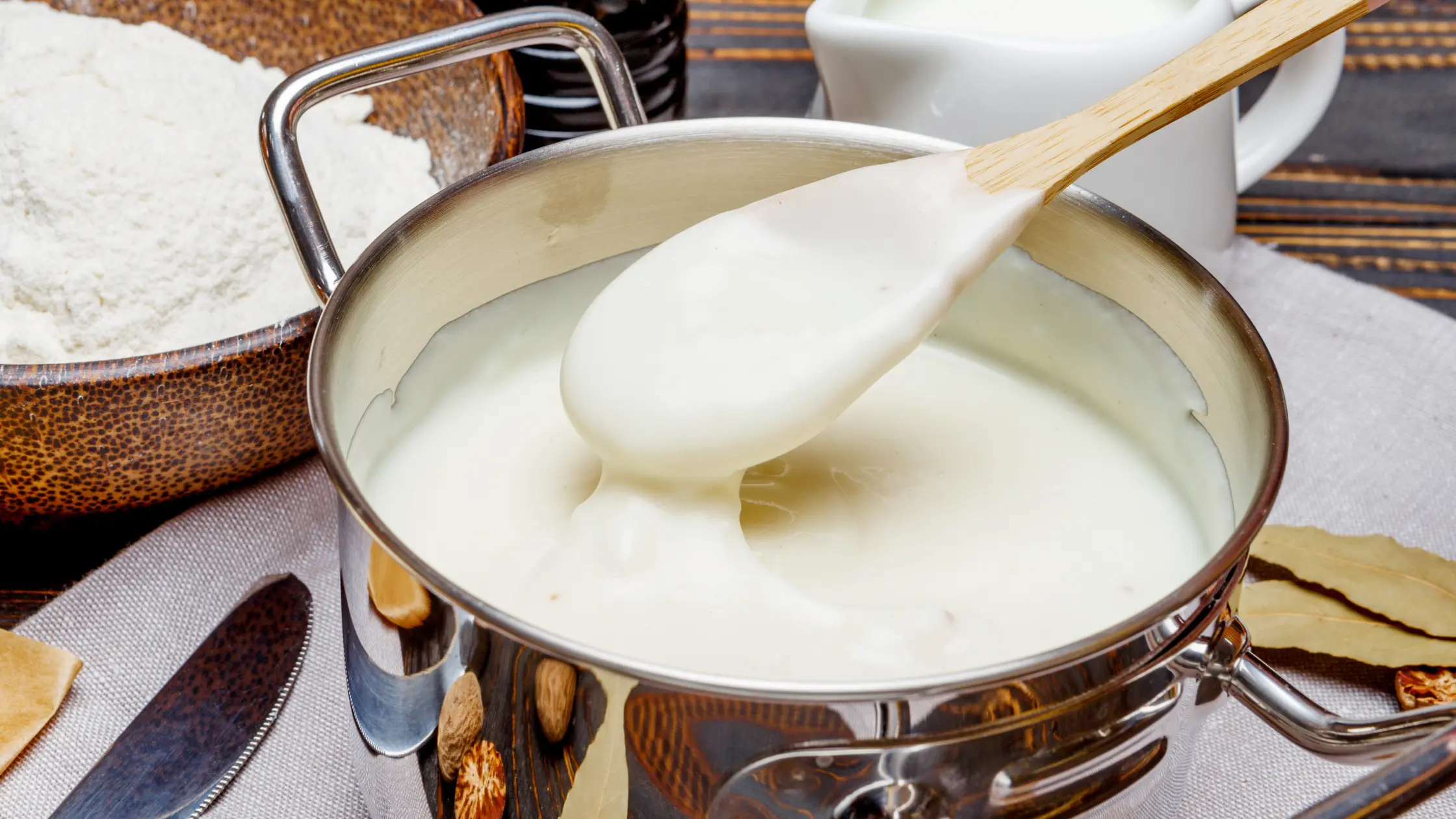
Bechamel sauce, a classic recipe in French cuisine.
Therefore, it can also be prepared with cornstarch instead of wheat flour, resulting in a gluten-free and equally tasty version.
++ Homemade hummus recipe and some other accompaniments
Ingredients:
- 2 tablespoons of butter
- 2 tablespoons cornstarch
- 500 ml of milk
- Salt, pepper and nutmeg to taste
Method of preparation:
- Melt the butter in a saucepan over low heat. Add the cornstarch and cook for 1-2 minutes, stirring constantly.
- Gradually add the milk, stirring vigorously to avoid lumps forming.
- Season with salt, pepper and nutmeg. Cook until the sauce thickens, and serve.
Final Considerations
Cornstarch is a simple ingredient, but it brings countless possibilities to the kitchen.
Whether it's to thicken broths and sauces, prepare light desserts or replace wheat flour in gluten-free recipes.
It demonstrates its versatility in various dishes.
In addition to its culinary applications, its functional properties also make it indispensable in other sectors, such as industry and cosmetics.
Exploring recipes with cornstarch is a practical and creative way to experiment with new flavors and textures.
In other words, always with the guarantee of light and well-structured results.
So next time you are thinking about a thickener or are looking for gluten alternatives.
Remember the power that cornstarch has to transform your recipes.